
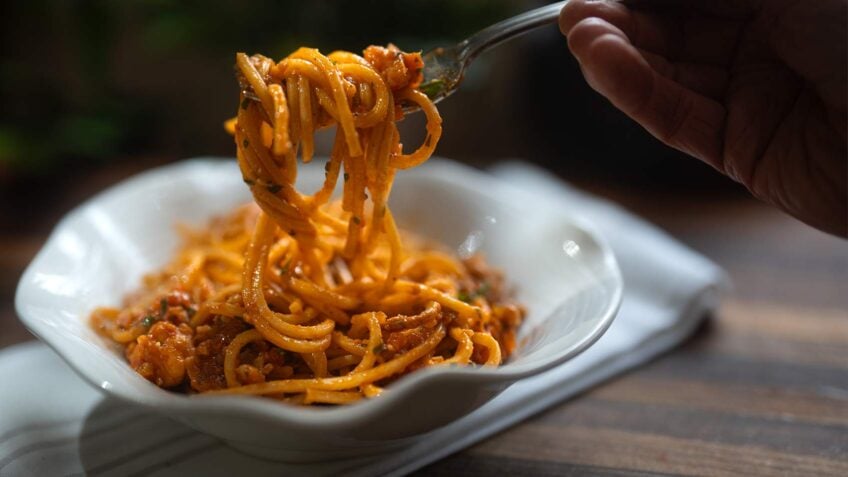
Shrimp Bolognese Spaghetti
Most people crack open a bag of shrimp, peel them and bin the shells without a second thought.
That’s the tastiest part going straight in the bin.
This recipe turns those shells into the base of a rich, deep sauce that tastes like it’s been on the stove for hours, when really it’s about an hour start to finish.
Why This Works
A proper bolognese gets its depth from meat, bones and time.
This one gets it from shrimp shells and a good sofrito, and it works just as well.
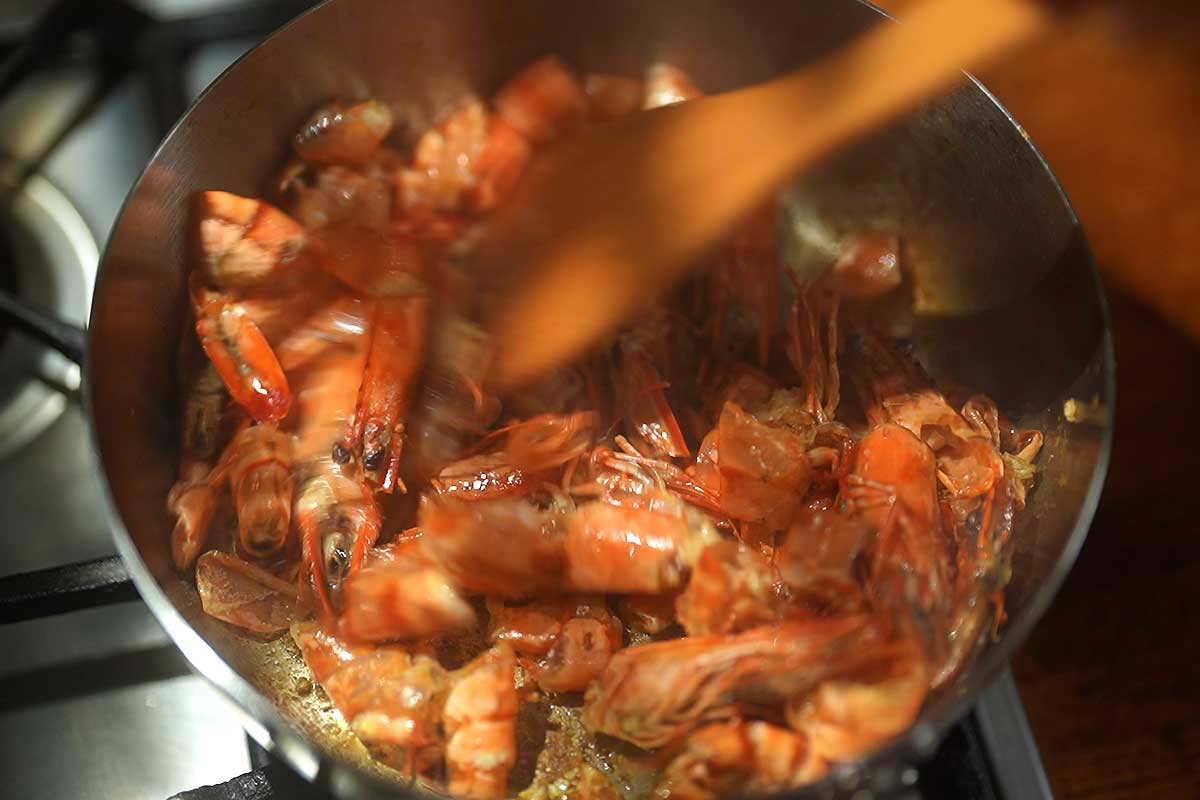
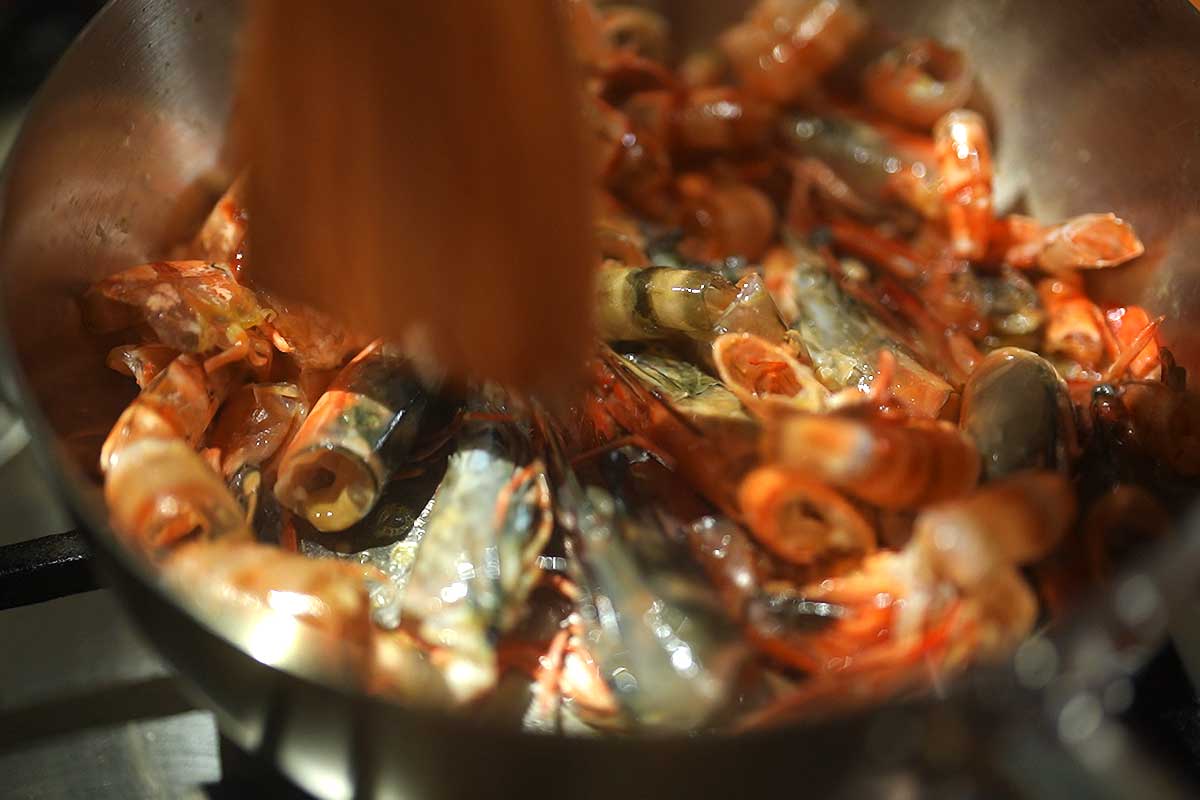
Frying the heads and shells first coaxes out all that briny sweetness hiding in there.
Simmer them in water with a bay leaf for fifteen minutes and you’ve got a stock most restaurants would charge extra for.
Two Textures, One Bite
This is the bit that separates a proper shrimp ragu from a plain shrimp pasta.
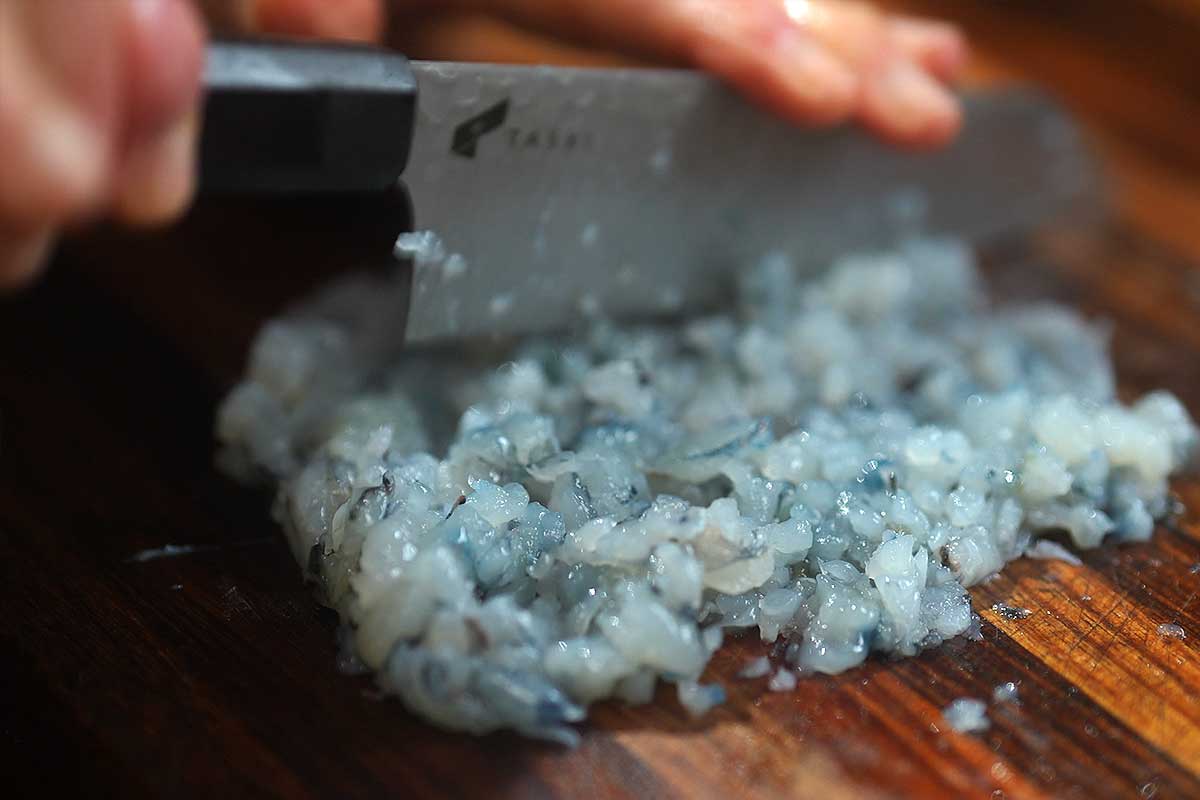
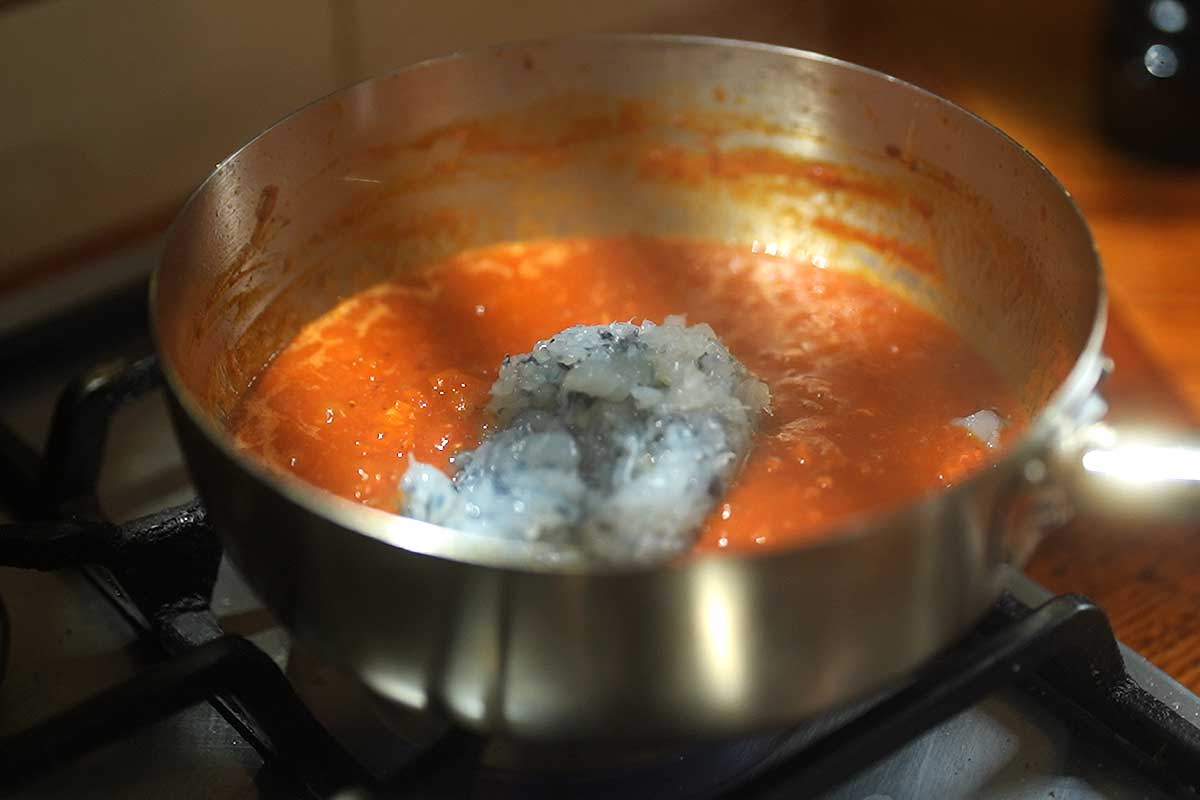
Most of the shrimp gets finely chopped until it looks like coarse mince, so it melts through the sauce the way meat would in a bolognese.
The rest gets cut into bigger pieces and added right at the end, so you still get proper bites of shrimp.
Cooking Tips
Don’t rush the sofrito. Twelve to fifteen minutes on low heat is what makes the onion, carrot and celery sweet.
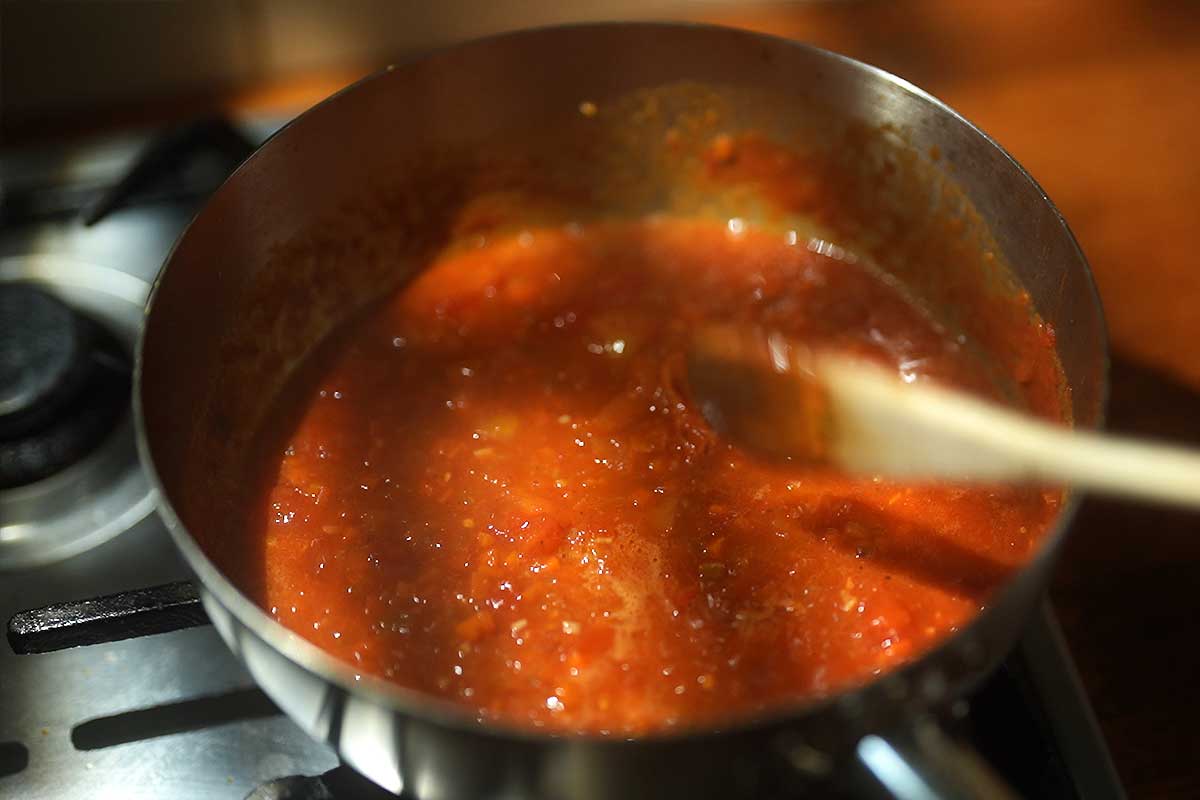
Cook the tomato paste until it turns a deep brick red before adding the wine. That’s where a lot of the flavour comes from.
Let the wine reduce almost completely before adding the tomatoes.
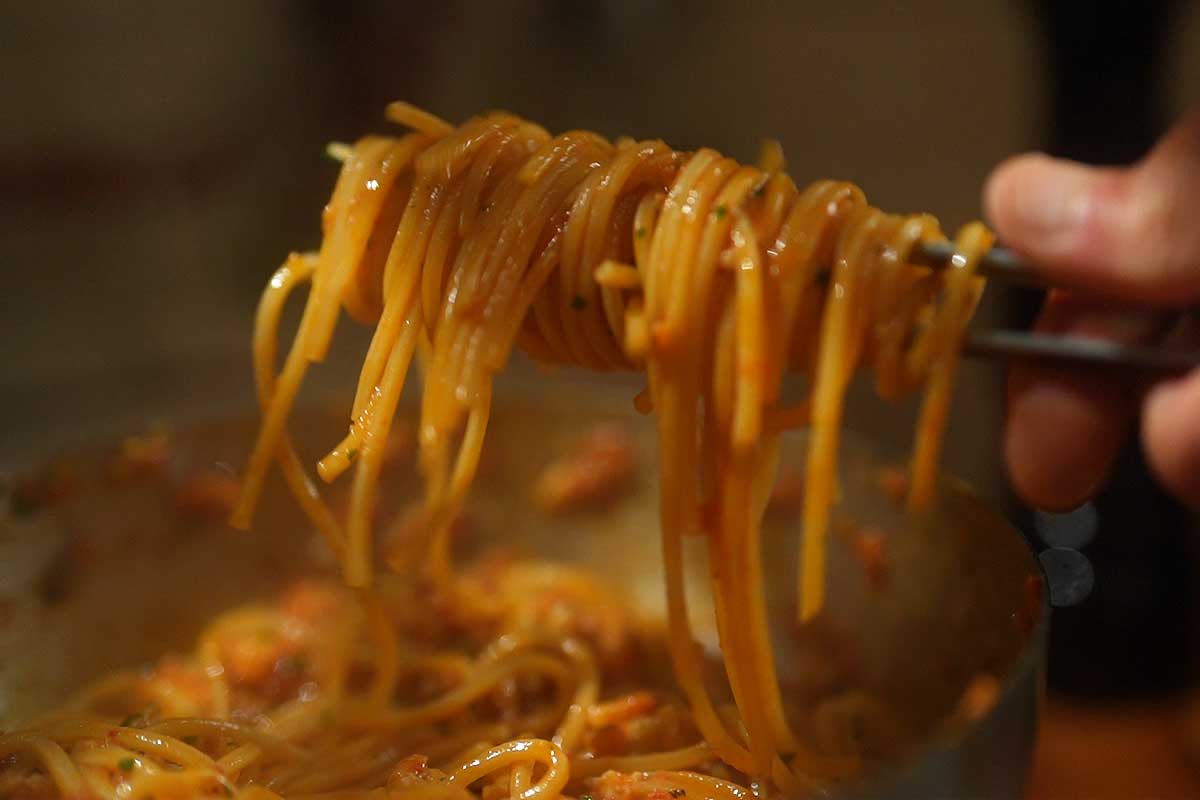
Keep back some pasta water. A splash at the end helps the sauce cling to the spaghetti.
Add the larger shrimp pieces last and only cook them a minute or two, just until opaque.
Always strain the stock through a fine sieve. You don’t want bits of shell in the finished sauce.
Ingredient Swaps
No fresh shrimp with shells on? Frozen shell-on shrimp work fine, just thaw them fully and pat dry first.
Short on time for stock? A good quality shrimp or fish stock can stand in, though you’ll lose a bit of that fresh, caramelised flavour.
Spaghetti can be swapped for linguine or tagliatelle without changing anything else.
Common Mistakes
Overcooking the shrimp. They only need a couple of minutes, any longer and they turn rubbery.
Adding all the shrimp at once. The finely chopped shrimp needs slightly longer than the bigger pieces.
Rushing the sofrito. A pale, undercooked base means a flat sauce, no matter how good your stock is.
What to Serve With It
A piece of crusty bread to mop up the extra sauce is non negotiable in my house.
A glass of the same dry white wine you cooked with does the job nicely too.
Storage
Keeps in the fridge for up to two days in an airtight container.
Reheat gently in a frying pan with a splash of water. The microwave tends to turn the shrimp rubbery.
![Spaghetti being tossed through the sauce in the pan]](https://b3067249.smushcdn.com/2.0/3067249/wp-content/uploads/2026/09/Shrimp-Bolognese-Spaghetti6.jpg?lossy=0&strip=1&webp=1)
FAQs
Can I use frozen shrimp?
Yes. Thaw fully and pat dry, and keep the shells for the stock if you can.
Can I make the sauce ahead of time?
Yes. Make it up to the point of adding the shrimp, then reheat and stir the shrimp through fresh.
Do I really need the shrimp shells?
They make a real difference to the depth of flavour, but a good store-bought shrimp stock can stand in if you’re short on time.
Is this dish spicy?
Just a hint, from an eighth of a teaspoon of chilli flakes. Add more or less to suit yourself.
What if my sauce turns out too thin?
Simmer it uncovered a little longer, or use slightly less stock next time.
Give It a Go
This is proof that shrimp shells aren’t rubbish, they’re an ingredient.
Once you taste the depth they bring to a sauce, you probably won’t throw them away again.
 By
By 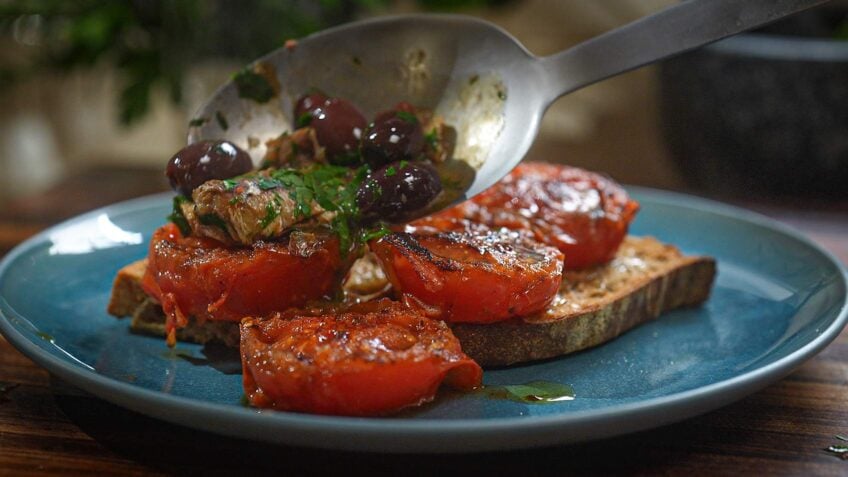
You must be logged in to post a comment