
Proper Heat, Not a Polite Version
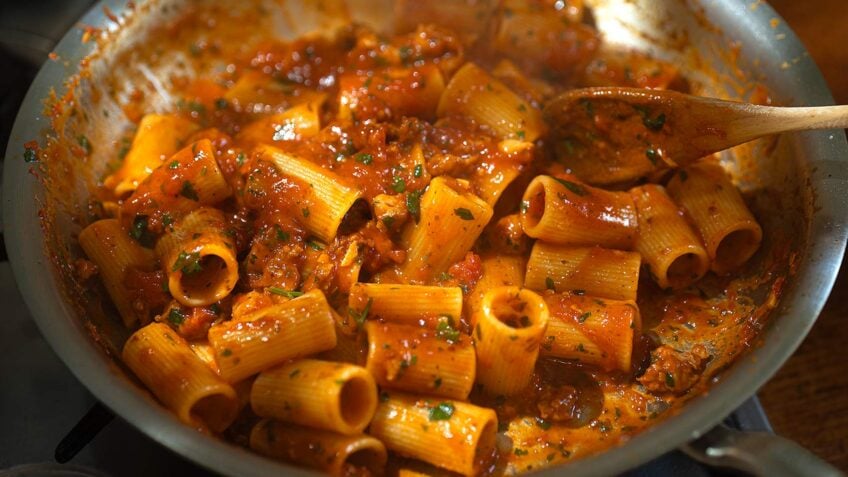
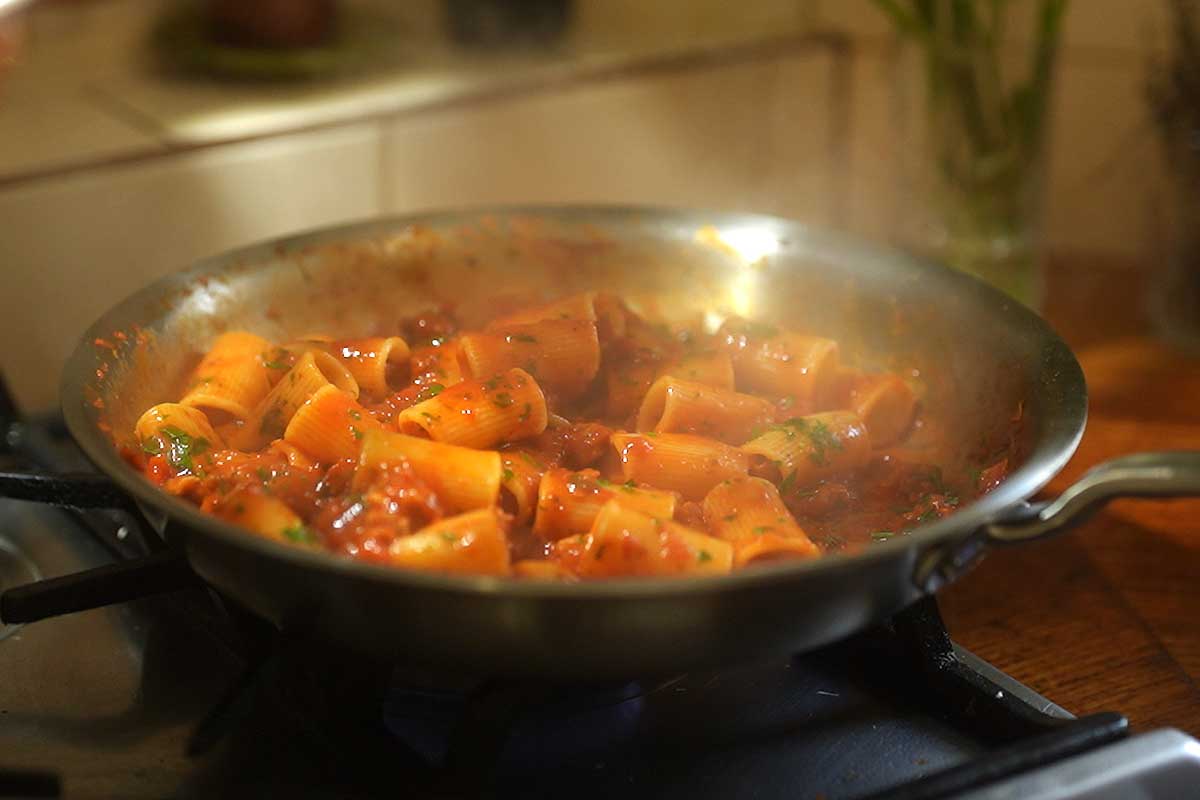
Sausage Arrabbiata Pasta is proper arrabbiata heat, not a watered down version wearing the name.
Italian sausage adds richness underneath, but garlic, chilli and tomato still run the show.
The kitchen smells of garlic sizzling in pork fat, then that sharp tickle of chilli hits the back of your throat. That’s when you know it’s working.
It’s on the table in about 35 minutes, built almost entirely from the cupboard.
[IMAGE 1: 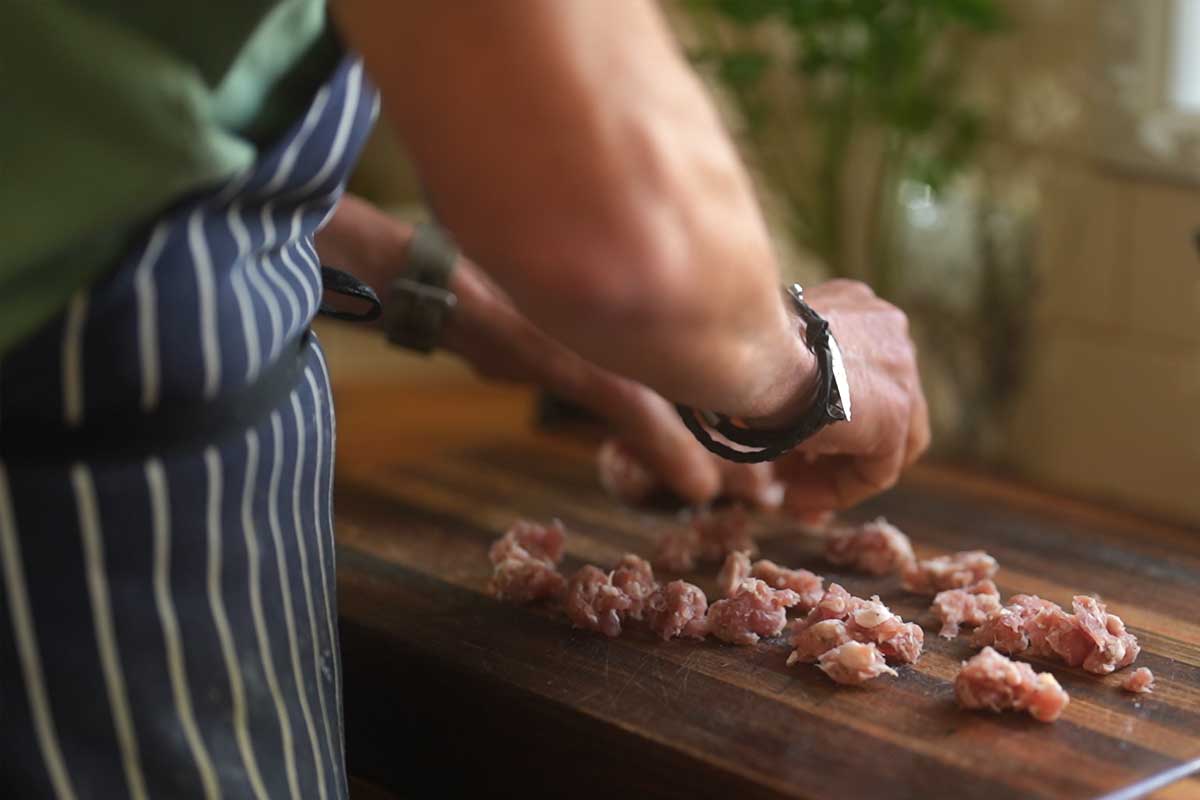 ]
]
What Arrabbiata Really Is
Arrabbiata means “angry” in Italian. The anger is the chilli, and the red face you get from eating it.
It’s a Roman dish from the Lazio region, built from pantry basics: garlic, dried chilli, tomato and olive oil, cooked hard and fast.
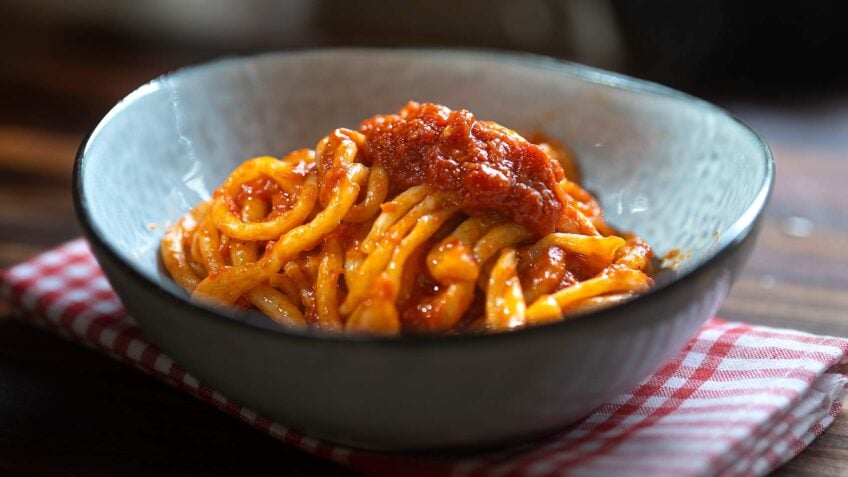
In Rome it’s almost always served as penne all’arrabbiata. The angled ends of penne scoop up sauce like little shovels.
Sausage isn’t traditional. But it gives the sauce body and a savoury depth without dragging it toward something mild and creamy.
![Sausage chunks browning in the frying pan, golden edges forming]](https://b3067249.smushcdn.com/2.0/3067249/wp-content/uploads/2026/09/Sausage-Arrabbiata-Pasta2.jpg?lossy=0&strip=1&webp=1)
Why the Chilli Goes in the Fat
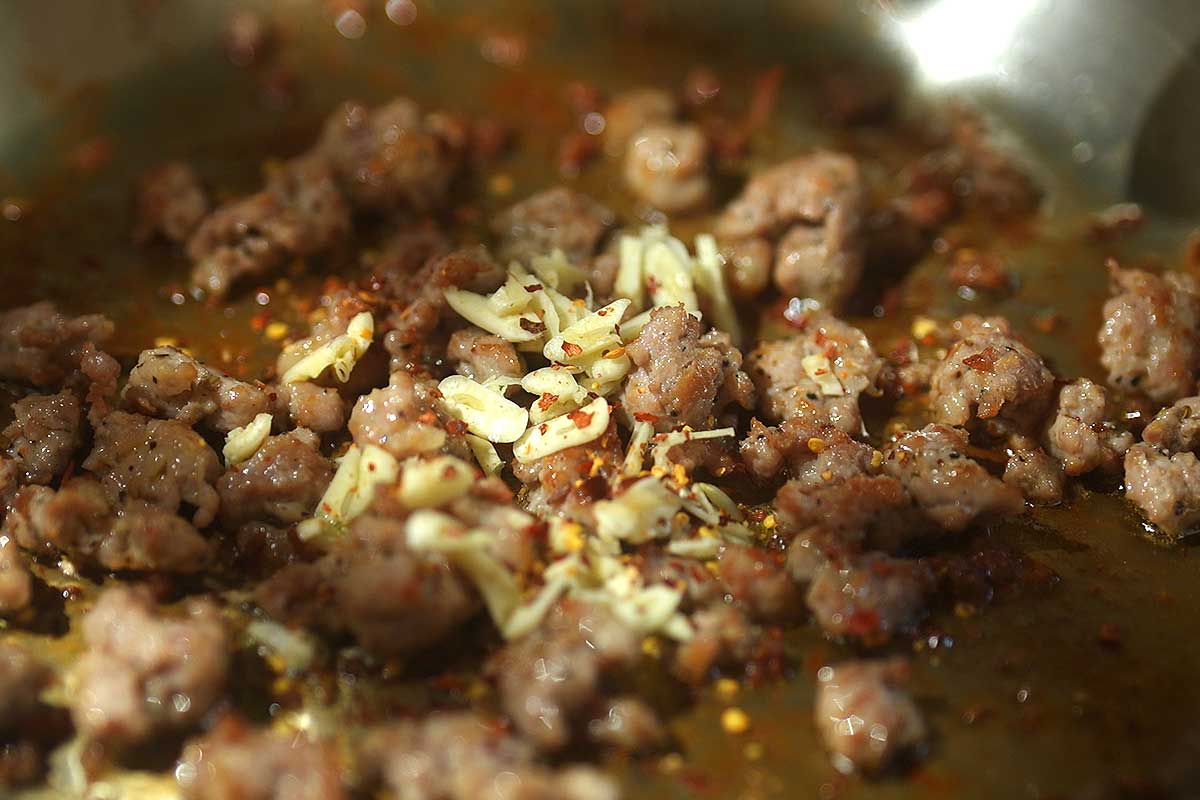
Here’s the bit most recipes skip. The heat in chilli comes from capsaicin, and capsaicin dissolves in fat, not water.
So when you drop the chilli flakes into the hot sausage fat, the heat spreads through the oil and then through the whole sauce.
Capsaicin also barely breaks down at cooking temperatures. Cooking it longer doesn’t make it milder, it just makes it more even.
That’s also why water never helps a burning mouth. A bit of cheese or a mouthful of pasta does far more.
The Tomato Paste Trick
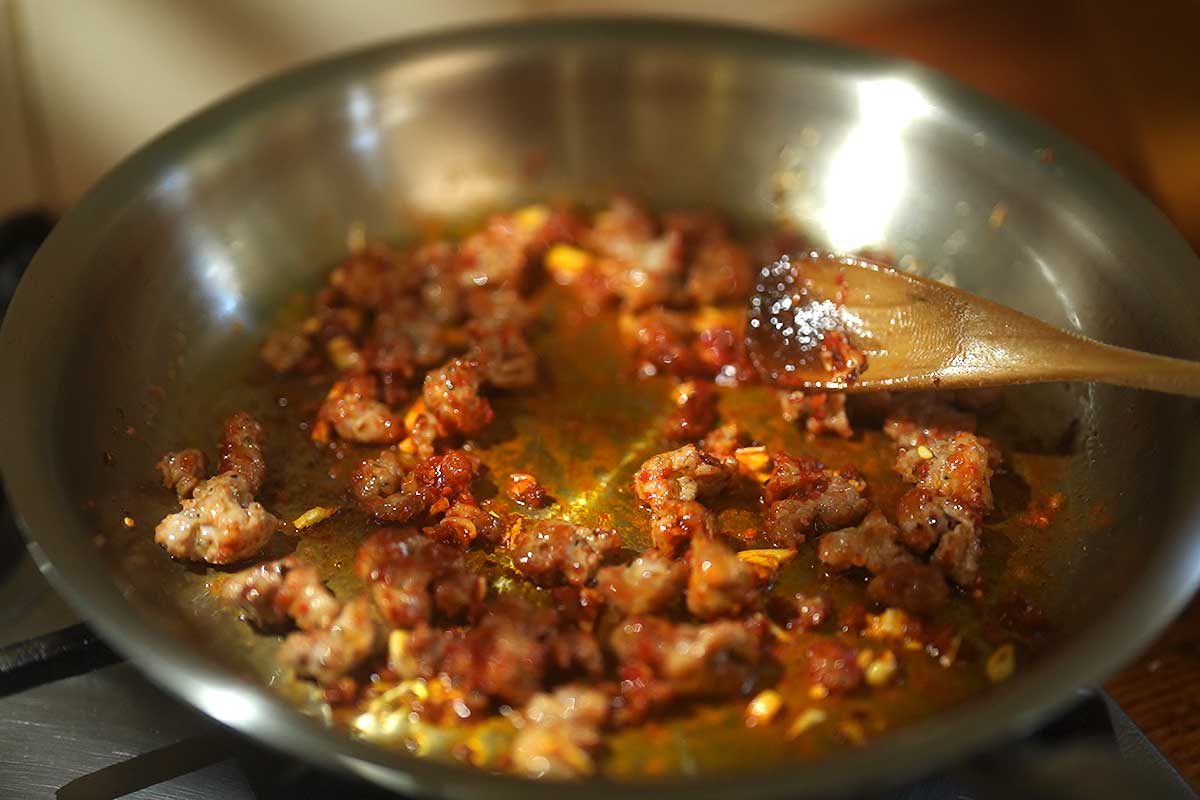
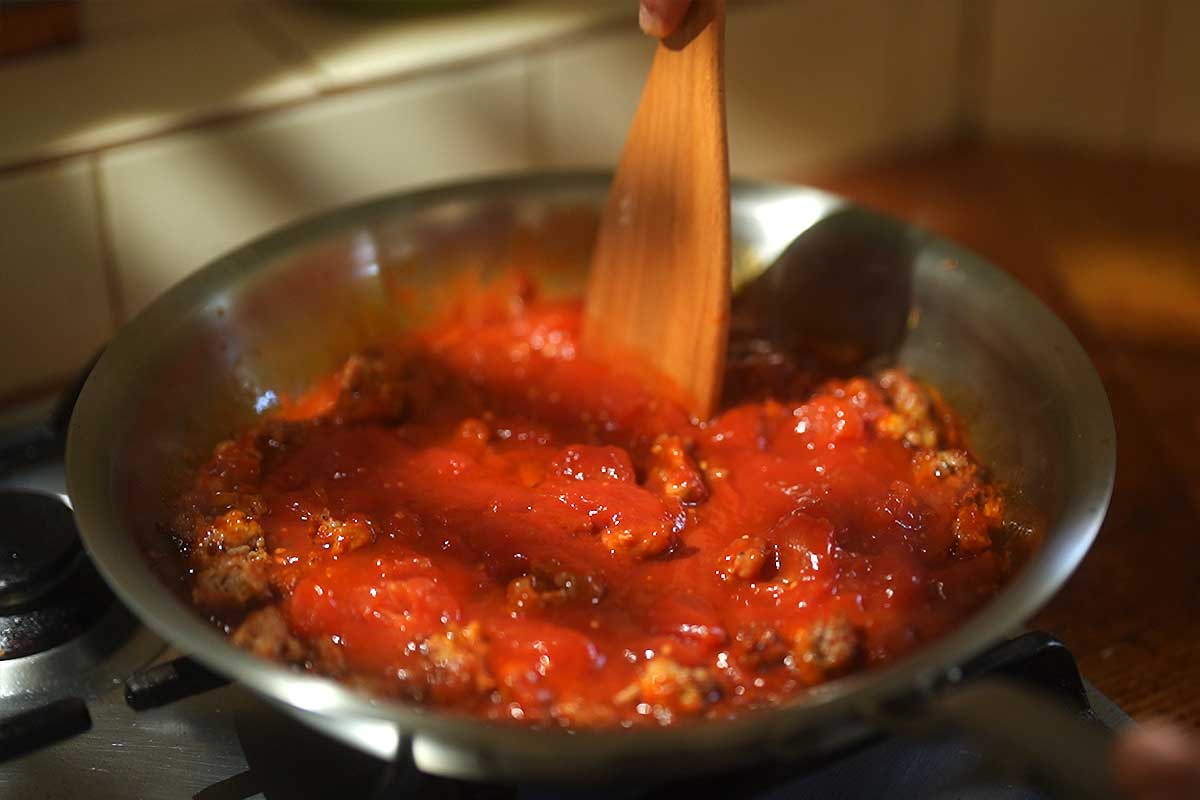
Tomato paste straight from the tube tastes flat and a bit metallic. Cook it in the fat for a minute and it changes completely.
The natural sugars start to caramelise and the colour turns from bright red to a deeper brick. That’s where the sweet, rich backbone of the sauce comes from.
Then the red wine vinegar at the end wakes everything back up. A tiny splash of acid makes the tomato taste more like tomato.
Cooking Tips
Leave parts of the sausage chunky. Big pieces stay juicy and get those crispy, golden edges.
Don’t stir the sausage too often at the start. Let it sit and take on colour, because colour is flavour.
Drop the heat to medium before the garlic goes in. Thin slices of garlic go from golden to bitter in seconds.
Simmer the sauce uncovered. The steam needs somewhere to go so the sauce can thicken. Add water as needed.
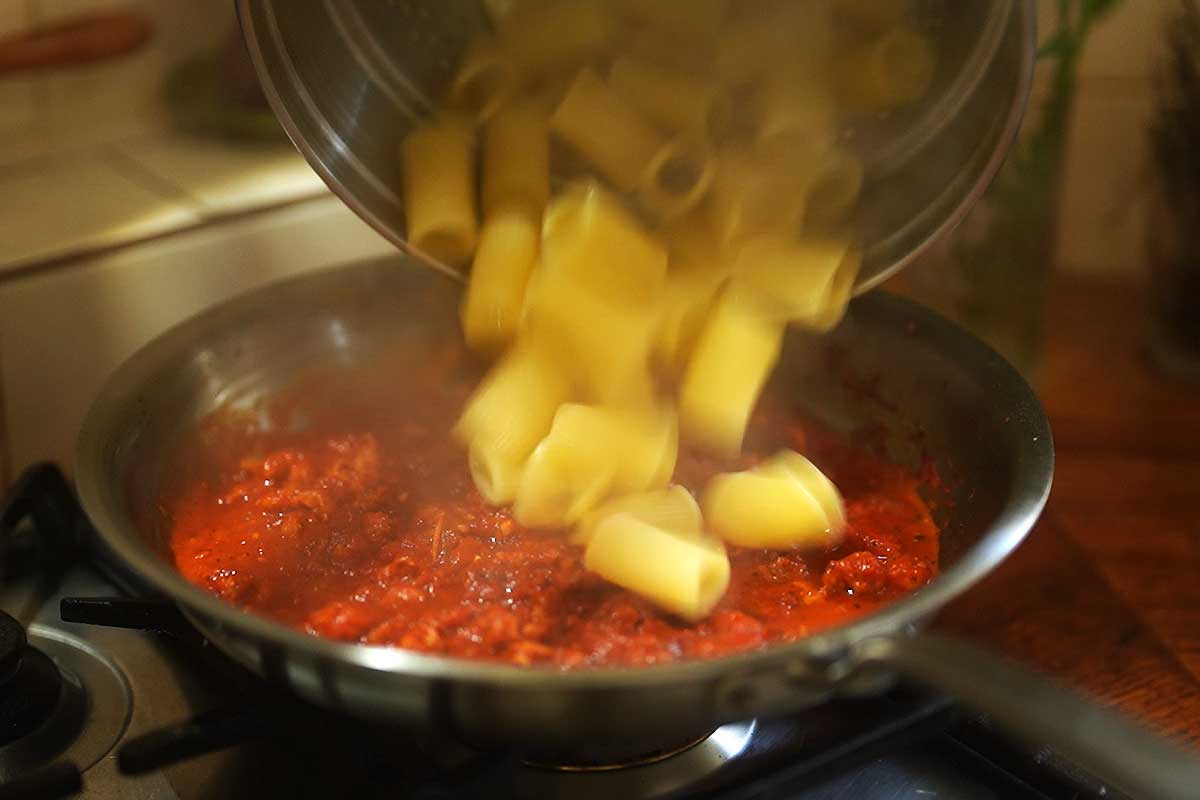
Cook the pasta just under al dente. It finishes cooking in the sauce and soaks up flavour instead of water.
Always save a cup of pasta water before draining. The starch in it is what makes the sauce glossy and clingy.
Taste for heat at the very end. Everyone’s chilli flakes are different, and some jars are much fiercer than others.
 ]
]
Ingredient Swaps
Pasta: Large rigatoni and penne are the best. Paccheri and mezze maniche work well too.
Sausage: use hot Italian sausage if you like it fierce, I prefer the fennel sausage for a lovely aniseed note. Chicken sausage works but has less fat, so add a splash more oil.
Chilli: swap the flakes for one fresh red chilli, finely sliced. Calabrian chilli paste is brilliant here too.
Tomatoes: whole canned San Marzano tomatoes crushed by hand or spatula give a chunkier sauce. Passata gives a smoother one. Don’t buy pre-crushed, they always seem to be of lower quality.
Vinegar: no red wine vinegar? A squeeze of lemon juice does a similar job.
Cheese: Pecorino Romano is the Roman choice and saltier. Parmesan is softer and nuttier. I used Pecorino.
Common Mistakes
Burning the garlic. If it turns dark brown, it will make the whole sauce bitter. Start again, it’s worth it.
Skipping the tomato paste step. Throw it in raw and the sauce tastes thin.
Draining the pasta and forgetting the water. Without it the sauce sits in a puddle at the bottom of the bowl.
Rinsing the pasta. That washes off the starch that helps the sauce stick.
Adding extra chilli at the end to fix a mild sauce. You get gritty, raw hot spots. Bloom it in the oil at the start instead.
What to Serve With It
A simple green salad with a sharp lemon dressing cuts through the heat nicely.
Crusty bread is handy for wiping the bowl clean. You’ll want to.
Roasted broccolini or sautéed spinach with garlic makes it a complete meal.
Storage and Reheating
Keep leftovers in an airtight container in the fridge for up to 3 days.
Reheat in a frying pan with a splash of water to loosen the sauce. The pasta drinks it up overnight.
The sauce on its own freezes well for up to 3 months. Freeze it without the pasta and cook fresh pasta when you need it.
FAQs
Is arrabbiata supposed to be spicy?
Yes. The name means “angry”, and the heat is the whole point. Start with ½ teaspoon of chilli flakes if you’re unsure.
What’s the difference between arrabbiata and marinara?
Marinara is a gentle tomato sauce with garlic and herbs. Arrabbiata is built on dried chilli, so it has real heat.
How do I make it less spicy?
Use less chilli at the start, and serve it with plenty of grated cheese. The fat in the cheese softens the burn.
Can I make it without sausage?
Absolutely. That’s the classic Roman version. Use 3 tablespoons of olive oil so there’s enough fat for the chilli.
Why use rigatoni instead of spaghetti?
The ridges grip the sauce and the wide tubes trap little pieces of sausage. Spaghetti lets the chunks slide straight off.
Can I make the sauce ahead?
Yes. Make it up to 2 days ahead and keep it in the fridge. Warm it up while the pasta cooks.
Angry in the Best Way
Garlic, chilli, tomato and a bit of sausage. Nothing fancy, and it doesn’t need to be.
Cook it hard, toss it with that starchy water, and let the heat do the talking. Give it a go.
 By
By 
You must be logged in to post a comment