
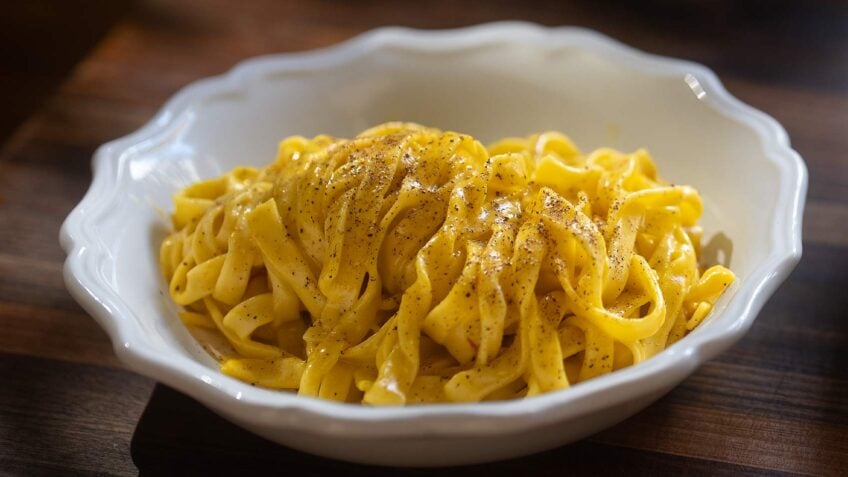
The Ten-Minute Pasta That Tastes Like a Fine Italian Restaurant
A handful of ingredients, ten minutes of cooking and a sauce that tastes like it belongs in a fine Italian restaurant.
This recipe proves you don’t need cream, garlic or complicated techniques to make something genuinely luxurious.
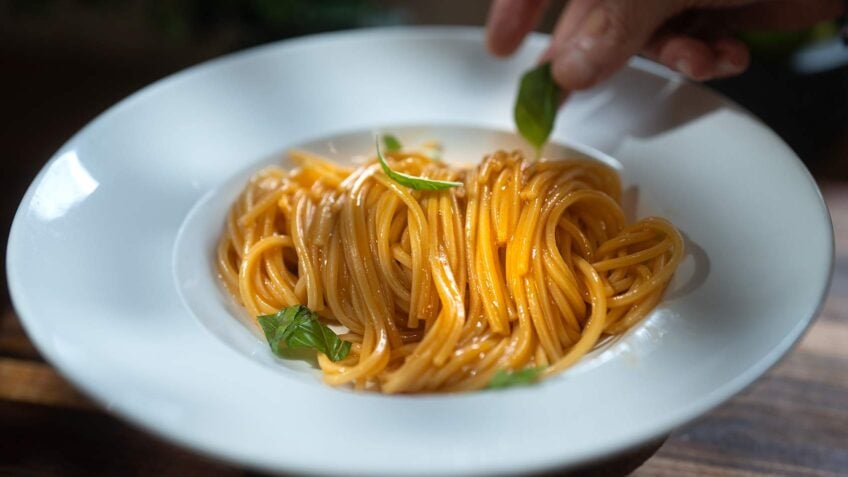
The secret is saffron. Often hidden away in risotto, here it becomes the star. Its floral aroma, rich golden colour and delicate flavour combine with butter, Parmesan and starchy pasta water to create a silky emulsion that clings to every strand.
The Legend Behind This Dish
Legend has it this dish traces back to Milan in 1574.
A stained-glass apprentice nicknamed Zafferano used saffron to colour the windows of the Duomo. During a wedding feast, he jokingly added some to the rice. The guests loved it, and Milan’s famous saffron risotto was born. Legend says this was the birth of Milan’s famous saffron risotto.
This pasta follows the same simple philosophy, letting saffron shine without distraction. Simple ingredients. Elegant flavour. Pure Italian comfort.
What Makes Saffron Worth the Price
Saffron is one of the most expensive spices in the world by weight, and it earns that price. Unfortunately, saffron is also one of the world’s most counterfeited spices. Some fake products are coloured corn silk, safflower or dyed fibres that look convincing but deliver little or no flavour. Buying from a trusted supplier is the best way to ensure you’re getting the real thing.
The real thing contains two key compounds. Crocin, which gives it that unmistakable deep golden colour, and safranal, which is responsible for its delicate floral, slightly honeyed aroma. Together they create a flavour profile that nothing else can replicate or imitate convincingly.
A small pinch is genuinely all you need. Half a teaspoon of threads for two portions is enough to turn the whole dish gold and fill the kitchen with that warm, unmistakable fragrance.
Always Infuse the Saffron First
This step is not optional and the timing matters.
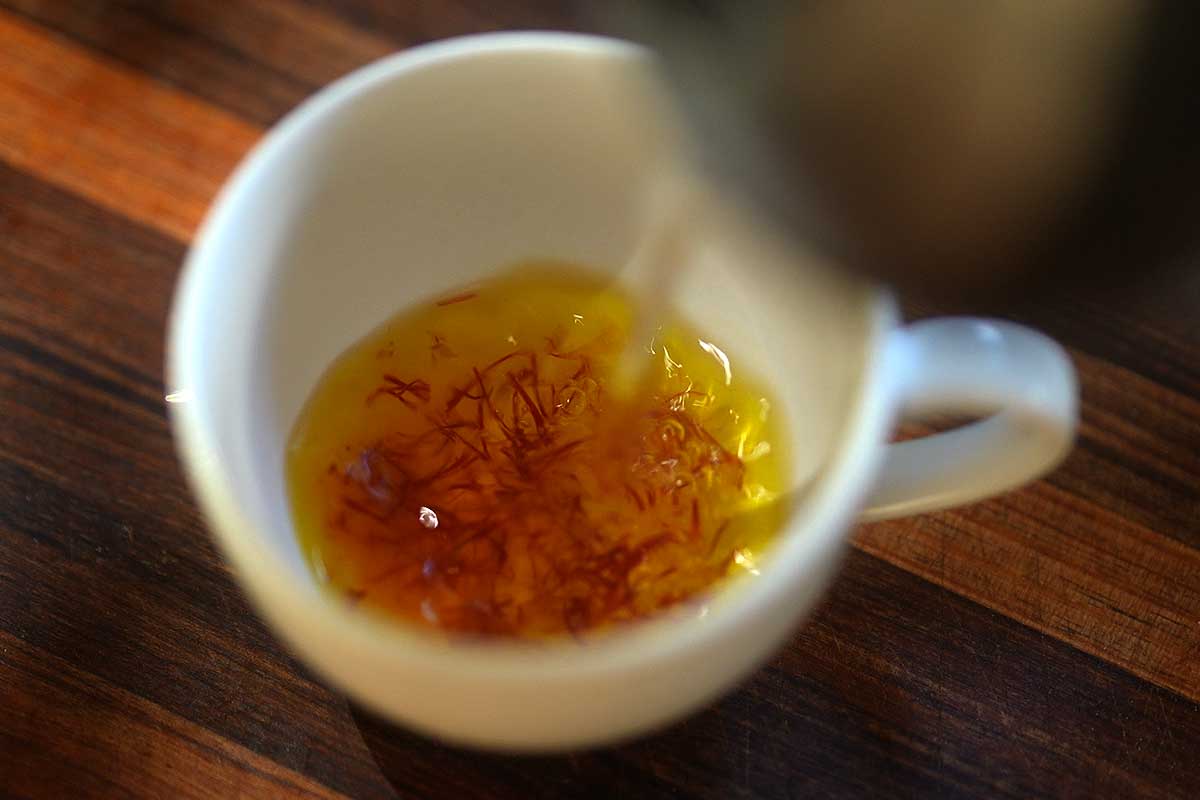
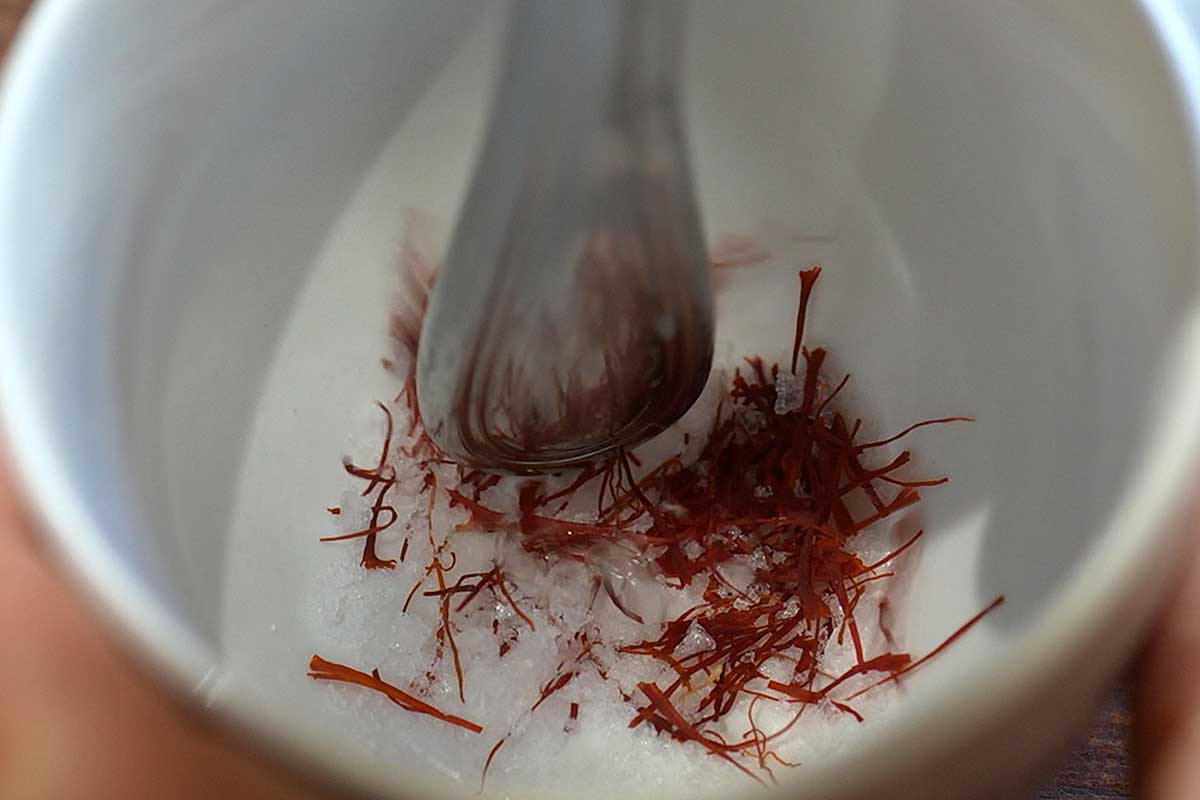
Saffron needs hot water and time to release its colour and flavour compounds. Twenty minutes minimum, longer is better. A short steep gives you pale, under-flavoured results. A proper infusion gives you that deep amber liquid that turns the pasta sauce gold and fragrant. The crushing technique as in the video can speed it up.
Always add the threads to the water, not the other way around. And never boil saffron aggressively. Gentle heat preserves the delicate aroma that makes it worth using in the first place.
The Emulsion That Replaces Cream
The secret to this sauce is not the butter or the cheese on their own. It’s the emulsion they form together with starchy pasta water.
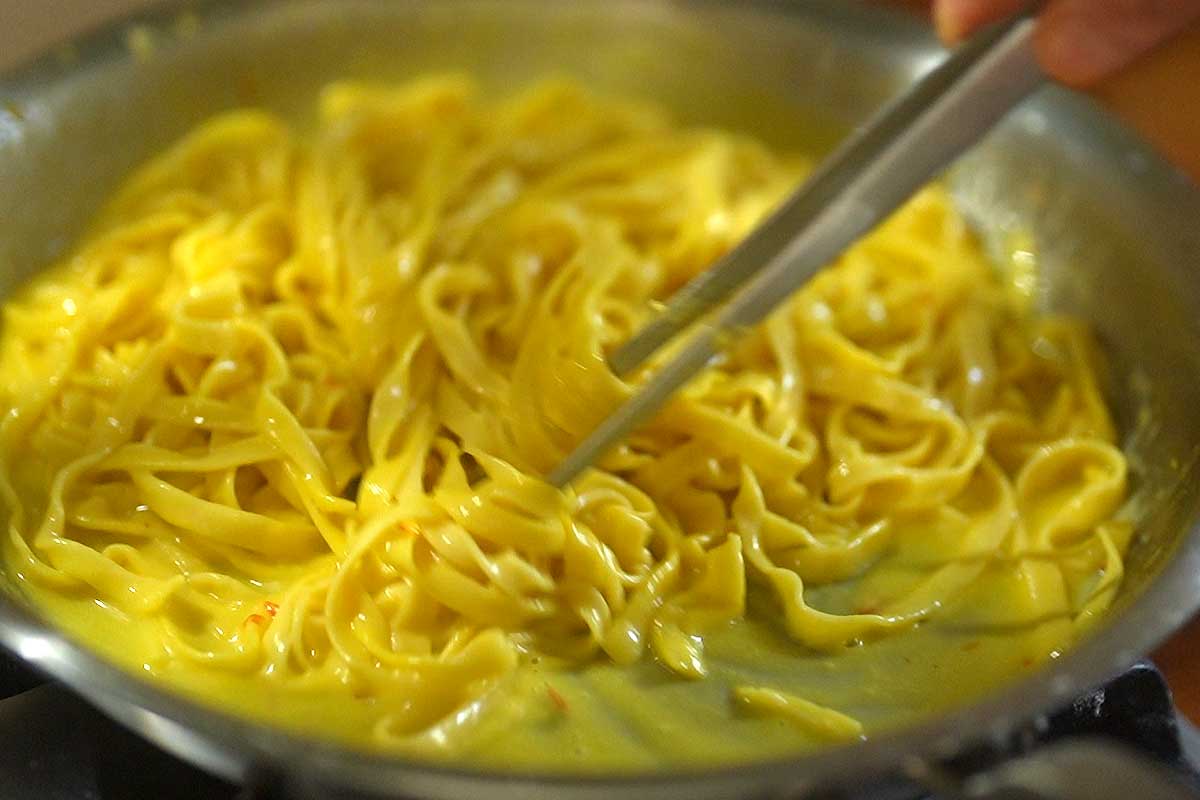
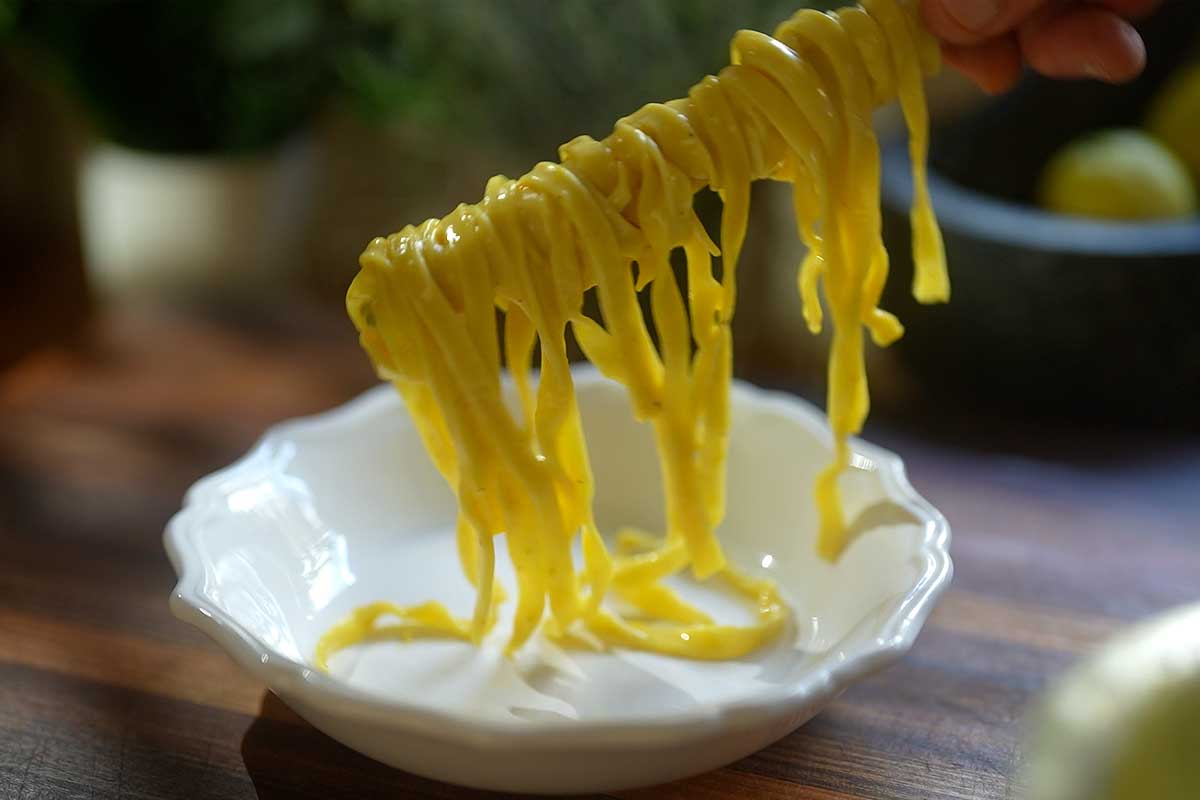
When butter, Parmigiano Reggiano and hot pasta water are combined correctly, the starch acts as an emulsifier, binding the fat and liquid into something naturally creamy and silky without a single drop of cream. The sauce should look glossy and fluid, not thick or clumped.
If it tightens up, a splash more hot pasta water and vigorous tossing brings it right back. That pasta water is your insurance policy. Never drain it away before you’ve tasted the sauce.
Cooking Tips
Buy saffron threads, not powdered saffron. Powdered saffron is far more likely to be adulterated with cheaper spices, fillers or artificial colourings, making it much harder to know what you’re actually buying.
If you have time, infuse the saffron for at least 20 minutes. The colour deepens significantly between 10 and 30 minutes and the flavour develops along with it.
Use freshly grated Parmigiano Reggiano, not pre-grated. Pre-grated cheese contains anti-caking agents that prevent it from melting smoothly. Freshly grated melts into the sauce almost instantly.
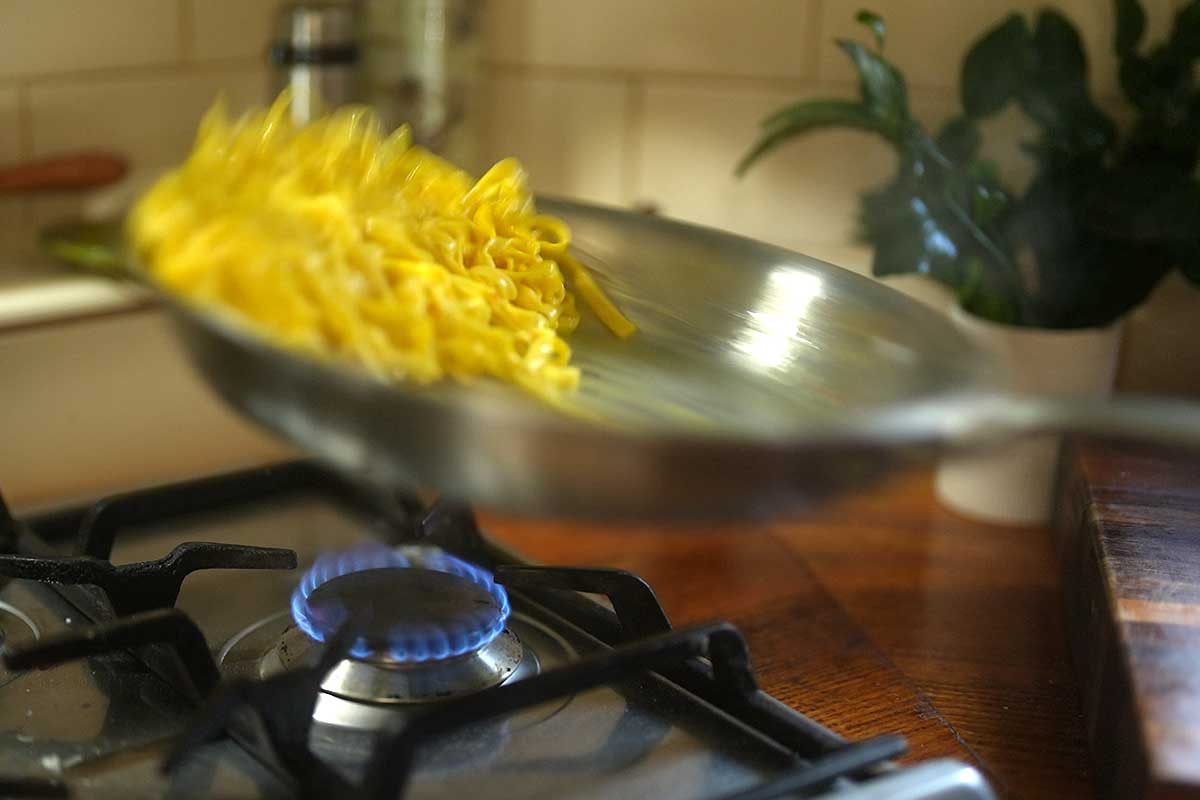
Pull the pasta 2 minutes before al dente. It finishes cooking in the sauce and will be perfectly cooked by the time you serve it. People often say fresh pasta can’t be al dente, but fresh pasta has its own version of al dente. It’s more delicate than dried pasta, but there should still be a slight bite. If it’s mushy, it’s overcooked.
Add the Parmesan gradually, a little at a time, tossing between each addition. Adding it all at once can cause it to clump rather than melt smoothly. Add a little pasta cooking water each time.
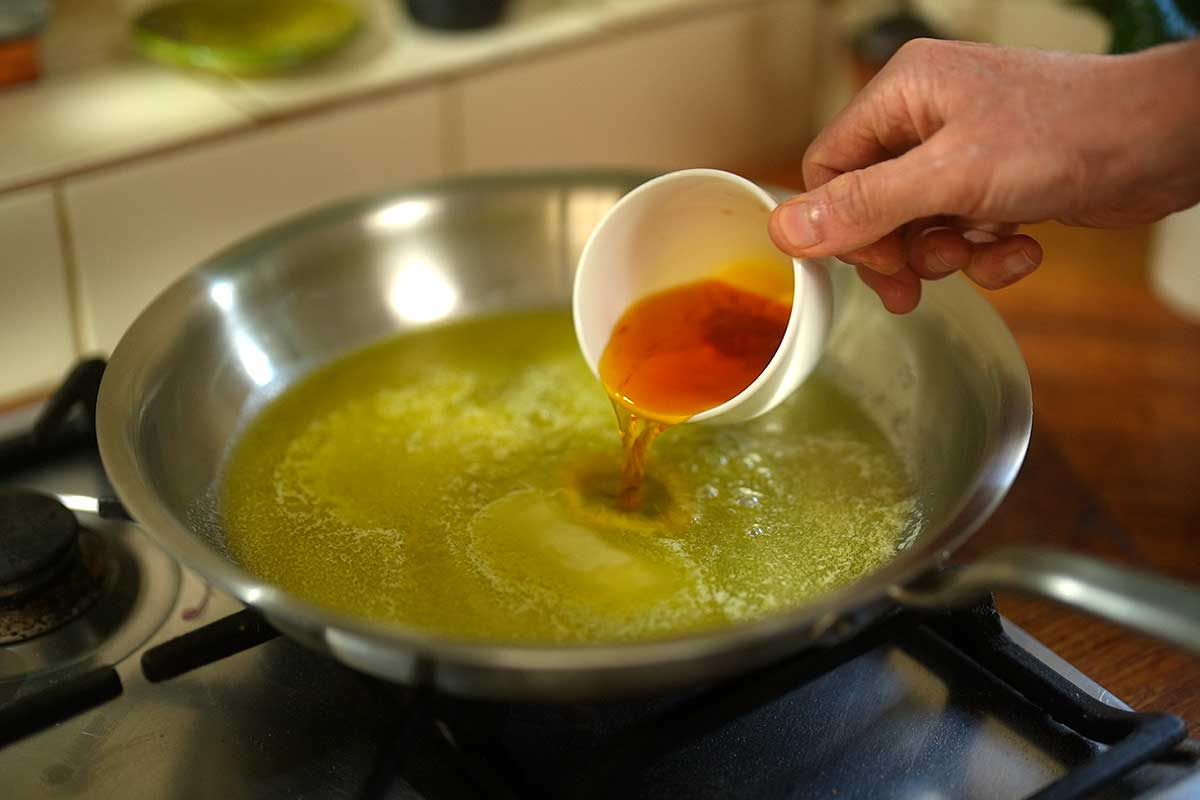
Never let the saffron butter boil. Gentle warmth only. Aggressive heat destroys the delicate aromatic compounds you paid good money for.
Ingredient Swaps
No fettuccine? Fresh tagliolini is the most traditional choice for this dish in Milan. Dried spaghetti or linguine work beautifully and are easier to find.
No Parmigiano Reggiano? Grana Padano is the closest substitute. Both are aged Italian cheeses with a similar salty, nutty character. Avoid anything pre-grated in a shaker.
Want to add protein? Seared scallops placed on top of the finished pasta is a classic Milanese pairing. The sweetness of the scallop and the floral saffron is a genuinely beautiful combination.
Common Mistakes
Don’t rush the saffron. A quick steep gives you pale, weak pasta. Give it a full 20 minutes if you can. Short on time? Crush it with a pinch of salt first, that speeds things up as in video.
Boiling the saffron butter aggressively. It cooks off the delicate aromatic compounds that make saffron worth using. Gentle heat only.
Adding all the Parmesan at once. It clumps instead of melting smoothly. Add it gradually while tossing.
Not reserving enough pasta water. You need at least a cup and a half. The sauce almost always needs more liquid than you expect.
What to Serve With It
This pasta is elegant enough to stand completely on its own. It doesn’t need anything alongside it to feel like a proper meal.
A simple rocket salad dressed with lemon and olive oil is the perfect accompaniment if you want something green on the table.
A glass of dry white wine. A good Pinot Grigio or a northern Italian white like Arneis sits perfectly with the delicate saffron flavour.
Storage
Best eaten immediately. The emulsion loosens and the pasta absorbs the sauce as it sits.
If you have leftovers, store covered in the fridge for up to 1 day. Reheat gently in a pan with a splash of water and a small knob of butter over low heat.
Do not freeze. The texture of the emulsified sauce breaks completely after freezing.
FAQs
How much saffron do I actually need?
Half a teaspoon of threads, approximately 0.3 grams, is enough for two generous portions. Saffron is potent and a little goes a long way. More is not necessarily better here as too much can turn the flavour medicinal and bitter.
Can I use saffron powder instead of threads?
You can but threads are strongly preferred. Powdered saffron is often adulterated with cheaper spices like turmeric or safflower and the flavour is less reliable. If using powder, use a quarter teaspoon and dissolve it directly in the hot water.
Is this dish gluten free?
Swap the pasta for your preferred gluten free variety and the rest of the recipe is naturally gluten free. The sauce technique works identically with gluten free pasta.
Why does my sauce look greasy instead of silky?
The emulsion broke, usually because the heat was too high or the pasta water wasn’t hot enough. Add a splash of very hot pasta water and toss vigorously over low heat. It will usually come back together with a little effort.
Where does saffron pasta come from?
Saffron in pasta is strongly associated with Milan and Lombardy in northern Italy, where saffron has been used in cooking since at least the 16th century. The famous Risotto alla Milanese uses the same ingredient and follows the same philosophy of letting saffron’s colour and fragrance speak without competition.
Fewer Ingredients, More Meaning
This pasta is proof that restraint is its own kind of luxury.
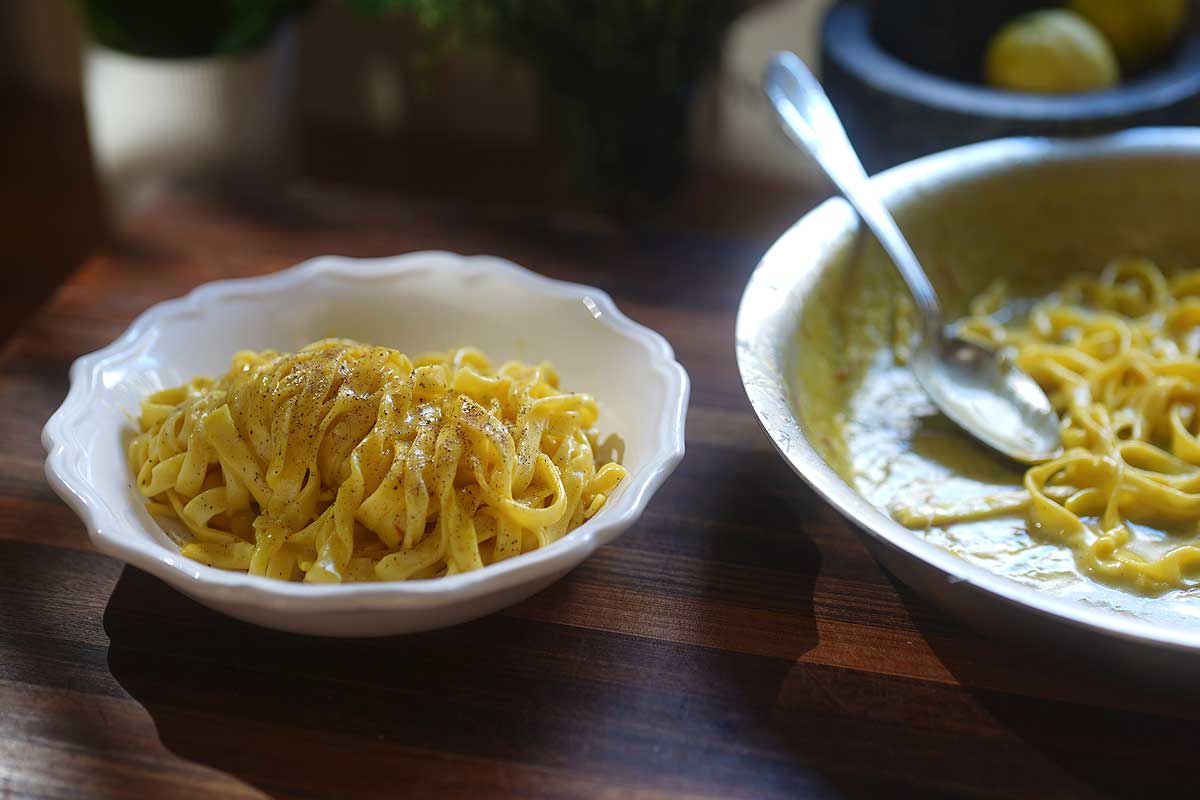
No cream, no garlic, no complicated technique. Just saffron doing exactly what it has been doing in Milan since 1574, turning something humble into something quietly extraordinary.
Ten minutes. Five ingredients. One of the most elegant pasta dishes you’ll ever make. Even Kenji got excited.
 By
By 
You must be logged in to post a comment