
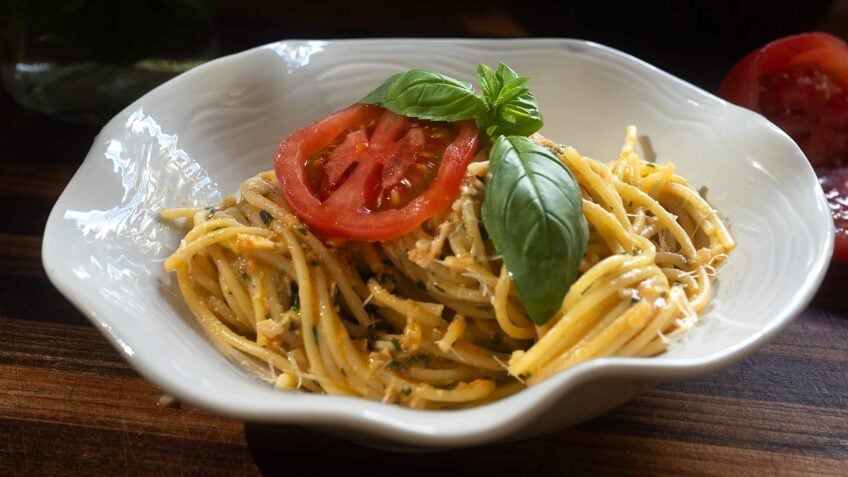
Sicily’s Pasta Sauce That Never Sees a Stove
Most pasta sauces spend an hour reducing on the stove. This one is the opposite.
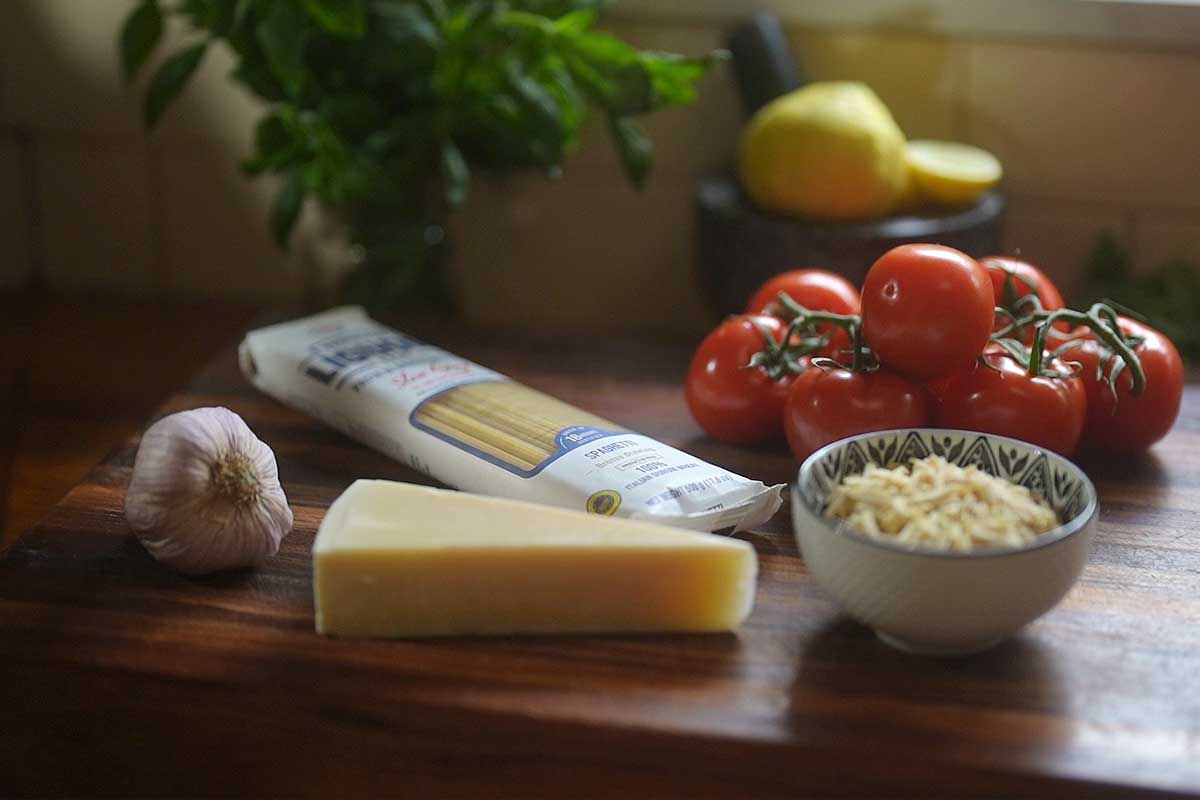
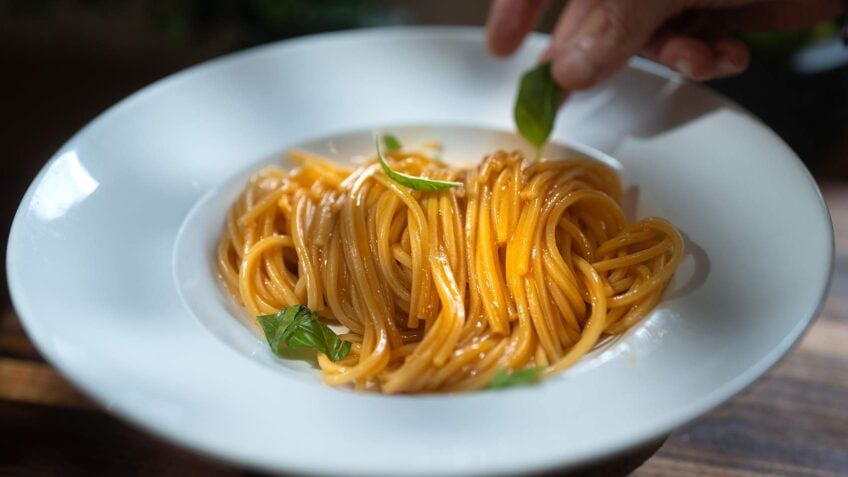
Pasta alla Trapanese is a raw sauce from the west coast of Sicily, built from ripe tomatoes, almonds, basil and garlic, all blitzed together while the pasta boils.
No simmering, no reducing, no waiting around. Just a food processor and good tomatoes.
Where This Sauce Comes From
Trapani sits on the far western tip of Sicily, closer to Tunisia than to Rome.
That geography shows up in the food. Almonds instead of pine nuts, raw tomato instead of cooked, a whole different pesto tradition to the one everyone knows from Genoa.
Some food historians reckon this sauce predates the Genovese version, carried across from North African trading routes long before basil pesto was written down.
True or not, it tastes like a different country entirely.
Why You Stop Blending Early
The instinct with any food processor is to keep going until everything is smooth. Resist it here.
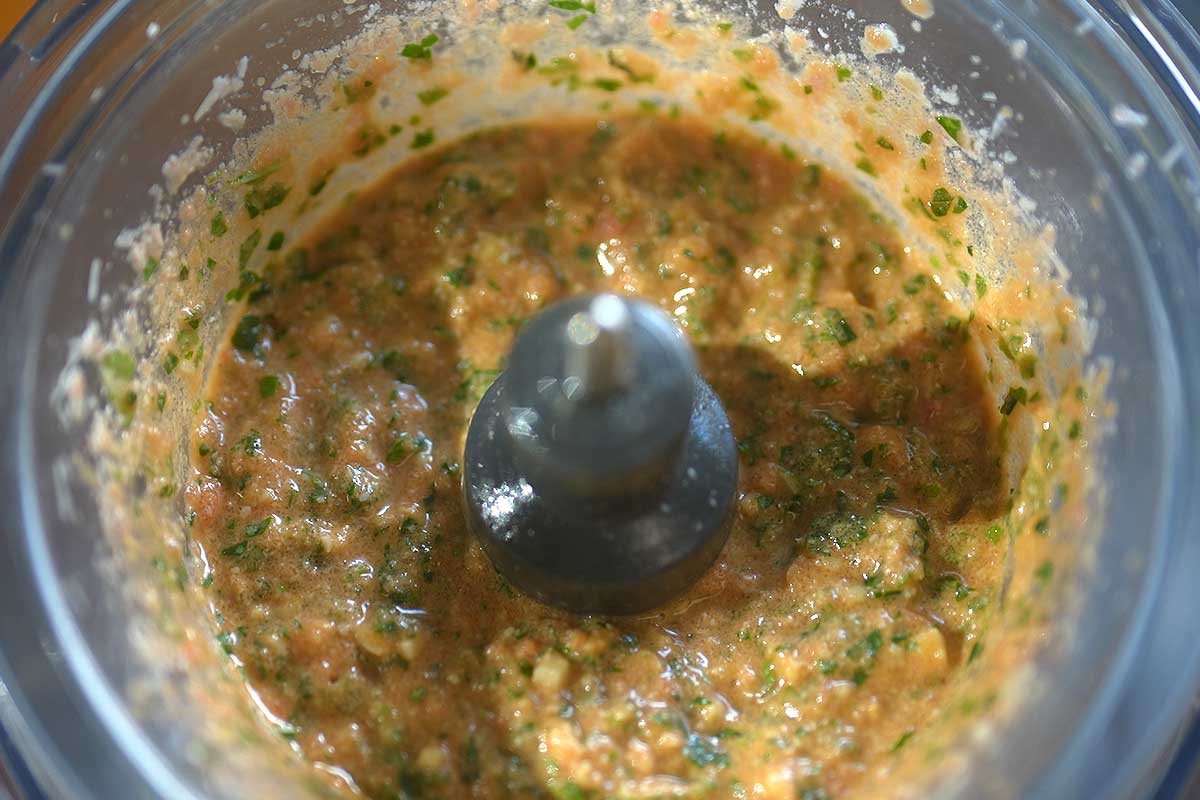
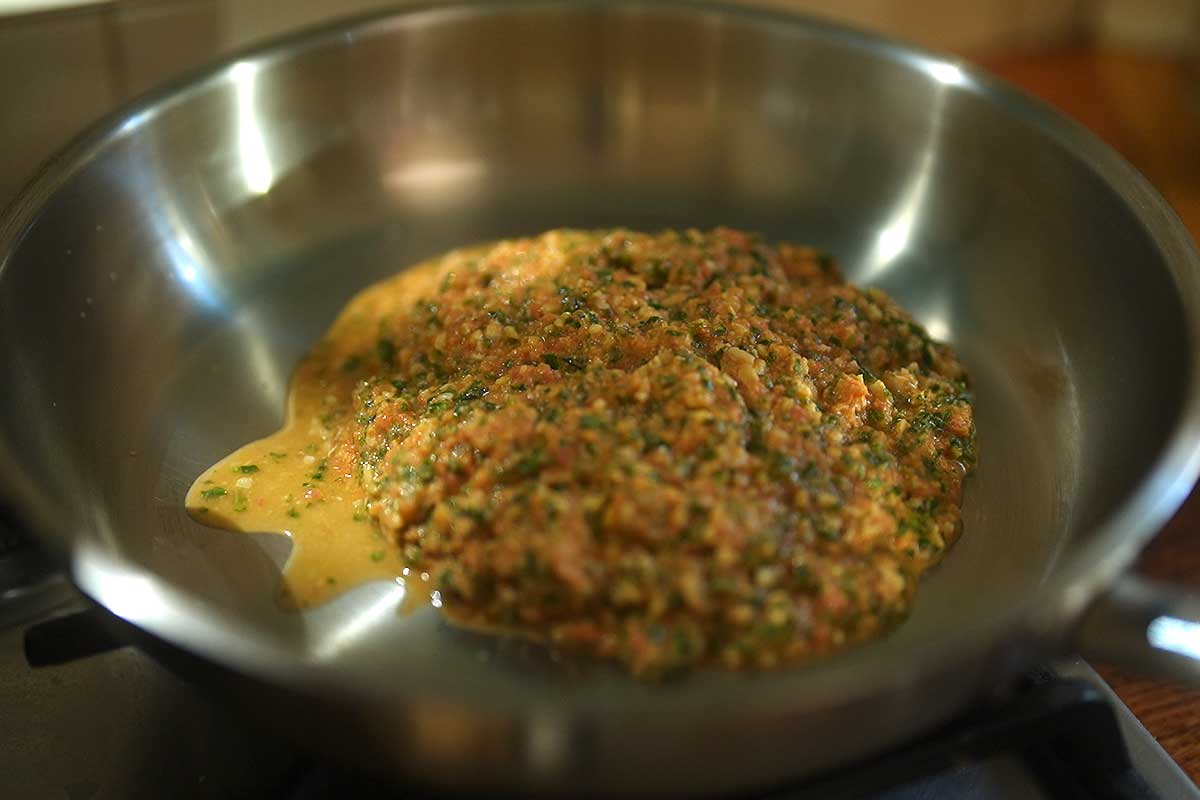
Pasta alla Trapanese wants texture. Small pieces of almond, small pieces of tomato, still visible through the sauce.
Blend it to a paste and you lose the whole point of the dish. It stops being Trapanese and starts being a smoothie.
Pulse in short bursts and check it often. You want coarse, not creamy and able to see all the different colours and not a brown mush.
The Almond Difference
Almonds do something pine nuts can’t. They bring a dry, nutty backbone that holds up against raw tomato instead of getting lost in it.
Blanched slivered almonds work best here because they blend into rougher, more interesting pieces than whole almonds do.
Toast a handful separately and scatter them on top at the end if you want extra crunch and a deeper, roasted flavour running through the dish.
Cooking Tips
Use the ripest tomatoes you can find. This dish lives or dies on that one ingredient.
Peel the tomatoes properly. Raw tomato skin is bitter and it will not soften in this sauce, because nothing here gets cooked.
Reserve at least a cup of pasta water before draining. You will need it to loosen the sauce.
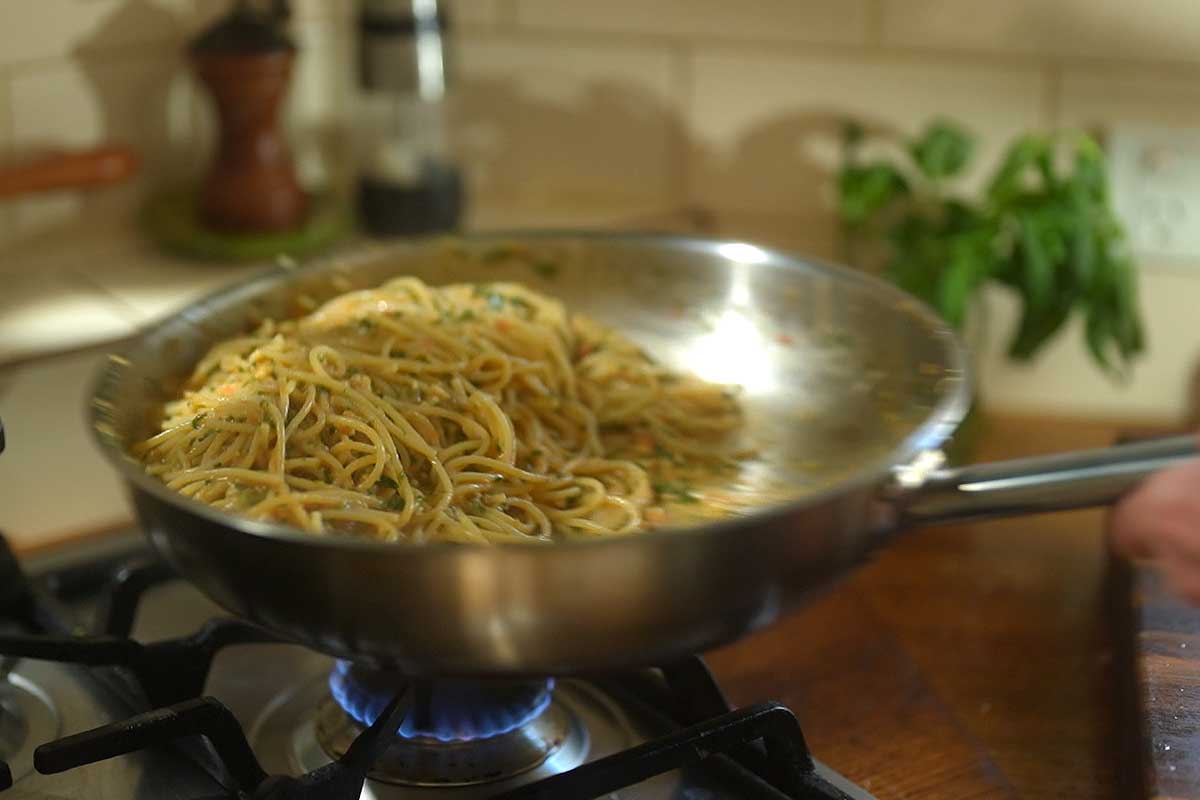
Warm the sauce through in the pan on the lowest possible heat, just to take the chill off it. It should never actually cook. You could also do it in a mixing bowl, and place it on the hot pasta water as a double boiler to help keep it warm. (I myself prefer a pan).
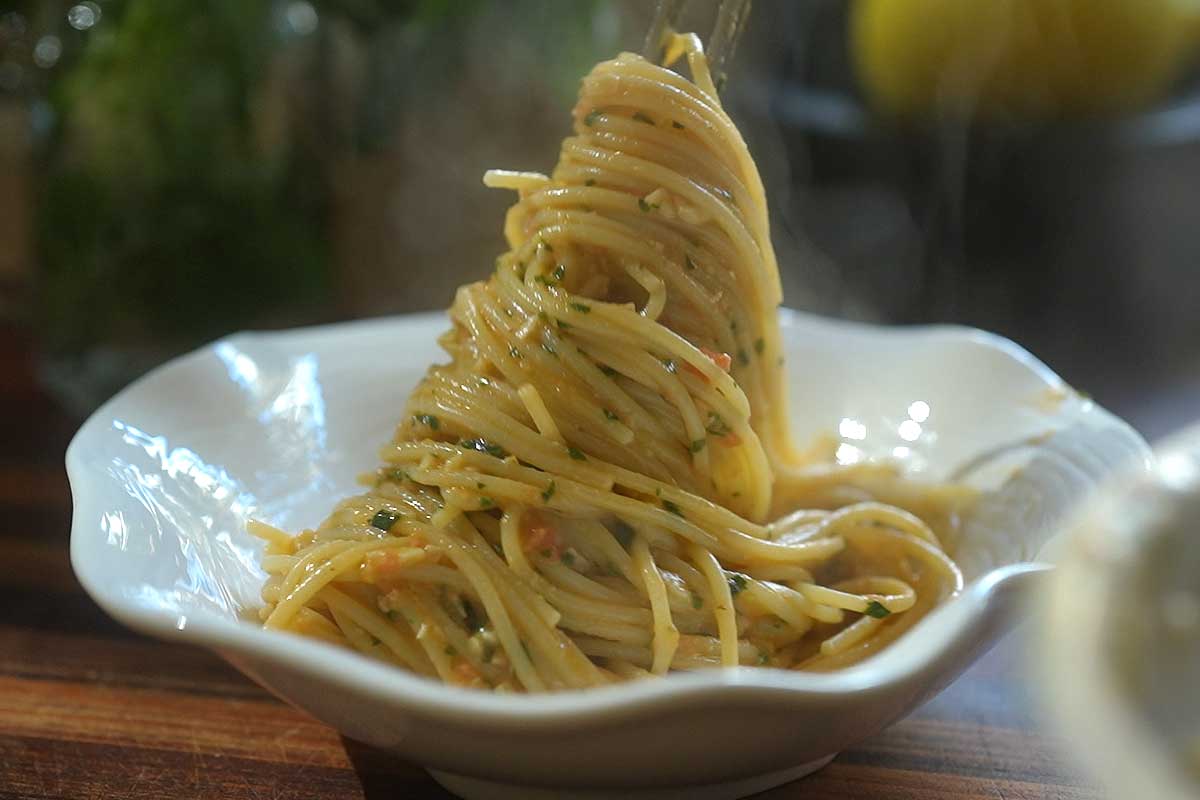
Add the pasta straight from the pot, still dripping with its cooking water. That starch helps everything cling together.
Toss constantly once the pasta hits the pan. This is what brings the sauce and pasta together properly. Add extra olive oil and a little pasta water at a time, repeat step.
Taste before you season. The Pecorino is salty, so go easy on the fine sea salt until the end.
Serve the moment it is ready. Raw sauces do not sit around and wait for anyone.
Ingredient Swaps
Traditionaly you would use busiate or Casarecce, pasta, I prefer spaghetti, but they all work well, anything with enough surface to grab the sauce.
Pecorino Romano is a perfectly good stand in if you can’t get Pecorino Siciliano.
Walnuts can replace almonds in a pinch, though the flavour turns earthier and a little more bitter.
![Close up of the finished dish plated, garnished with extra Pecorino, basil leaves and a slice of warm peeled tomato]](https://b3067249.smushcdn.com/2.0/3067249/wp-content/uploads/2026/08/Pasta-alla-Trapanese4.jpg?lossy=0&strip=1&webp=1)
Common Mistakes
Blending the sauce completely smooth. It should stay coarse and textured, not turn into a puree.
Actually cooking the sauce. The pan is only there to take the fridge chill off it, not to simmer it.
Using underripe tomatoes. Watery, pale tomatoes will leave the whole dish flat and thin.
Forgetting the pasta water. Without it, the sauce sits on top of the pasta instead of clinging to it.
Going overboard on the garlic. One clove is the whole allowance. Any more and it drowns out the tomato and basil.
What to Serve With It
This is a warm weather dish, so keep everything around it light.
A simple green salad, crusty bread for the leftover sauce, and a chilled white wine are all it needs.
Storage
The sauce keeps in the fridge for up to two days in an airtight container, though the colour dulls a little as the tomato oxidises.
It is not really a leftovers dish. Once tossed through hot pasta, it is best eaten straight away rather than reheated.
If you do have extra sauce on its own, spoon it cold over bruschetta the next day instead of reheating it.
FAQs
Can I make this sauce ahead of time?
Yes, but only by a few hours. Make it too far ahead and the tomato starts to break down and turn watery.
Why is the sauce never cooked?
That is the entire identity of Pasta alla Trapanese. The freshness of raw tomato and basil is the whole flavour, and cooking it would flatten that completely.
Is Pasta alla Trapanese served hot or cold?
Traditionally Warm. The pasta itself is hot from the pot, which gently warms the sauce as they mix, without ever actually cooking it.
Can I use a blender instead of a food processor?
You can, but pulse in very short bursts and watch it closely. A blender turns things smooth much faster than you want here.
Is this the same as pesto alla Trapanese in restaurants?
Yes, this is the same sauce, sometimes labelled pesto Trapanese and sometimes salsa Trapanese depending on the region.
A Different Kind of Pasta Sauce
There is something a bit rebellious about a pasta sauce that refuses to simmer.
Pasta alla Trapanese proves that great sauce does not always need heat, just good tomatoes and a little restraint with the blender.
 By
By 
You must be logged in to post a comment