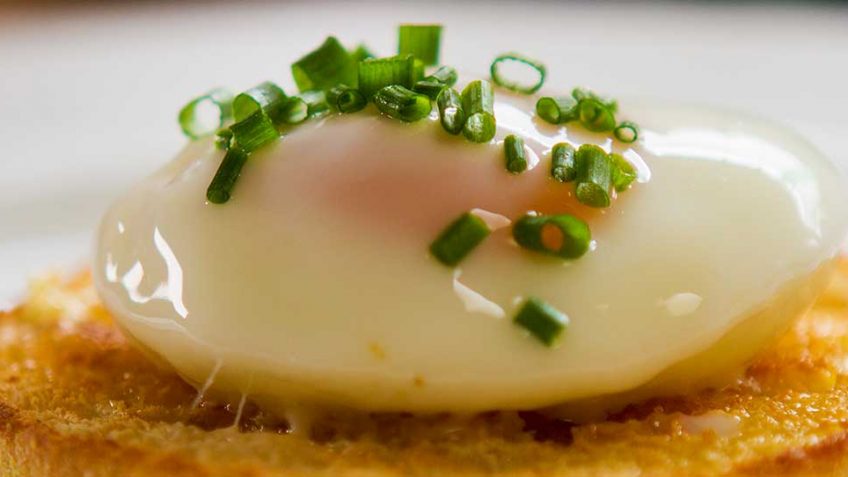
The 60-Second Poached Egg That Changes Breakfast Forever

I can poach two eggs using this method faster than the bread takes to toast.

This is a non-traditional technique, but it works brilliantly when you’re in a hurry and want a proper poached egg without the drama of a swirling pot of water.

Because the microwave cooks from the outside and the heated water cooks from below, it’s a two-way cooking process. Fast, simple and surprisingly good.

The 60-Second Poached Egg That Changes Breakfast Forever

Why This Works

Traditional poached eggs require a pot of simmering water, a splash of vinegar, a gentle swirl and a lot of attention. This method cuts all of that out.

The egg sits in half a cup of lightly salted water in a microwave-safe cup. The water heats rapidly and essentially poaches the egg from below while the microwave works from above. Sixty seconds and it’s done.

Fresh eggs make a dramatic difference here. A fresh egg holds its shape beautifully and gives you that tight, neat result. Older eggs spread and give mixed results, so always use the freshest eggs you can find.

Room Temperature Eggs Work Best

If you have time, take your eggs out of the fridge 30 minutes before cooking.

A cold egg straight from the fridge takes slightly longer to cook through and can give you an uneven result. Room temperature eggs cook more evenly and reliably in the microwave.

Not always possible on a busy morning, but worth knowing.

a perfect egg using a microwave

Every Microwave Is Different

This is the most important thing to understand about this method.

Microwaves vary in wattage and some have hot spots that can cause uneven cooking. The timing in this recipe is based on a 1200 watt microwave. If yours is lower wattage, it will take a little longer. If it’s higher, a little less.

Start at 45 seconds on your first attempt, check the egg, then continue in small bursts if it needs more time. Take notes on what works for your specific microwave so you nail it every time from there.

Safety First

A quick but important note. Liquids heated in a microwave can sometimes superheat and erupt when disturbed, and eggs can occasionally explode if your microwave has hot spots.

This has never happened in my experience with this method, but always remove the cup carefully and be cautious when scooping the egg out. Use a microwave-safe cup, not a sealed container, and never cover the cup tightly.

A perfect poached egg

Cooking Tips

Use a microwave-safe cup or mug, not a bowl. The cup shape keeps the egg contained and gives you a neat, round result.

Salt the water before adding the egg. Salted water seasons the egg gently as it cooks.

If the egg looks slightly underdone when you remove the cup, leave it sitting in the hot water for another 20 to 30 seconds. The residual heat will finish it off perfectly without overcooking.

Use room temperature water, not cold. Cold water takes longer to heat up and throws off the timing.

Pat the egg dry on absorbent paper before placing it on the muffin. This stops the toast going soggy from the excess water.

Two Eggs at Once

You can poach two eggs simultaneously using this method.

Use a larger microwave-safe bowl with half a cup of water per egg. The timing will be similar but check after 50 seconds on your first attempt as the extra volume of water can slightly change the cook time.

Quickest poached egg using a microwave

What to Serve With It

An English muffin or thick sourdough toast is the classic pairing. Butter it generously while it’s still hot.

Avocado toast with a poached egg on top. A few chilli flakes and a squeeze of lemon and you have a proper breakfast.

Smoked salmon underneath the egg with a little cream cheese on the muffin. Weekend breakfast sorted.

Wilted spinach and a slice of ham for a quick eggs Benedict without the hollandaise.

A non-traditional technique, but it works brilliantly


FAQs

Is it safe to poach an egg in a microwave?
Yes, when done correctly it is safe. Use a microwave-safe cup, never cover it tightly, and always remove it carefully. The main caution is that liquids can sometimes superheat and erupt when disturbed, so handle the hot cup gently. Always start at a lower time and work up until you know how your microwave behaves.


Why did my egg explode in the microwave?
This can happen if your microwave has hot spots or if the egg is cooked for too long. Starting at 45 seconds and checking before continuing reduces this risk significantly. Never microwave an egg in its shell.


My egg keeps spreading. What am I doing wrong?
The egg is likely not fresh enough. Fresh eggs have a tight, firm white that holds its shape. Older eggs have a thinner, runnier white that spreads. Always use the freshest eggs possible for the best result.


How do I know when the egg is done?
The white should be set and opaque all the way through, while the yolk should still feel slightly soft when you gently press it. If the white still looks translucent around the yolk, give it another 10 seconds and check again.


Can I poach an egg in the microwave without water?
No. The water is essential. It creates the gentle, even heat that poaches the egg. Without it you’d essentially be scrambling or frying the egg with microwave heat alone, which gives a very different and less pleasant result.


What wattage microwave do you use?
The timing in this recipe is based on a 1200 watt microwave. If yours is 800 to 1000 watts, add 10 to 15 seconds. If it’s over 1200 watts, start checking at 40 seconds. Every microwave is different so take notes on your first few attempts.


The Quickest Proper Breakfast You Can Make

A poached egg used to feel like a weekend-only thing. The fussy pot, the timing, the anxiety about whether the white would hold together.

This method removes all of that. Sixty seconds, one cup, fresh egg. Done before the toast pops, and boy does mine pop!!!

Once you’ve nailed the timing for your specific microwave, you’ll wonder why you ever did it any other way.