
Basque Burnt Cheesecake (San Sebastián Cheesecake)
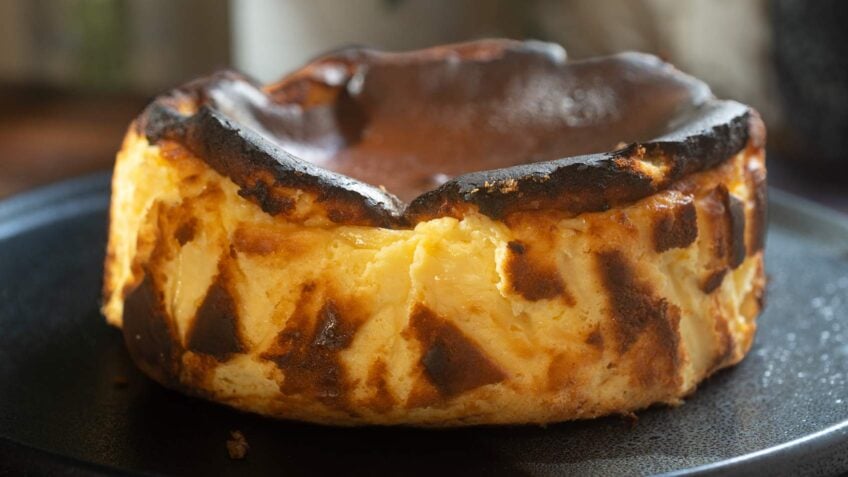
Basque Burnt Cheesecake, also known as San Sebastián cheesecake, is the crustless, deliberately burnt dessert that turns everything you know about cheesecake on its head.
No biscuit base. No water bath. No fussing over cracks.
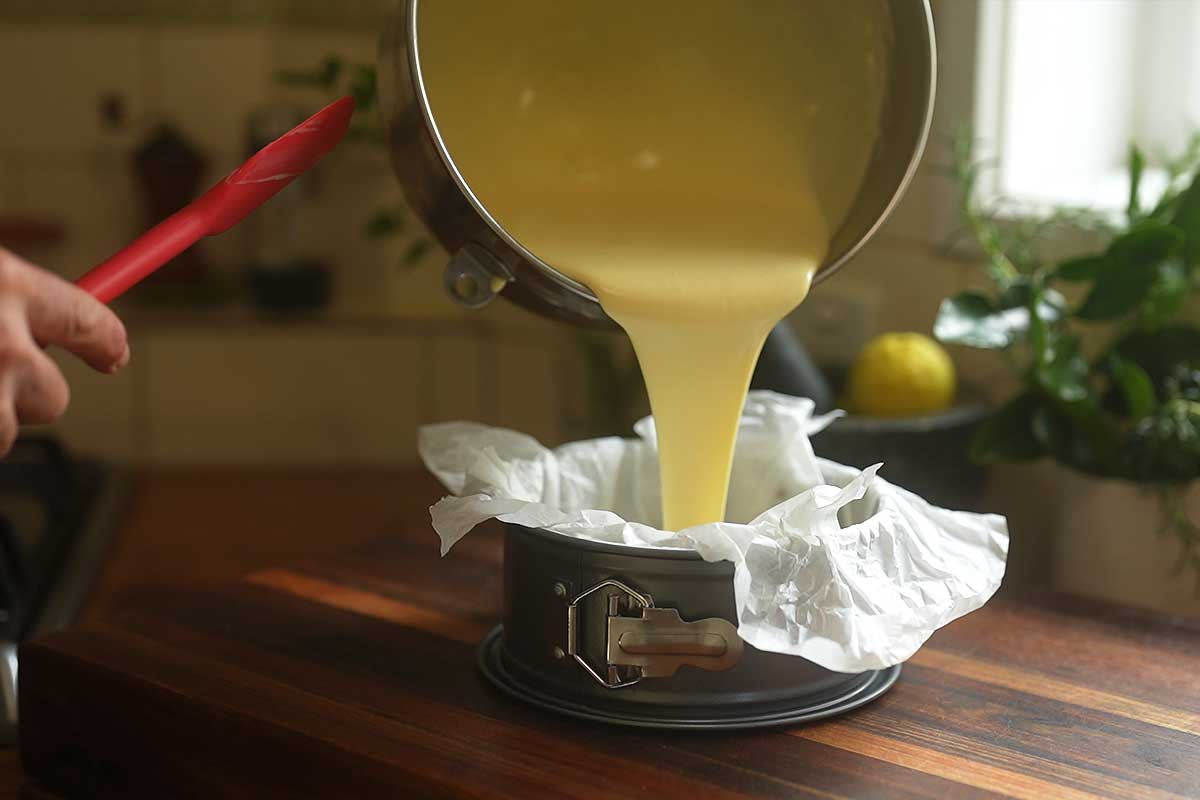
You mix everything in one bowl, pour it into a parchment-lined cake pan and bake it hot and fast until the top turns almost black while the centre stays soft and barely set.
That deep dark caramelised top isn’t a mistake, it’s the whole point.
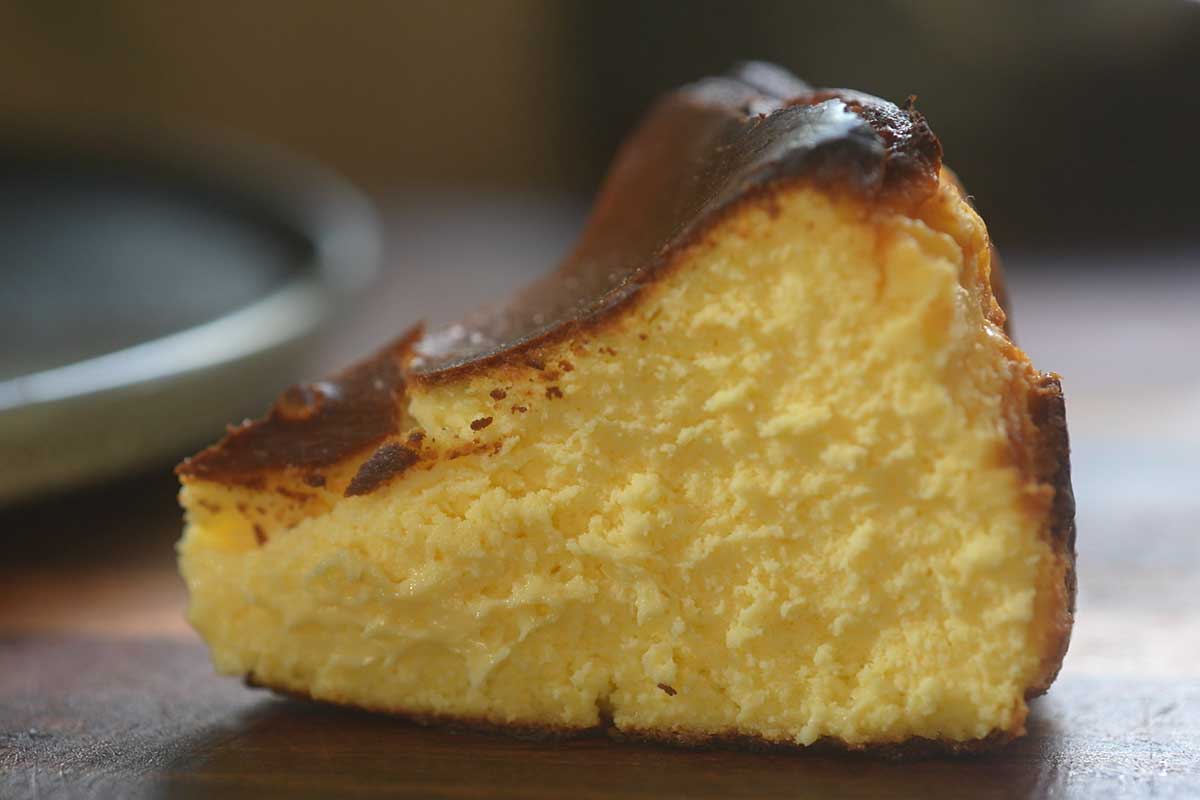
It gives the cheesecake a faint bitterness that cuts through the rich, custardy centre, so every slice tastes lighter than a traditional New York style cheesecake despite being just as creamy.
I like mine darker, but it’s up to you how far you take it. That bitter sweet caramelised smoky flavour is what you want.
No vanilla, no lemon, pure unadulterated cheesecake.
Kenji sat by the oven door the whole bake, convinced something good was about to fall out. Nothing did. But then something magic happened. See video.
Where This Cheesecake Actually Comes From
This isn’t a modern food trend dressed up as tradition.
It was invented in the 1990s at a small pintxos bar called La Viña, tucked into the old town of San Sebastián in Spain’s Basque Country.
The chef there, Santiago Rivera, wanted a cheesecake with no crust and no delicate water bath fuss, something a busy bar could turn out fast and consistently.
He cranked the oven up hot, let the top scorch on purpose, and the result became one of the most copied desserts in the world.
Every proper version still chases that same burnt, almost bitter top with a soft, custardy centre underneath.
The Burnt Top Is the Whole Trick
Most cheesecakes treat a browned top as a mistake to avoid.
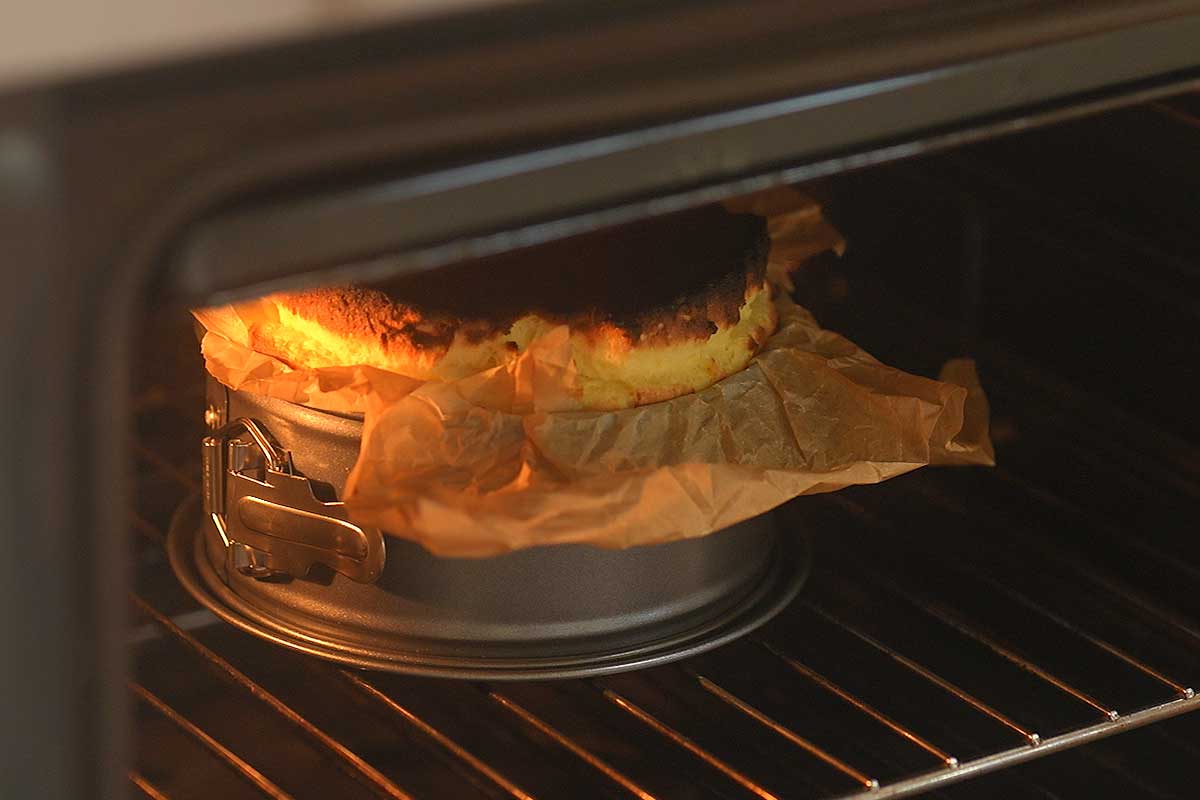
This one goes the other way entirely, using high heat to deliberately scorch the surface into something closer to caramel than cake.
That dark top isn’t just for looks. The sugars on the surface caramelise hard, giving you a faint bitterness that balances the richness underneath.
Without it, this would just be a very rich baked custard. With it, you get contrast in every bite, sweet, smoky and creamy all at once.
Why There’s No Crust and No Water Bath
A traditional cheesecake leans on a biscuit base for structure and a water bath to stop the top from cracking.
This recipe skips both on purpose.
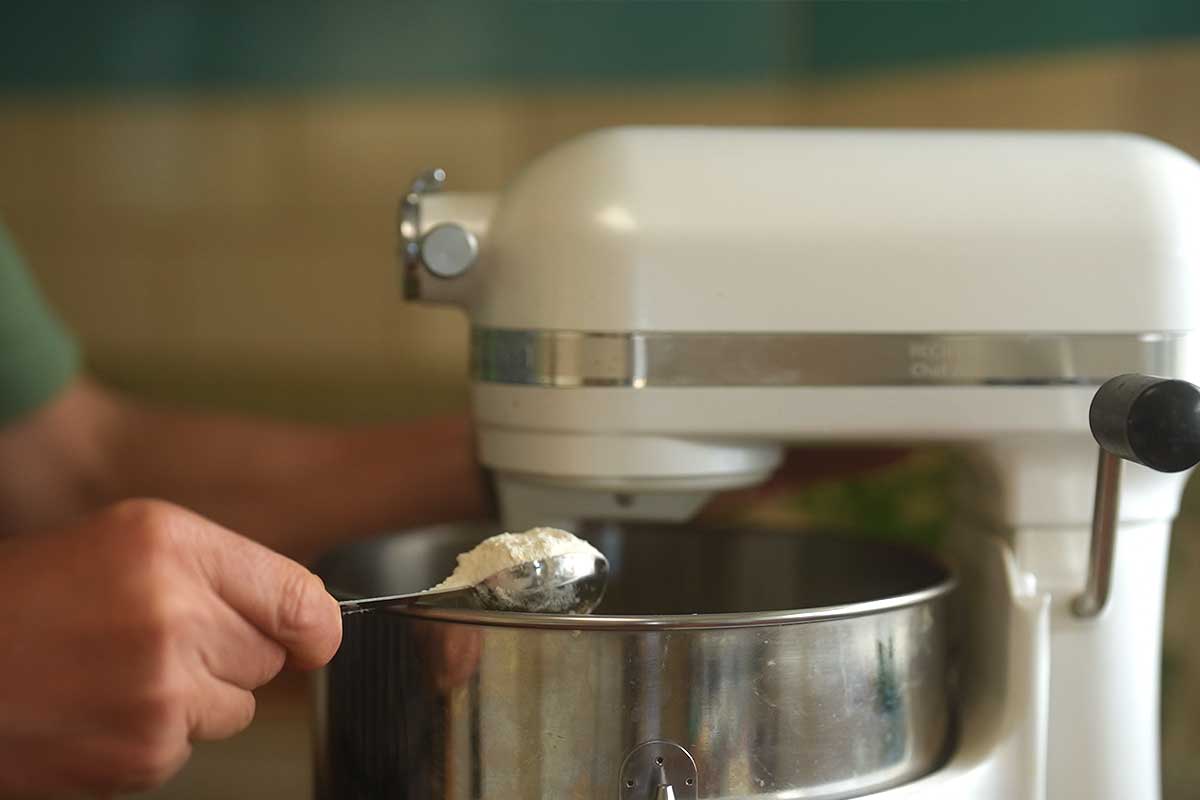
The small amount of flour in the batter is what holds everything together once it cools, so the cheesecake doesn’t need a base to hold its shape.
And because cracking the top is the entire aesthetic here, there’s no reason to babysit it in a water bath.
Cooking Tips
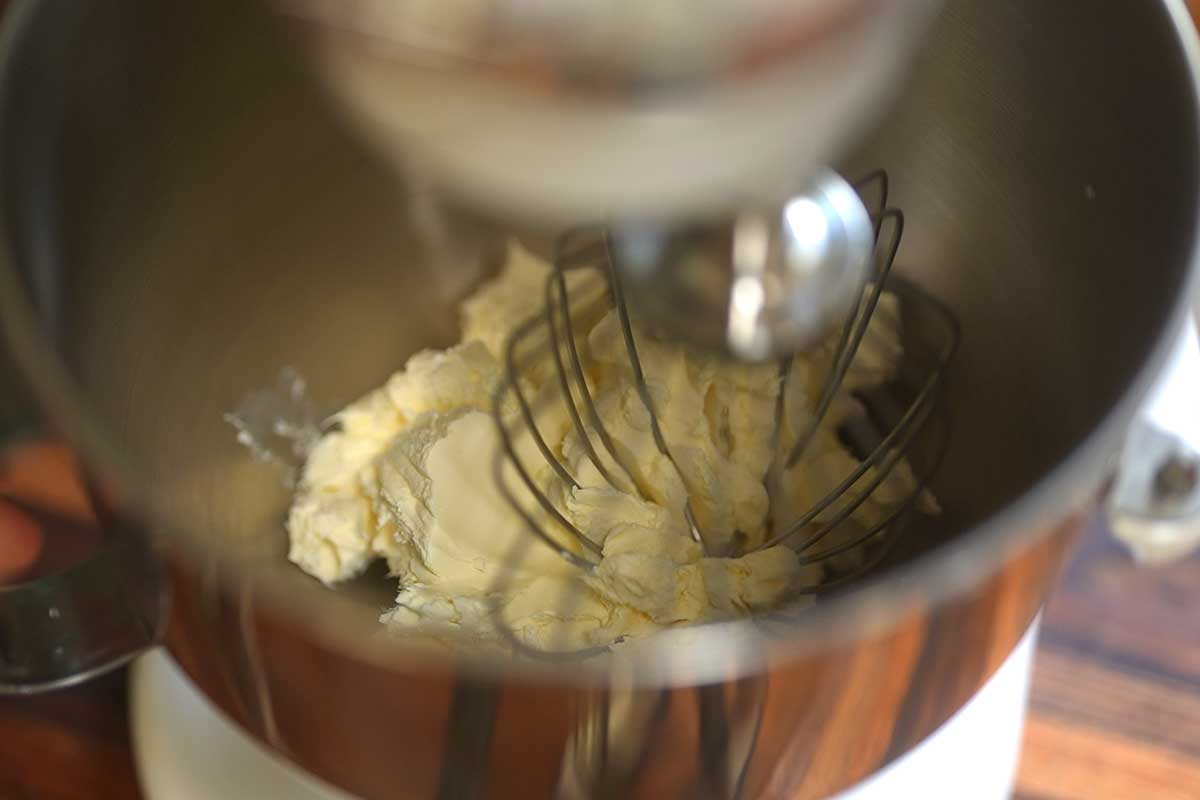
Use full-fat cream cheese at room temperature. Cold cream cheese leaves lumps no amount of whisking will fix. and don’t make the mistake I made trying to mix it by hand. Use an electric stand mixer.
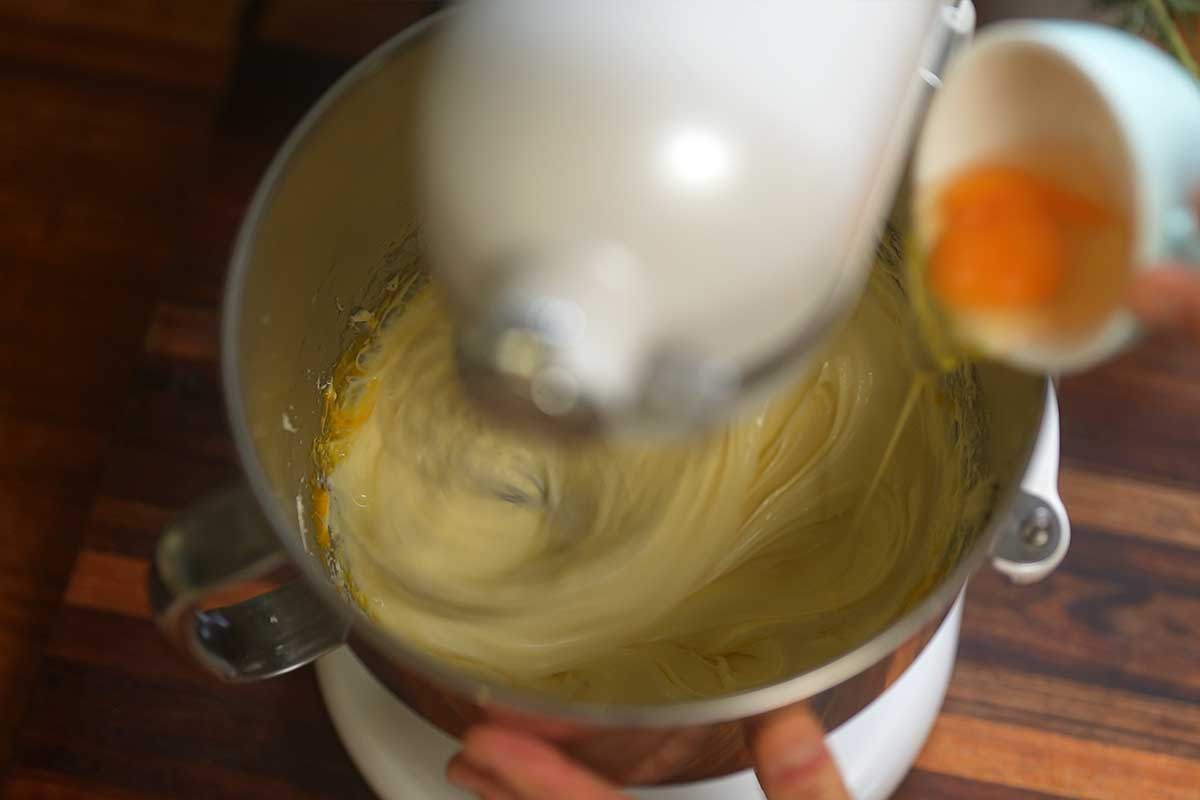
Whisk gently once the eggs go in. You want the batter combined, not full of air bubbles.
Let the batter rest for five minutes before baking, then tap the cake pan on the bench to knock out any large bubbles.
Let the parchment paper stand well above the pan. The batter rises before it sinks back down as it cools.
Trust the wobble. If the centre looks completely set when you pull it out, it’s overbaked.
Every oven browns differently, so watch the top after the 25 minute mark rather than relying on the clock alone.
Let it cool fully in the pan before touching it. It firms up as it cools, and moving it too early will collapse the centre.
Ingredient Swaps
Full-fat cream cheese is essential here, a lower fat version won’t set properly and will taste thin.
You can swap the plain flour for cornflour if that’s what you have on hand, using the same quantity.
Full-fat cream works best, but a thickened cream will also do the job.
Common Mistakes
Baking it until the centre is fully set. That’s the single biggest mistake, and it turns a silky cheesecake into a dry one.
Using cold cream cheese or cold eggs. It won’t blend smoothly and you’ll be left with lumps in the final bake.
Overwhisking the batter once the eggs are in, which traps air and makes the cheesecake puff up too much and then collapse unevenly.
Cutting into it while it’s still warm. Give it time to cool, the texture depends on it.
What to Serve With It
This cheesecake doesn’t need much. A simple slice on its own is how it’s served in San Sebastián.
If you want to dress it up, a spoon of unsweetened whipped cream or a handful of fresh berries on the side works well.
Storage
Keep it covered in the fridge for up to 4 days.
It also freezes well. Wrap slices individually and freeze for up to 2 months, then thaw in the fridge overnight.
Bring it back to room temperature before serving for the softest, creamiest texture.
FAQs
Why is my Basque cheesecake not burnt enough?
Your oven is probably running cooler than the dial says, or the pan was too low. Move it up a shelf and give it a few extra minutes next time.
Is Basque cheesecake supposed to be runny in the middle?
It should have a definite wobble when it comes out, similar to a just-set custard. It firms up as it cools, so don’t mistake wobble for underbaked.
[IMAGE 6: 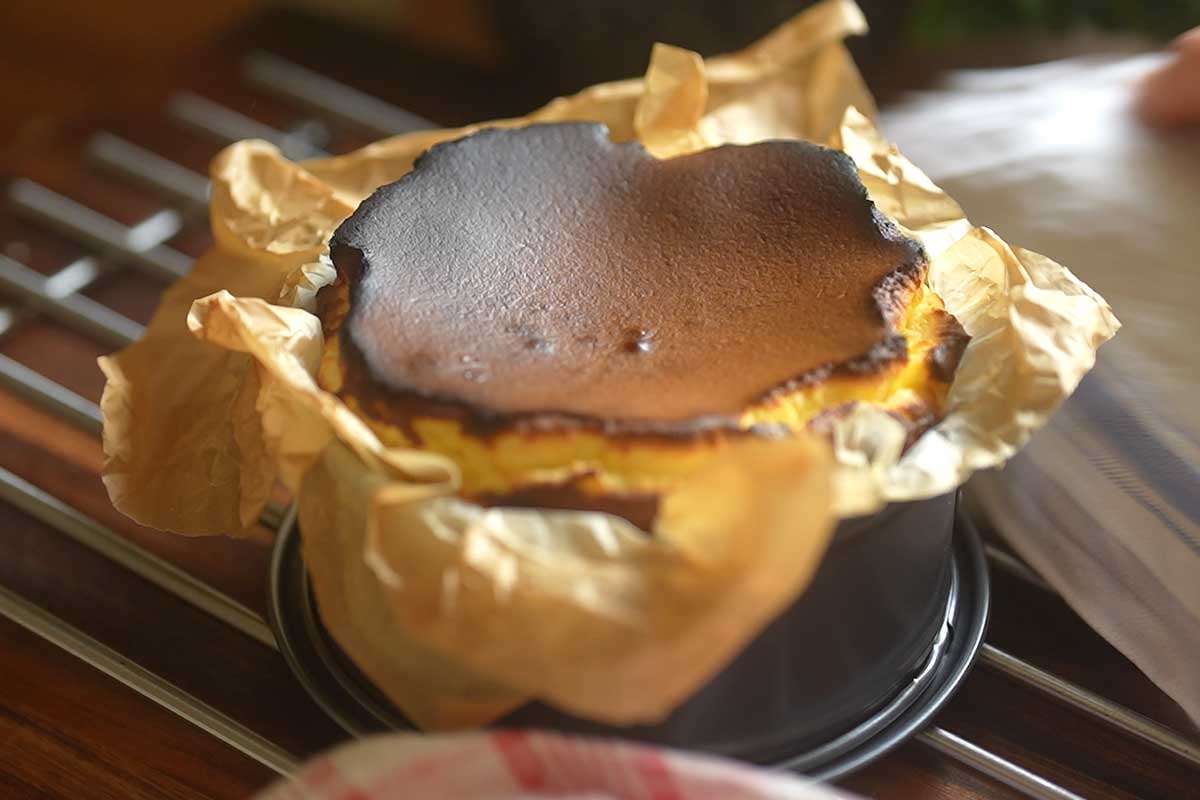 ]
]
Can I make this ahead of time?
Yes, it actually improves after a day in the fridge, once the centre has had time to fully set. I prefer it the day after as in video.
Why did my cheesecake sink in the middle?
That’s completely normal. The high heat puffs it up in the oven, and it sinks back down as it cools, giving it that classic collapsed look.
Can I use a standard pan instead of a springform cake pan?
Yes, a standard pan works fine as long as you line it well with parchment paper, since there’s no crust to hold the batter in on its own.
Give It a Go
Five ingredients, one bowl, and a genuinely stunning result.
It looks like it should be difficult, and it’s one of the easiest cheesecakes you’ll ever make.
 By
By 
You must be logged in to post a comment