
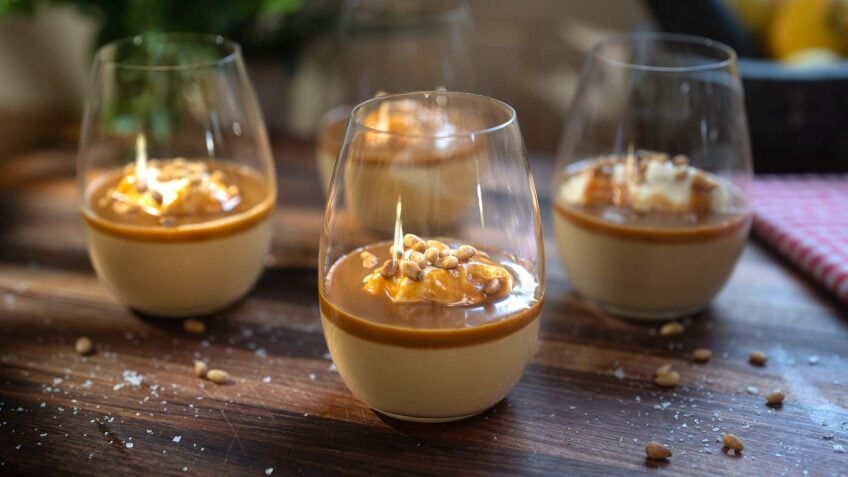
The Italian Custard That Feels Far Fancier Than It Is
Budino. Italian for pudding. But the word once meant sausage. Blood and offal in a casing.
Don’t worry. No brains today.
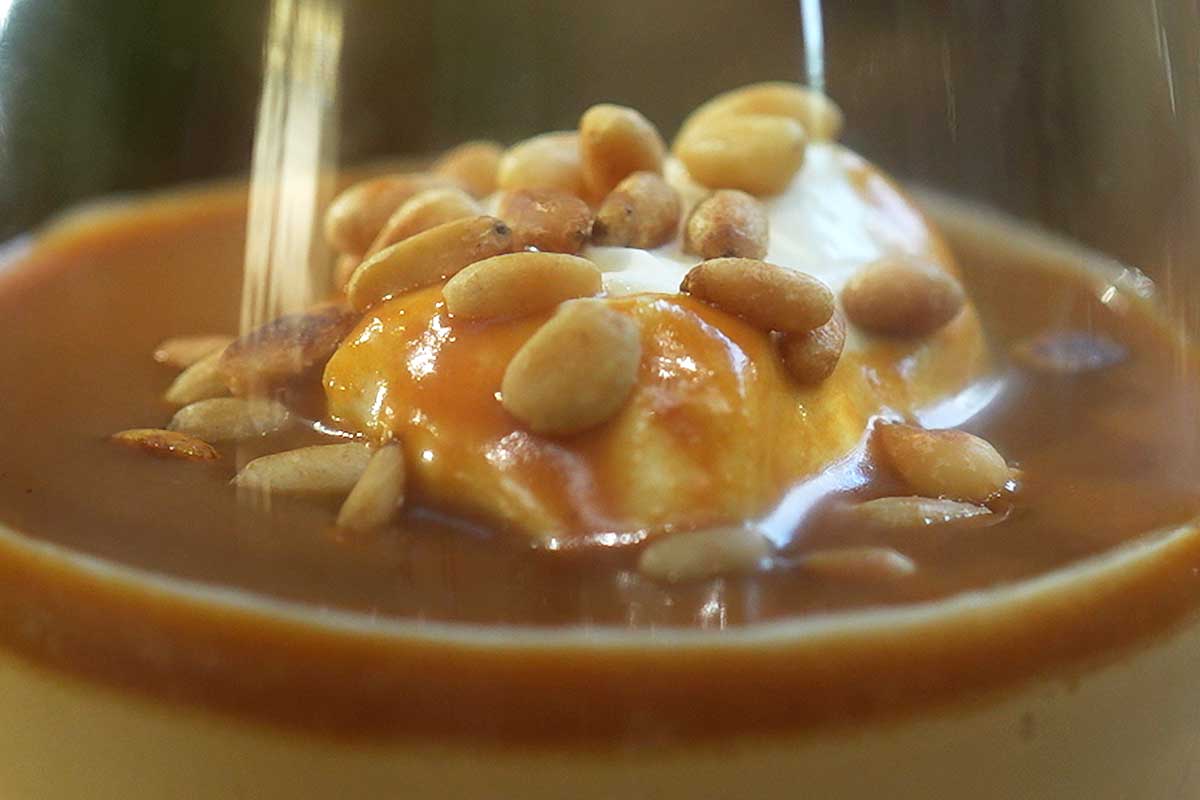
Just caramel, cream, butter, rum and a pinch of sea salt. A deep brown sugar caramel turns into a smooth chilled custard, finished with cream, flaky sea salt and a little crunch on top.
Rich, creamy, salty, sweet and slightly grown-up. The kind of dessert you make ahead, hide in the fridge, then pretend you didn’t already eat one standing at the bench.
What Is a Budino?
Budino is the Italian word for pudding, a broad term that covers everything from custards and creams to chilled set desserts served in glasses.
The Romans set eggs with honey and cream centuries ago. Sometimes fruit was added. Sometimes things we won’t discuss at the table. Over time the dessert evolved into what we know today, a silky, chilled custard made rich with caramel and cream.
The butterscotch version uses dark brown sugar rather than white, which gives the caramel a deeper, molasses-like flavour and a warmth that regular caramel doesn’t quite have.
Why Dark Brown Sugar Makes the Difference
The deep, butterscotch flavour in this dessert comes from the dark brown sugar, not from adding extra ingredients.
Dark brown sugar contains more molasses than light brown sugar, and when it caramelises it takes on a complex, toffee-like depth with a slight bitter edge that balances the richness of the cream perfectly. It’s the same principle as using dark chocolate over milk. More character, more complexity.
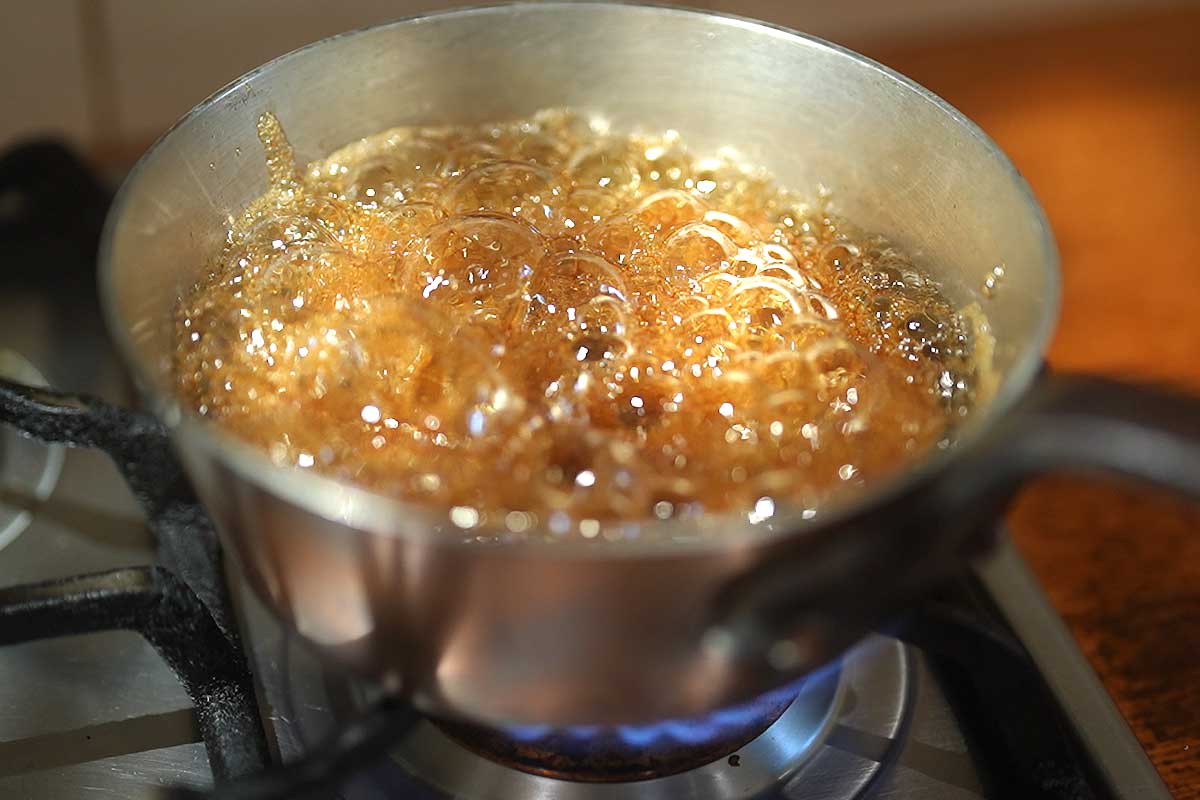
The caramel is ready when it smells deep and nutty, not burnt. Brown sugar is harder to judge by colour than white sugar, so use your nose more than your eyes.
The Tempering Step That Saves the Custard
The most important technique in this recipe is tempering the eggs, and it takes thirty seconds.
If you pour hot caramel cream directly onto cold eggs, the heat shocks them and you get scrambled egg custard. Instead, pour about one cup of the hot liquid slowly into the egg mixture while whisking constantly. This gradually warms the eggs without cooking them.
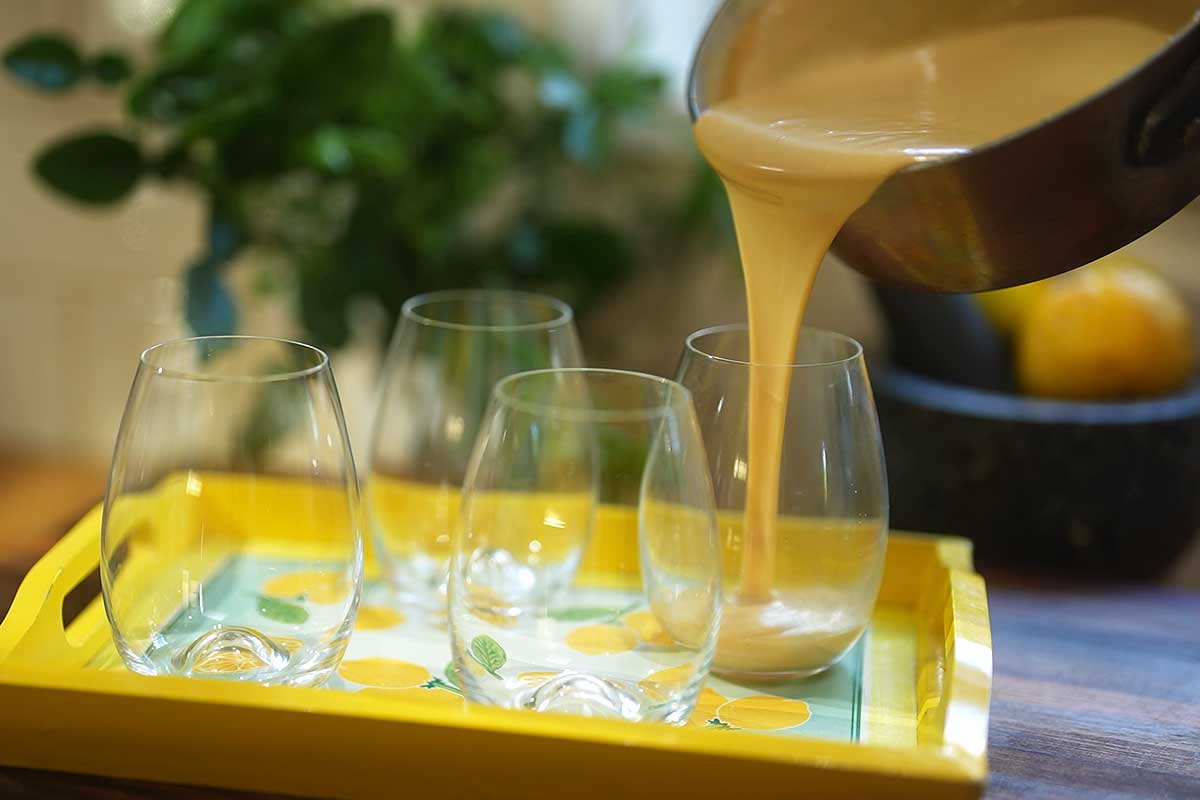
Then pour the warmed egg mixture back into the saucepan and cook until thick. The sieve at the end catches anything that didn’t go perfectly and gives you that smooth, restaurant-quality texture in the glass.
Why the Crème Fraîche Matters
The crème fraîche in the topping is not optional. Without it, the dessert can become too sweet and heavy.
Crème fraîche has a gentle acidity that cuts through the richness of the caramel custard below. Whipped together with cream and a little icing sugar it becomes something light, slightly tangy and perfectly balanced. It lifts the whole dessert in the same way lemon lifts a rich sauce.
Whip it to soft and spoonable, not stiff. You want clouds, not wall plaster.
Cooking Tips
Have the cream and milk mixture ready before the caramel starts. Once the caramel is ready, it won’t wait. Pouring in cold cream straight from the fridge can cause it to seize badly.
Don’t walk away from the caramel. Dark brown sugar caramel has the emotional stability of a film producer before a deadline. It can go from perfect to burnt very quickly. Stay close and watch it.
When the cream hits the hot caramel it will bubble, steam and may seize slightly. That’s completely normal. Keep whisking firmly and it will smooth out.
If unsure of smoothness, you can strain through a fine sieve before pouring into glasses. At home I don’t do it as I mix ingredients well in advance. This is the step that separates a home pudding from a restaurant one. Takes ten seconds and makes a visible difference.
Chill for at least four hours. Overnight is better. The texture goes from loose custard to set, silky and properly sliceable the longer it chills.
The Salted Caramel Sauce
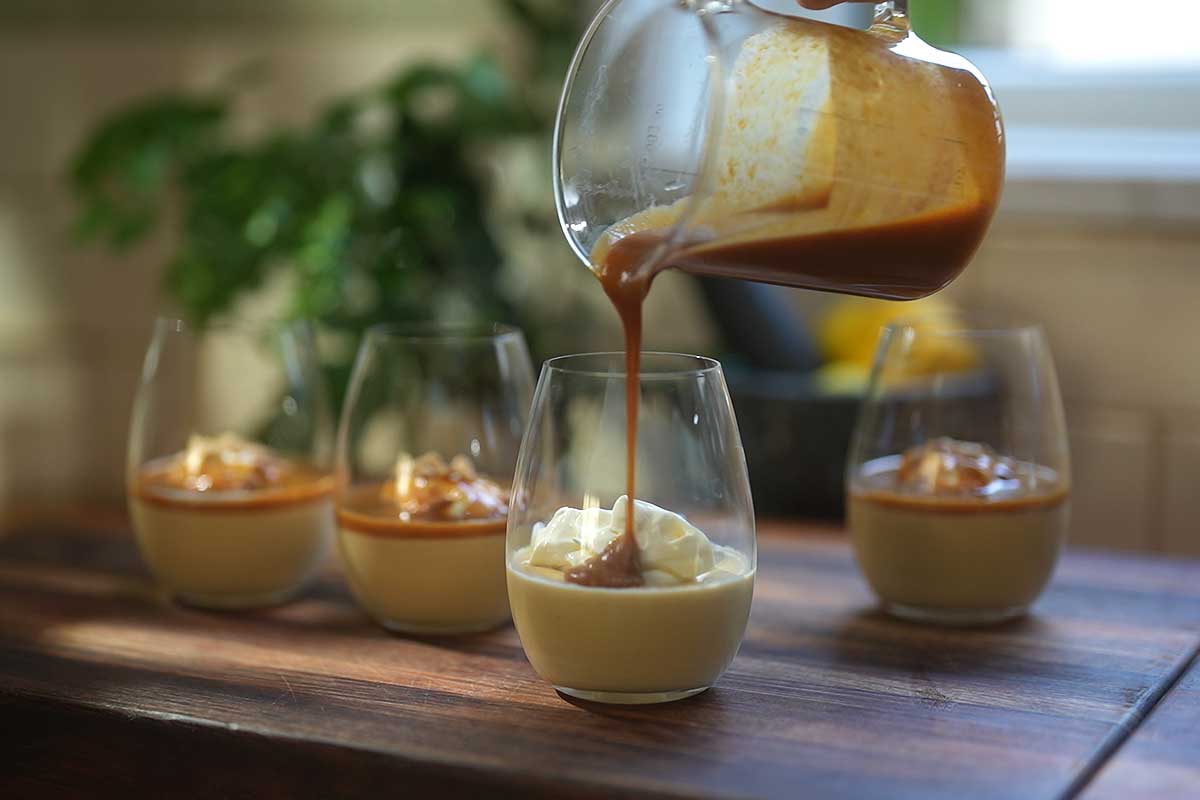
The salted caramel sauce that goes between the custard and the cream topping is a separate recipe but worth making. It only takes ten minutes and keeps in the fridge for weeks.
Use warm cream when you add it to the caramel. Warm cream stops the caramel from seizing as dramatically as cold cream does. If it does go lumpy, put it back on low heat and whisk until smooth. It almost always comes back.
Cook it until deep amber without stirring, only gentle swirling. Stirring causes crystallisation.
Ingredient Swaps
No dark rum? Bourbon gives a similar warm, slightly smoky depth. Or leave the alcohol out entirely and add an extra half teaspoon of vanilla extract.
No crème fraîche? Sour cream works as a substitute in the topping. It has a similar gentle acidity. Full fat only.
No pine nuts? Crushed shortbread biscuit on top gives a buttery, sandy crunch that works beautifully with the caramel. Toasted almond flakes are another good option.
No dark brown sugar? Light brown sugar works but gives a milder, less complex flavour. The dessert will still be delicious, just slightly less deep.
Common Mistakes
Not tempering the eggs. Pouring hot liquid directly onto cold eggs scrambles them. Always add the hot liquid gradually while whisking.
Skipping the sieve. Lumps happen. The sieve catches them all and gives you the smooth, glossy texture that makes the dessert look as good as it tastes.
Overwhipping the cream topping. It should be soft, spoonable and cloud-like. Once it starts looking stiff and grainy, it’s gone too far.
Not chilling long enough. Four hours is the minimum. The budino needs time to properly set and the flavour deepens significantly overnight.
Storage
Fridge: The budino keeps beautifully for up to 3 days covered in the fridge without the cream topping. Add the topping fresh just before serving.
The salted caramel sauce keeps in the fridge for up to 2 weeks. Reheat gently before using as it thickens considerably when cold.
Do not freeze. The custard texture becomes grainy and watery after freezing.
FAQs
What is the difference between budino and panna cotta?
Panna cotta is set with gelatine and has a firm, slightly wobbly texture that unmoulds cleanly. Budino is set with eggs and cornflour, giving it a creamier, softer, custard-like texture that’s served in the glass rather than turned out. Both are Italian chilled desserts but they have quite different textures and methods.
Can I make this without alcohol?
Yes. Leave the dark rum out completely and add an extra half teaspoon of vanilla extract. The rum adds a warm, slightly smoky note in the background but the dessert is excellent without it.
Why does my caramel seize when I add the cream?
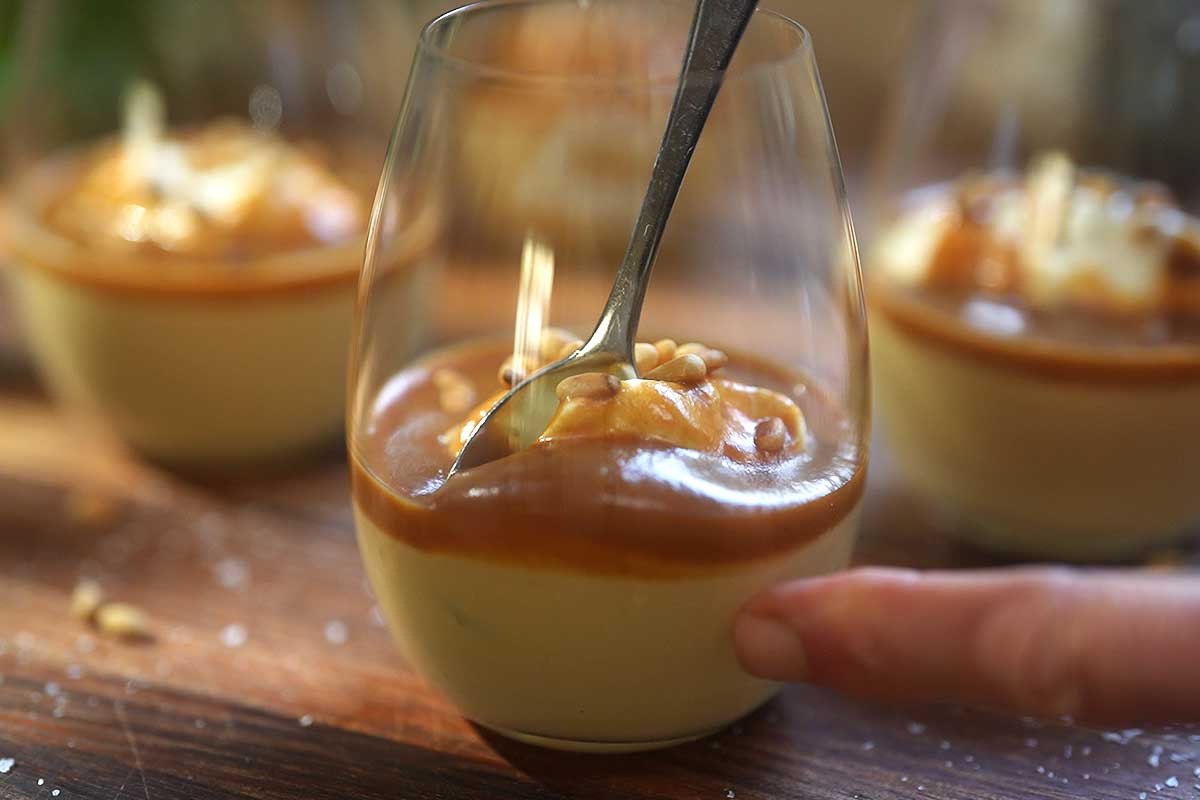
Cold cream hitting very hot caramel causes it to harden suddenly. Using cream that’s at room temperature or gently warmed reduces this dramatically. If it does seize, keep whisking over low heat and it will melt back into a smooth sauce.
Can I make this ahead for a dinner party?
It’s the ideal make-ahead dessert. Make the budino the day before and keep it covered in the fridge. Make the salted caramel sauce ahead too. Whip the cream topping and assemble the glasses just before serving. Nothing to do at the last minute except add the flaky sea salt on top.
What glasses should I use?
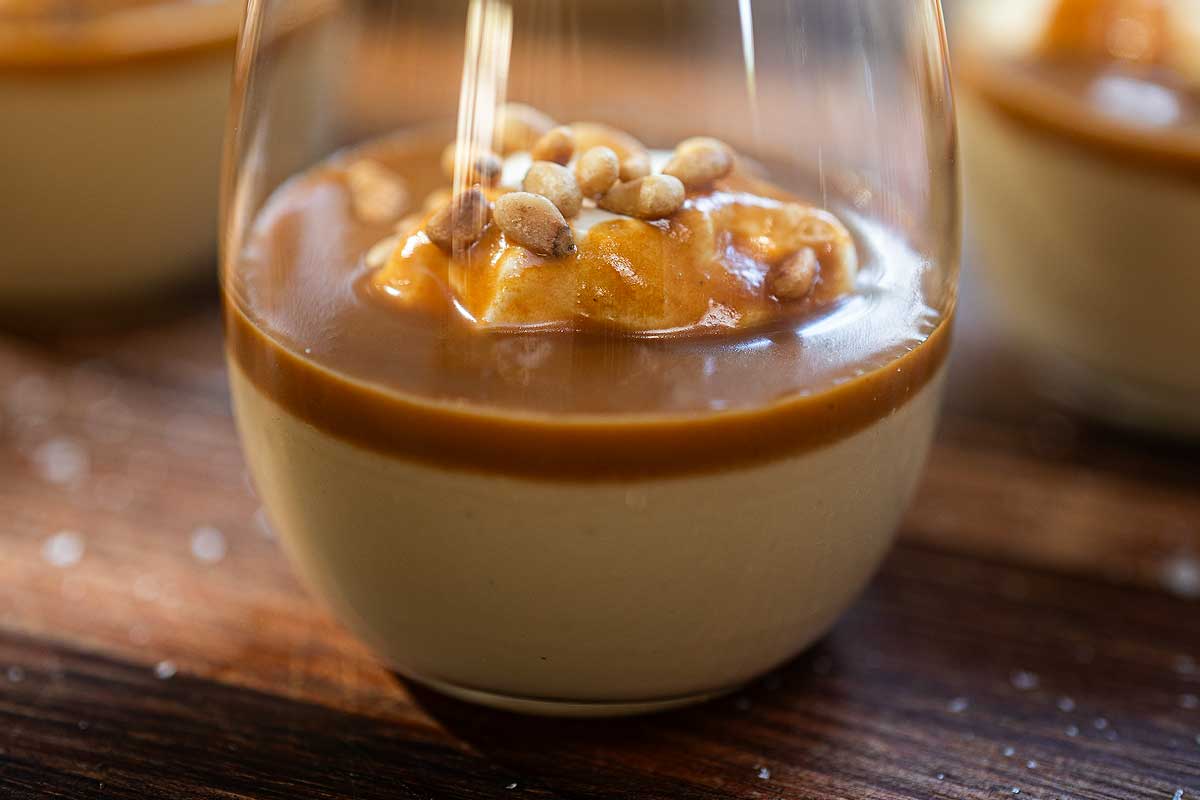
Small tumblers, wine glasses or ramekins all work beautifully. The dessert looks best in a clear glass so you can see the layers of custard, caramel sauce and cream. Aim for something that holds around half a cup to three quarters of a cup for the right portion size.
The Dessert Best Eaten Secretly From the Fridge
Butterscotch budino is one of those rare desserts that gets better the longer it sits.
Make it the night before, let it chill properly, and by the time you serve it the flavours have deepened and the texture has set into something genuinely silky and special.
The tiny flakes of sea salt on top at the end are your money shot. They make the whole thing look like something from a serious restaurant. They also make it taste better. Never skip the salt.
 By
By 
You must be logged in to post a comment