

Crispy Potato Gems, the Homemade Tater Tot
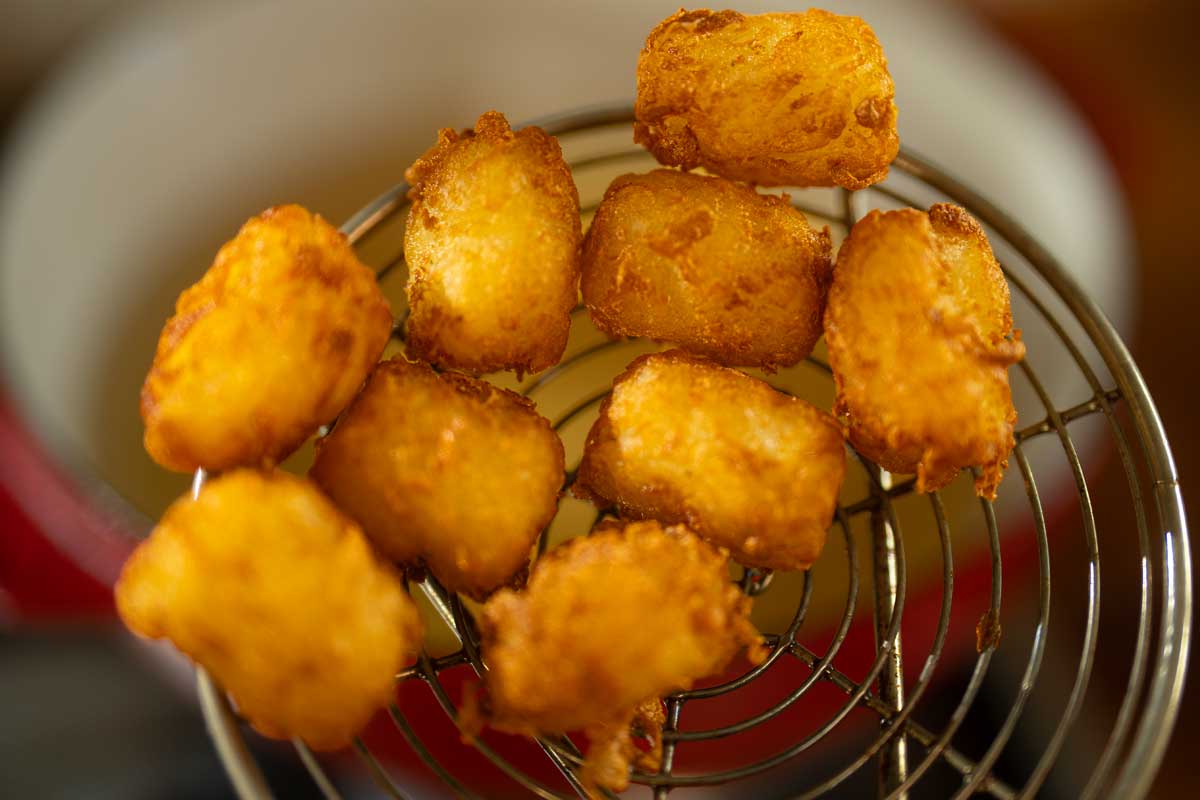
Potato gems are the homemade version of tater tots, and they beat anything from a frozen bag.
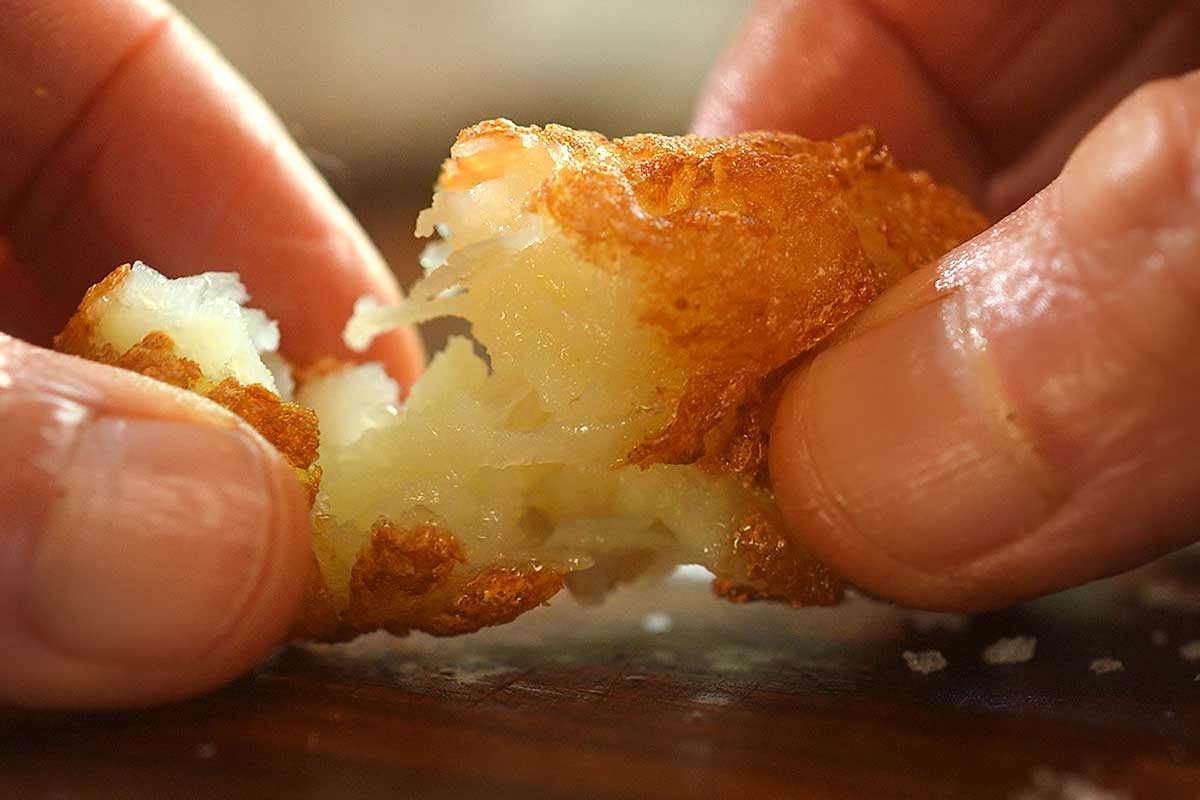
Crisp outside, fluffy inside, and made from one ingredient you already have.
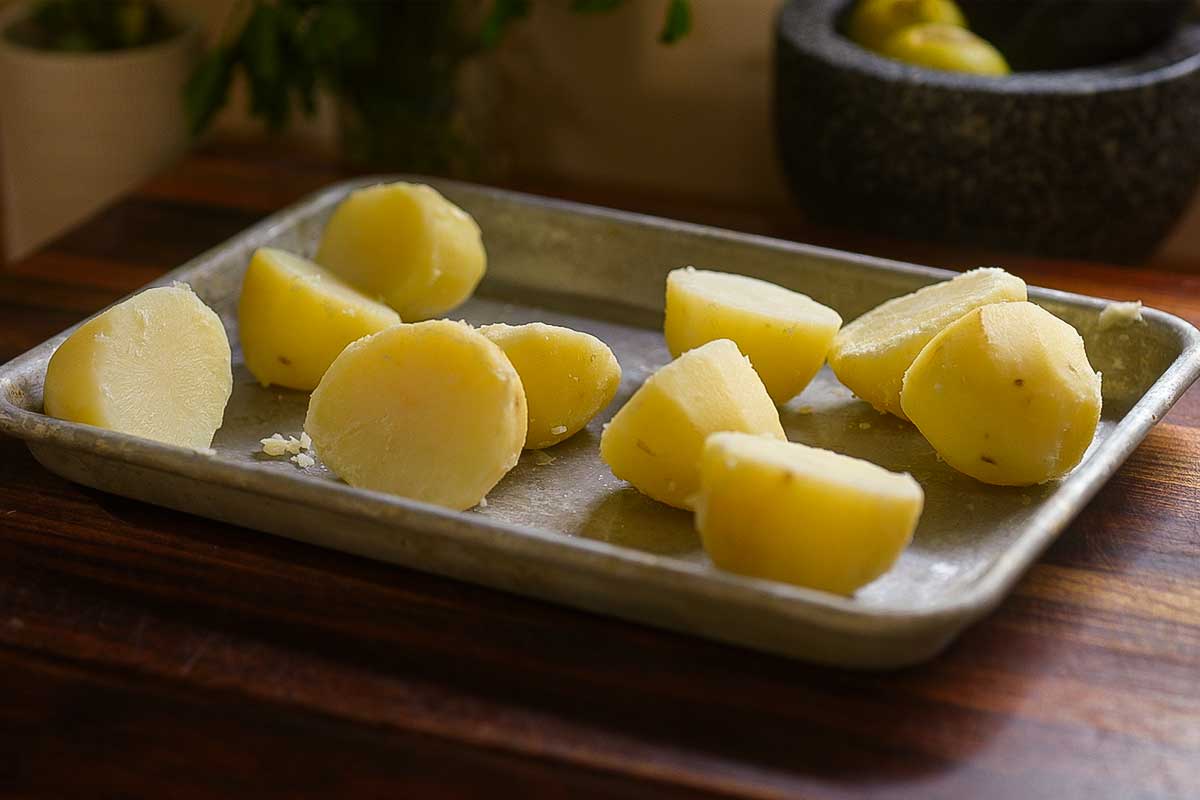
The trick is the method. Boil starchy potatoes like Sebago or Russet until just tender on the outside but firm in the centre, then chill them completely.
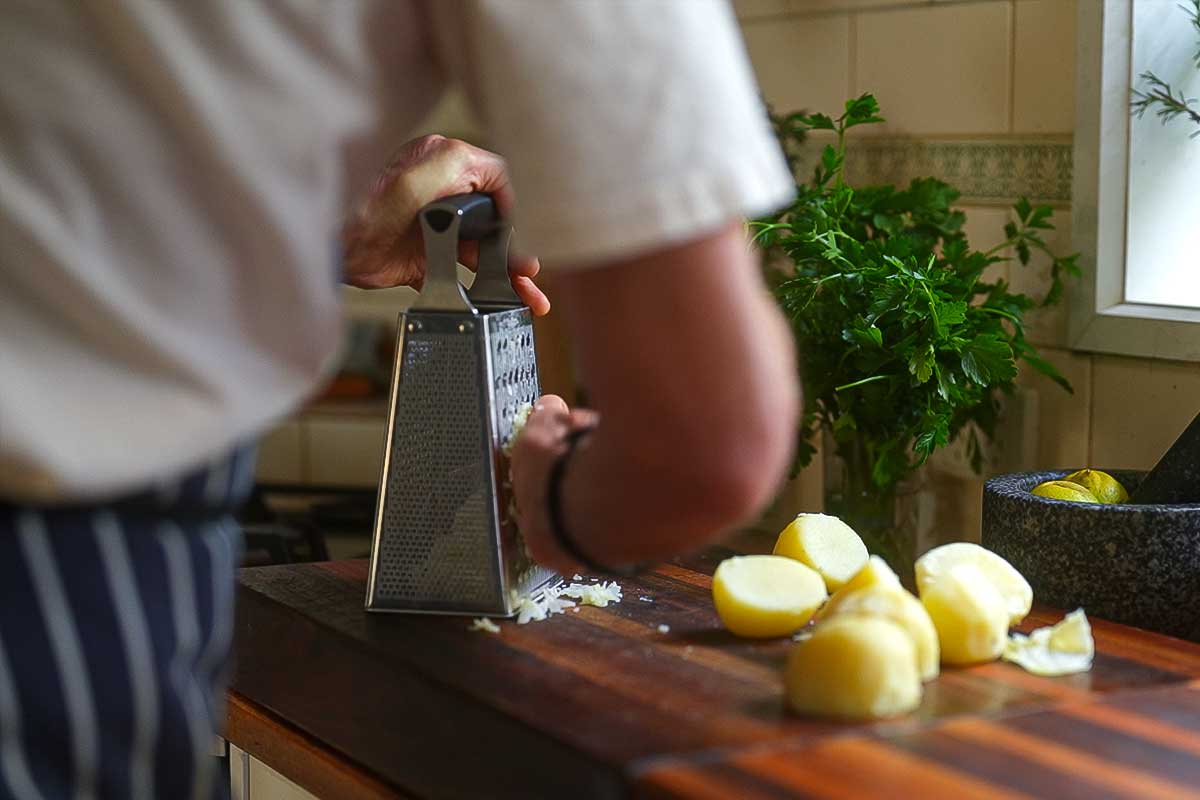
Grate them on the large holes of a box grater. Cold potato stays light and loose, so you get fluffy centres instead of gluey ones.
A little cornflour (cornstarch) holds it together, and a little garlic and onion powder does the seasoning.
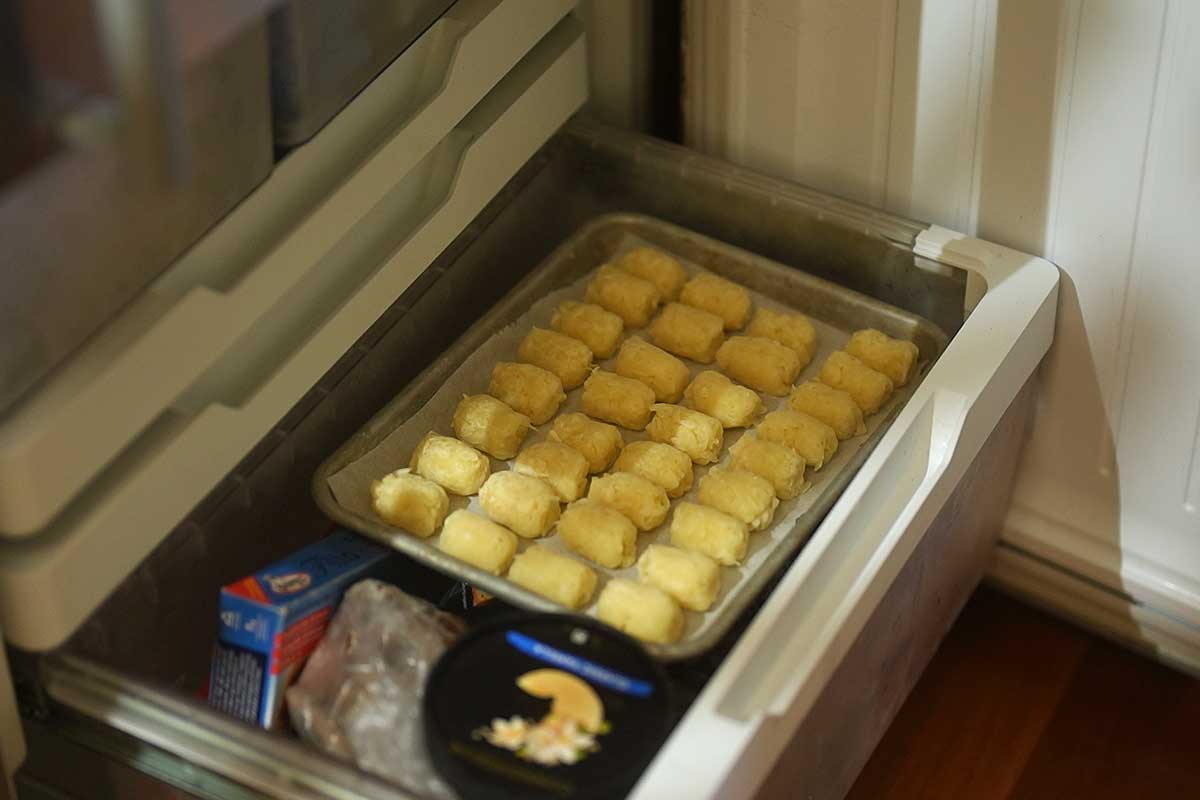
Press them into small round pillows, freeze them solid, then cook straight from frozen. That freezing step is what stops them falling apart.
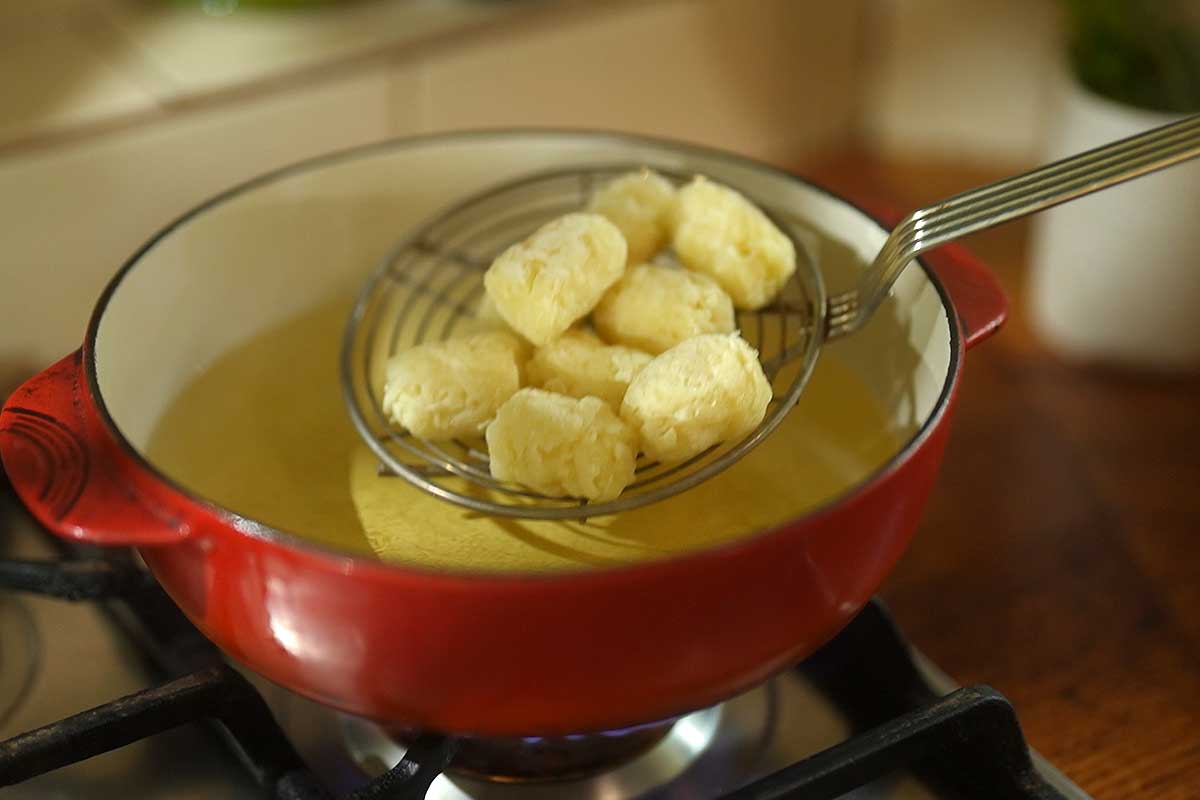
You can bake them at 430°F / 220°C, air fry at 400°F / 200°C, or deep fry at 350°F / 180°C. Whichever suits your night.
Make a big batch, triple this recipe. They keep in the freezer, and nobody has ever regretted that.
Give it a go.
What Are Potato Gems?
Potato gems are small, crunchy potato nuggets. In Australia and New Zealand we call them gems, and in the US and Canada they are tater tots.
Same idea, same crunch. The only real difference is the name.
Making them at home takes a little planning, but you control everything that goes in.
Here that means potatoes, cornflour, fine sea salt and a little seasoning. Nothing you need to Google.
Why Cold Potato Is the Whole Secret
Warm potato is soft and sticky. Cold potato is firm, so it grates into separate shreds instead of mush.
As the potato cools, its starch firms up and holds its shape. That is why the centres stay fluffy instead of turning into paste.
Letting the drained potatoes steam dry in the hot pot helps too. Less surface water means a crisper gem.
Sebago is a popular all-rounder in Australia. Russet is the closest match in the US and Canada.
Why You Freeze Them First
Freshly shaped gems are fragile. Frozen solid, they hit the heat and crisp on the outside before they have a chance to fall apart.
It also means you can cook them straight from frozen. No thawing, no waiting.
Thawing makes them soggy and delicate, so leave them frozen right up until they hit the oil or the oven.
Cooking Tips
Cut the potatoes into equal chunks so they cook evenly. Pull them when the outside is tender but a knife still meets firm resistance in the centre.
Chill them completely. A few hours works, overnight is better.
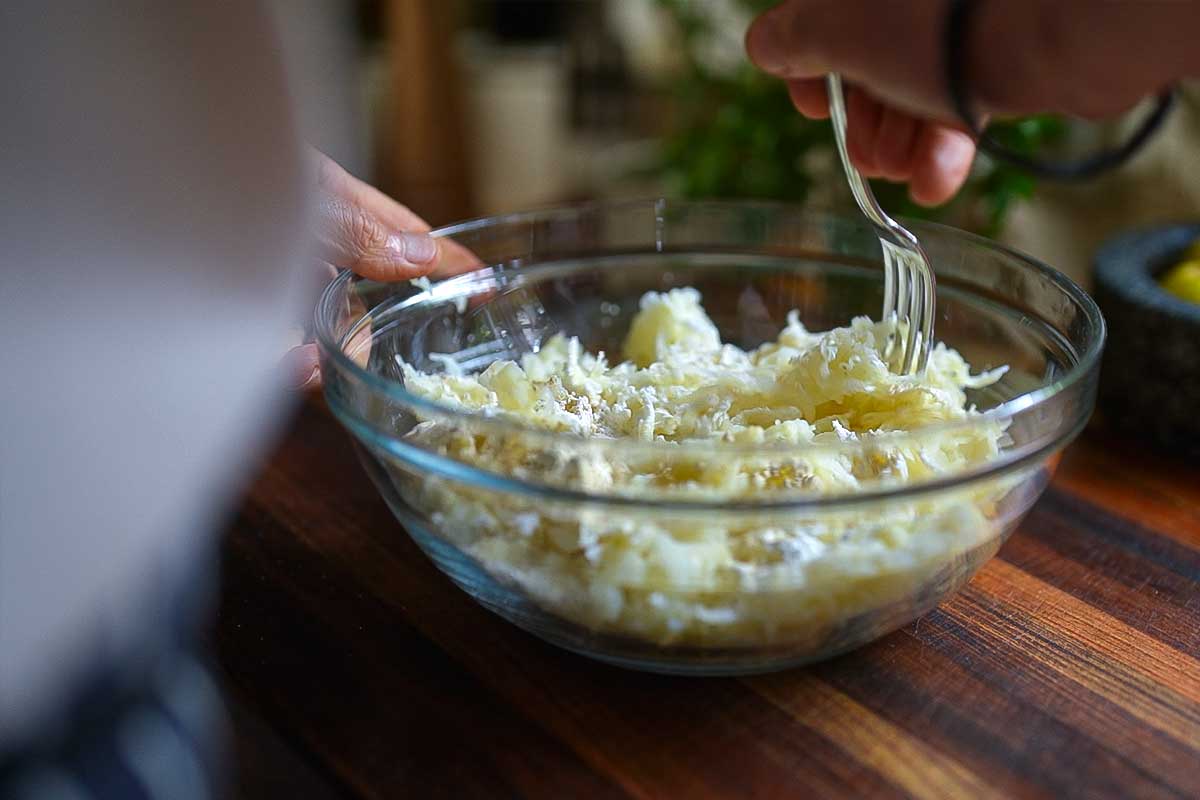
Keep the shreds light and loose. Do not squeeze or crush them as you mix.
Start mixing with a fork, then switch to loose fingers. Gentle wins here.
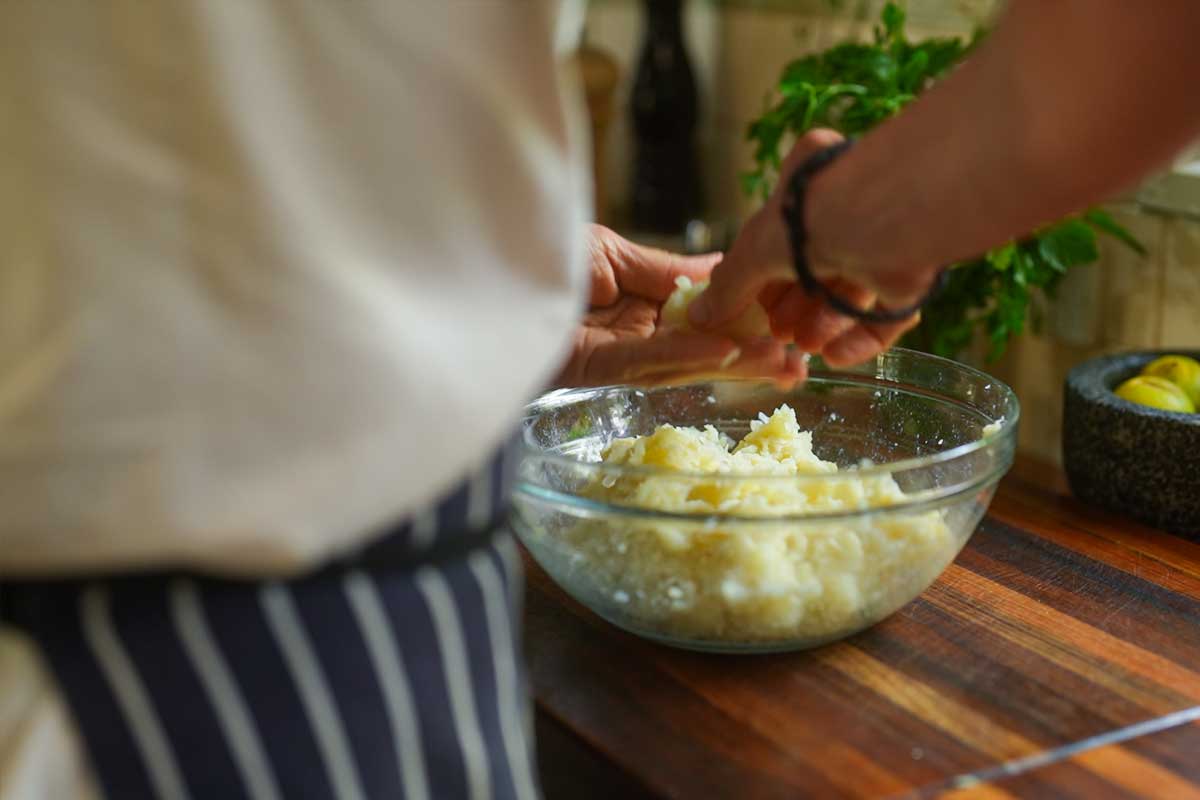
Press each gem firmly into a compact shape and pinch it together. This is what holds them in one piece.
Freeze for at least 2 to 3 hours, or overnight if you can. Leave a little space between them on the tray.
For baking, toss the frozen gems with olive oil and add a little more if they still look dry. For the air fryer, mist them generously with oil.
Season with fine sea salt the moment they come out, while they are piping hot.
Ingredient Swaps
No Sebago? Russet works well in the US and Canada, and Maris Piper is a good option in the UK.
Cornflour (cornstarch) is the binder here. Potato starch will do the same job, and plain flour works in a pinch, though the gems may be a little less crisp.
Garlic and onion powder are optional. Leave them out for a plain gem, or try smoked paprika for something warmer.
A spoonful of finely grated parmesan adds salty flavour if you want it.
For deep frying, use any neutral oil. Save the olive oil for baking.
Common Mistakes
Grating warm potato. It turns gluey and the gems go dense.
Overcooking the potatoes. If they are soft all the way through, they will turn to mush when grated.
Shaping them too loosely. Press firmly, then freeze.
Thawing them first. Cook from frozen every time.
Crowding the tray or the pot. Packed gems steam instead of crisp, so give them room.
Letting the oil drop too low. Keep it at 350°F / 180°C so they fry rather than soak.
What to Serve With It
Tomato sauce is the classic, and it works every time.
Garlic aioli, sour cream and chives, or a curry mayo are all worth a try.
They sit well next to burgers, crumbed fish, steak, or a big weekend breakfast with eggs.
They are also a very good snack straight off the tray.
Storage and Reheating
Freeze the shaped gems on a lined tray first. Once solid, move them to an airtight container or freezer bag.
They keep well in the freezer for a few months, so triple the batch and thank yourself later.
Cooked leftovers keep in the fridge for a day or two. Reheat in the oven or air fryer at 400°F / 200°C until crisp again.
Skip the microwave. It makes them soft.
FAQs
Can I skip the freezing step?
I would not. Freezing is what holds the gems together when they hit the heat.
Do I need to thaw them before cooking?
No. Cook them straight from frozen for the best crunch and the best shape.
Why did my gems fall apart?
Usually the potatoes were overcooked, still warm when grated, or not pressed firmly enough. Not freezing them long enough can do it too.
Which cooking method is best?
Deep frying is the crispiest and fastest. Baking is the easiest, and the air fryer sits nicely in between.
Can I use leftover mashed potato?
It is a different texture. This recipe relies on grated cold boiled potato for that light, fluffy centre.
Can I make them ahead?
Yes, that is the whole point. Shape them, freeze them, and cook only what you need.
What is the difference between potato gems and tater tots?
Mostly the name. Gems are what we call them in Australia and New Zealand, and tater tots is the US and Canadian name.
Make a Big Batch
Potatoes, a little cornflour, and a freezer. That is all it takes to beat the bag.
Triple the recipe, and you will always have something crispy waiting.
 By


You must be logged in to post a comment