

French Chicken in a Pot with Dijon Cream Sauce
Some dishes shout. Poule au pot whispers, and somehow that makes it louder.
A whole chicken, a pot of leeks and carrots, and a liquid that barely moves for an hour. That’s it.
The kitchen fills with the smell of thyme, clove and sweet leek. By the time you lift the lid, you’ve made dinner, a sauce and a week’s worth of golden stock.
This is my modern version, built for the chicken you can actually buy today. One pot. Two meals. Pure French comfort.
The King’s Chicken
Henri IV ruled France from 1589 to 1610. He’s credited with wanting every peasant in his kingdom to have a chicken in the pot every Sunday.
The line was written down by his biographer, Hardouin de Péréfixe, around fifty years after the king died. So it may be a little bit of royal PR. But it stuck.
Henri was born in Pau, in the Béarn region near the Pyrenees. That’s still the spiritual home of the dish, where it’s often stuffed with ham, breadcrumbs, garlic and the chicken’s own liver.
The word “poule” means hen, not just any chicken. Back then it was an old laying bird that had finished its job, tough as boots and full of flavour.
Why a Modern Chicken Changes Everything
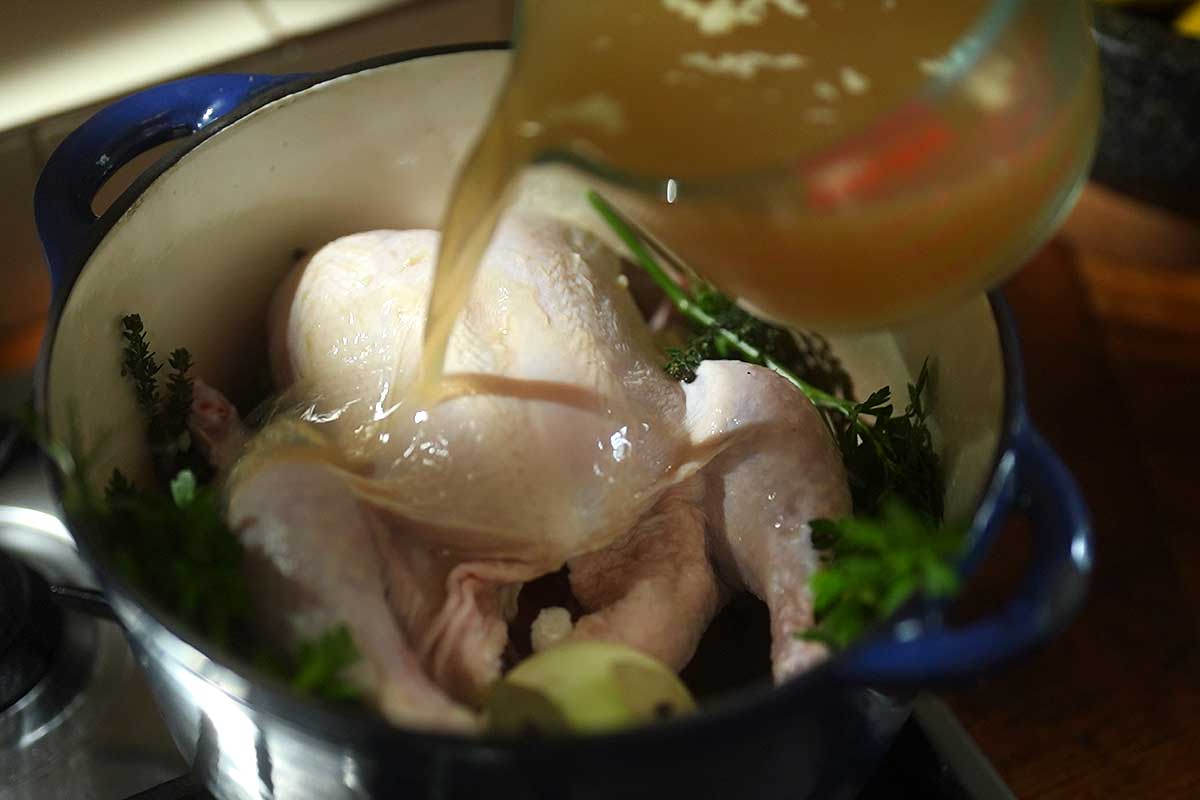
An old hen is packed with connective tissue. It needs three or four hours of poaching to turn that collagen into gelatin and become tender.
A supermarket chicken is young, usually only six to eight weeks old. Give it three hours and the breast turns to dry string.
So this version cooks in about an hour. The vegetables go in later, in stages, so nothing turns to mush.
The carrots, turnips and celery need longer, so they go in first. The leeks are the most delicate, so they go in last.
The Secret Is a Pot That Barely Trembles
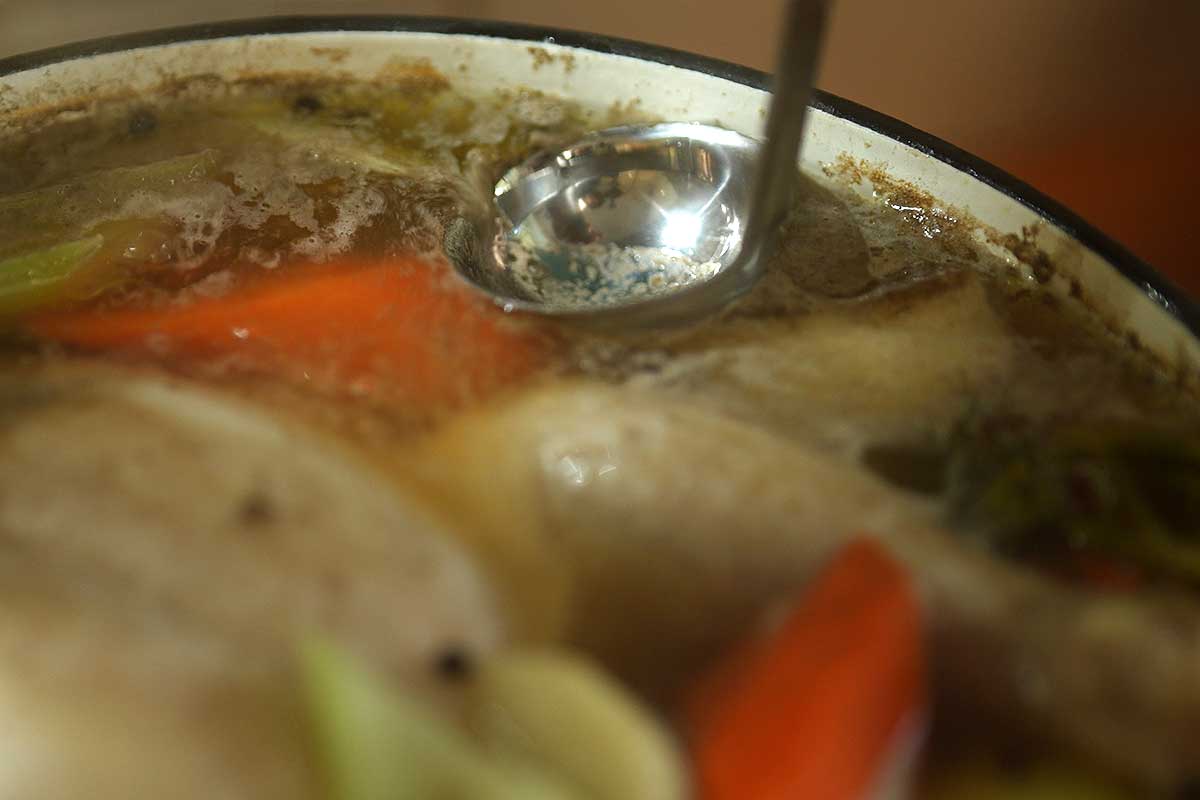
This is the whole trick. The liquid should shiver, not bubble. Think around 185°F / 85°C, well under boiling.
Breast meat starts squeezing out its juice once it goes much past 160°F / 70°C. Hard boiling pushes it there fast and keeps going.
Boiling also churns the fat and tiny bits of protein back into the liquid. That’s what makes stock cloudy and greasy.
A gentle poach lets the fat float up and the impurities rise as foam. Skim them off and you get a stock that’s clear and golden.
![Carrots, turnips and celery being added to the pot around the chicken]](https://b3067249.assetcdn.net/2.0/3067249/wp-content/uploads/2026/10/Modern-Poule-au-Pot4.jpg?lossy=0&strip=1&webp=1)
The Sauce Has a Proper French Name
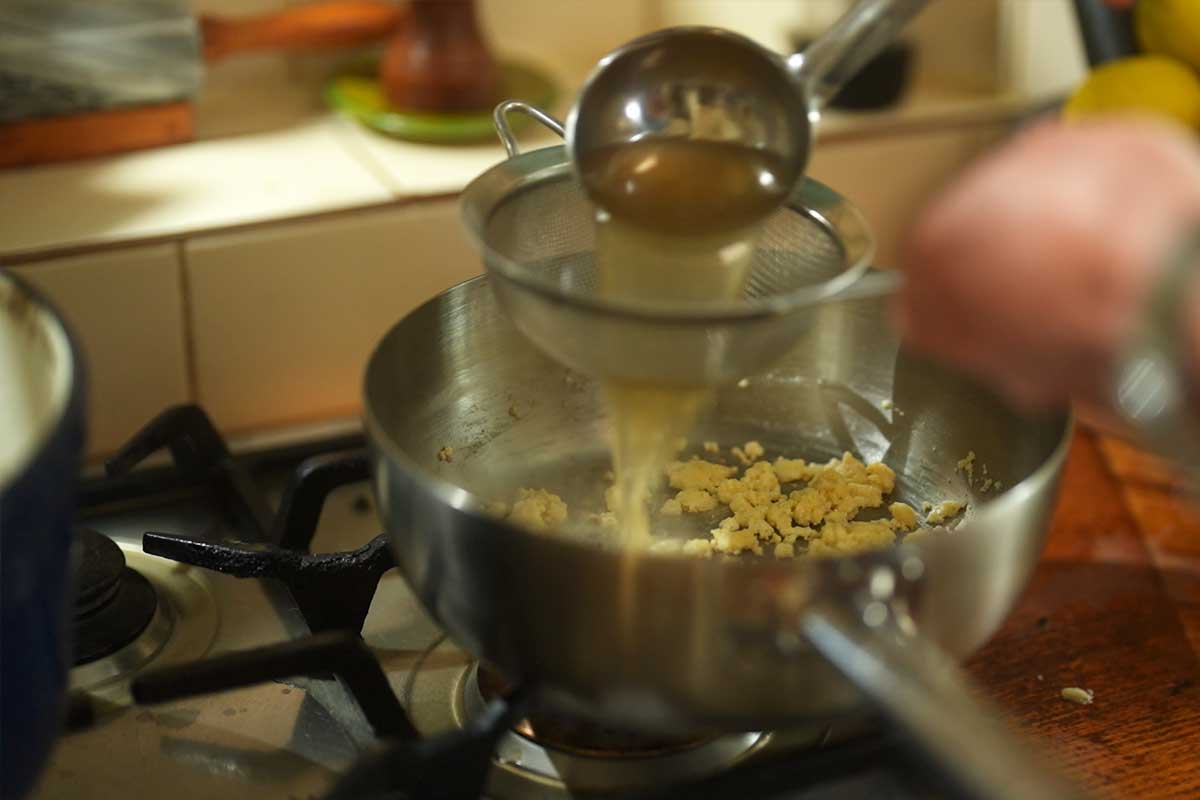
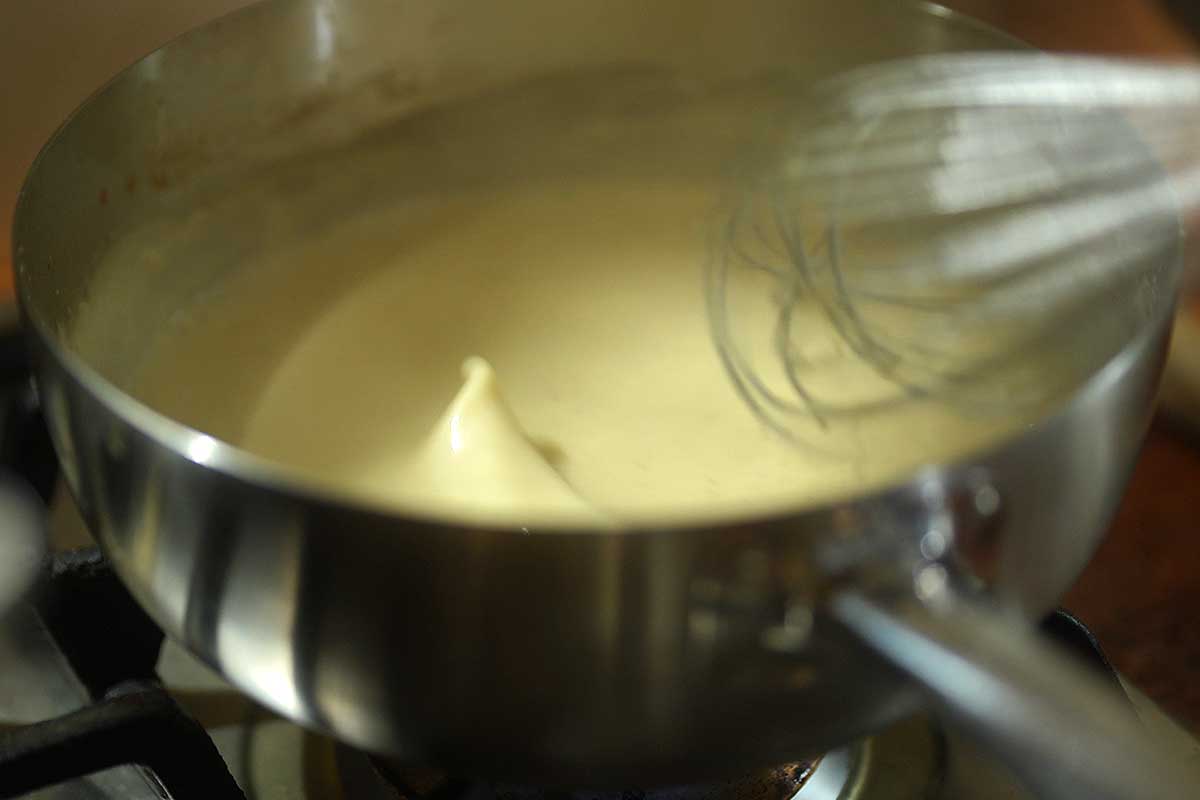
Butter and flour cooked without colour, then whisked with chicken stock, is a velouté. It’s one of the classic French mother sauces.
Add cream and it becomes sauce suprême, the traditional partner for poached chicken. The Dijon and lemon are my little lift on top.
Here’s a nerdy one. Mustard’s heat comes from a compound that’s released when the seed is crushed, and heat breaks it down.
That’s why the Dijon goes in near the end and the sauce never boils hard. Boil it and the mustard goes flat and a bit bitter.
Cooking Tips
Use a pot that fits the chicken snugly. Less space means less liquid, which means a stronger stock. I nearly overdid it!
Bring it up to temperature slowly over medium heat. Rushing it makes more foam and a cloudier result.
Wash the leeks really well. Grit hides between the layers and will end up at the bottom of your sauce.
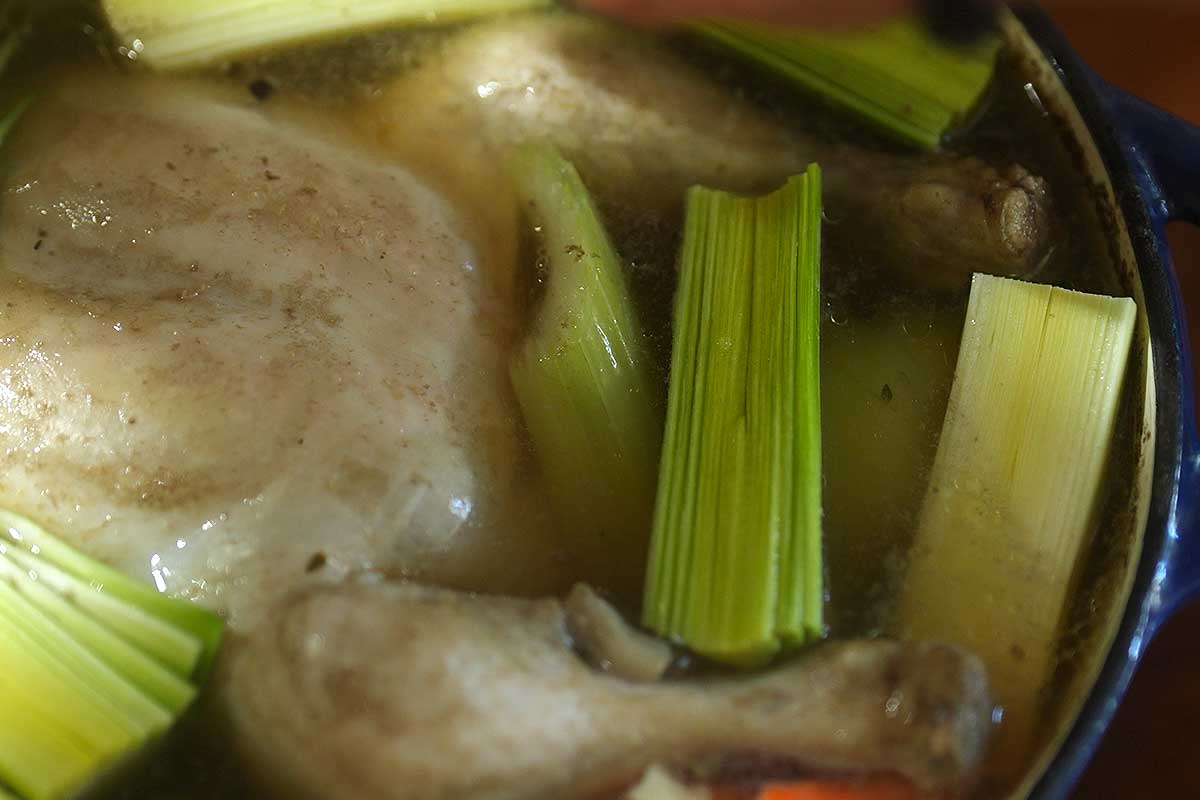
Keep the cut side of the leeks facing up, sitting on the surface. They hold together much better that way.
Check the thickest part of the thigh with a thermometer. You want at least 165°F / 74°C.
Rest the chicken for 10 to 15 minutes before carving. The juices settle back into the meat instead of running all over the board.
Taste the sauce before adding salt. The cooking liquid is often seasoned enough already.
Ingredient Swaps
No turnips? Use parsnips, swede or a few small potatoes.
Short on leeks? A couple of fennel bulbs, quartered, are lovely and a little sweeter.
Chicken thighs on the bone work if you don’t want a whole bird. Cut the poaching time to about 30 to 35 minutes.
Swap the Dijon for wholegrain mustard if you like a bit of texture. Or add a splash of white wine to the sauce for extra depth.
Tarragon instead of parsley at the end is a very French move. It loves chicken and cream.
Common Mistakes
Boiling it. This is the big one. Dry breast and murky stock, every time.
Adding all the vegetables at the start. By the end they’ll be falling apart and the leeks will be grey.
Cooking it for hours like an old recipe says. Those instructions were written for a tough old hen, not a modern chicken.
Browning the roux. For this sauce you want it pale, so keep the heat medium-low and keep stirring.
Dumping the stock in all at once. Add it gradually and whisk, or you’ll be chasing lumps.
What to Serve With It
The vegetables cooked in the pot are already a side. Honestly, you don’t need much else.
For a traditional French table, add steamed rice or plain boiled potatoes to soak up the sauce.
A bowl of the hot cooking liquid on the side, with crusty bread, turns it into a two-course meal.
A little pot of extra Dijon and some cornichons on the table is how a lot of French families do it.
Storage and Reheating
Leftover chicken and vegetables keep in the fridge for up to 3 days in a sealed container.
The stock keeps for 4 days in the fridge or 3 months in the freezer. Freeze some in small portions so you can grab exactly what you need.
Once chilled, the fat sets on top as a lid. Lift it off for a lighter stock, or keep it for roasting potatoes.
If the stock sets like jelly in the fridge, that’s a great sign. It’s full of gelatin from the bones.
Reheat the chicken gently in a little of the stock. Warm the sauce over low heat with a splash of stock to loosen it, and don’t let it boil.
FAQs
What’s the difference between poule au pot and chicken soup?
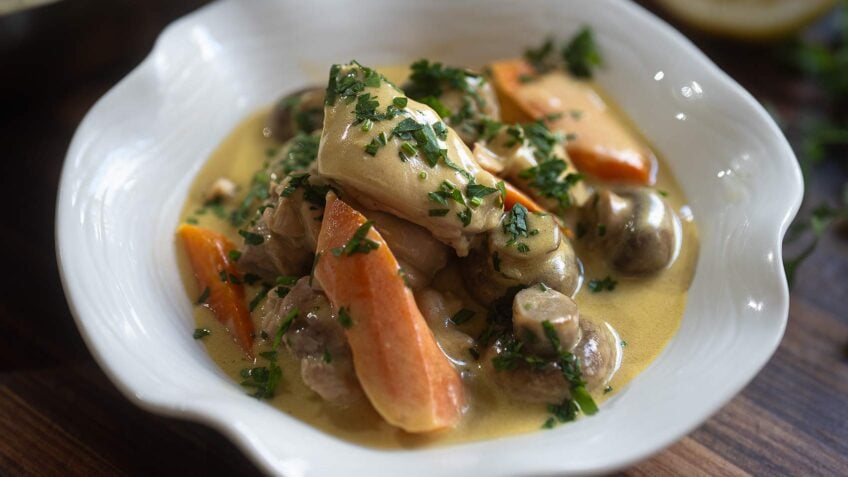
Poule au pot is served as a main, with the whole chicken carved and the vegetables on the plate. The stock is a bonus, not the star.
Can I use water instead of chicken stock?
Yes. The chicken makes its own stock as it poaches. Starting with stock just gives you a richer, deeper result, and doubling it is next level. You can just use water for an even clearer broth.
Why do you stud the onion with cloves?
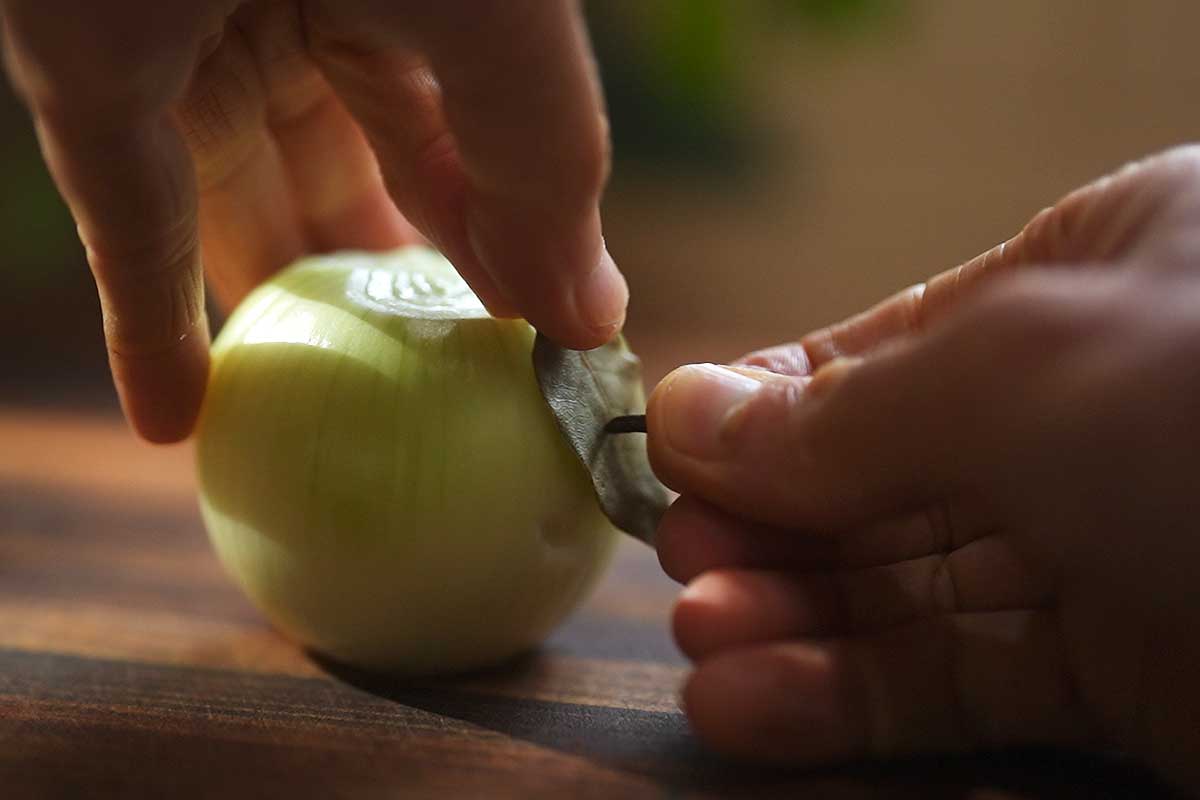
It’s an old French trick called “oignon piqué”. The cloves stay in one place, so they flavour the stock gently and are easy to fish out later.
How do I know when the chicken is cooked?
The thickest part of the thigh should reach at least 165°F / 74°C. The leg should also wiggle loosely in its joint. But after an hour in liquid, it’s cooked!
Why is my stock cloudy?
It boiled at some point. It still tastes great, but next time keep the heat lower and skim the foam early. I also added brown chicken stock that wasn’t as clear, but it’s not an issue as it’s served with a sauce.
Can I make the sauce ahead?
Yes, up to a day ahead. Press some plastic wrap on the surface to stop a skin forming, then reheat gently with a splash of stock.
What can I do with all the leftover stock?
Soup, risotto, cooking rice, or Asian noodle soups. It’s the best stock you’ll ever make, and it came free with dinner.
One Pot, Two Meals
Four hundred years later, a king’s Sunday promise still makes perfect sense.
Keep the pot calm, add your vegetables in stages, and finish with that silky Dijon sauce. France on a plate, and soup for the rest of the week.
 By
By 


You must be logged in to post a comment