
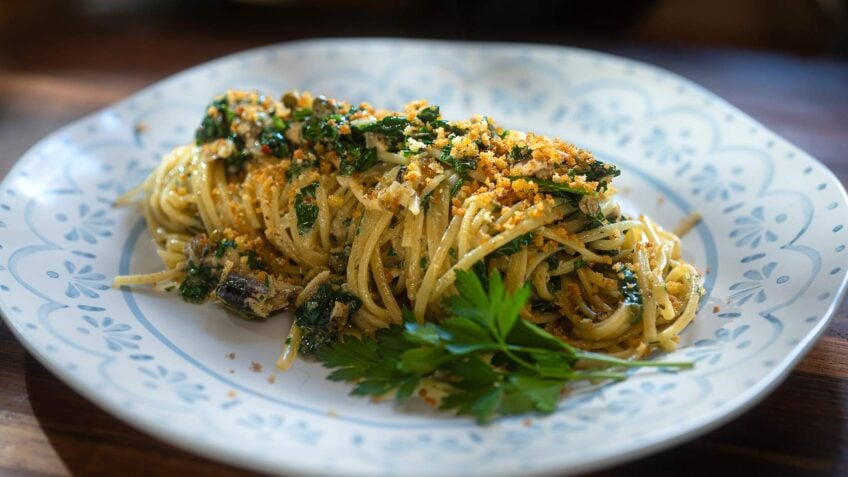
25-Minute Peasant Pasta That Feels Like Fine Dining
Most people walk straight past sardines at the supermarket.
Their loss.
Give them ten minutes in a pan with garlic, lemon and good olive oil and they turn into something far greater than the sum of their parts. Rich, savoury, silky and full of character.
This is simple pantry cooking done properly. The kind of pasta that costs very little but tastes like you’ve got a few tricks up your sleeve.
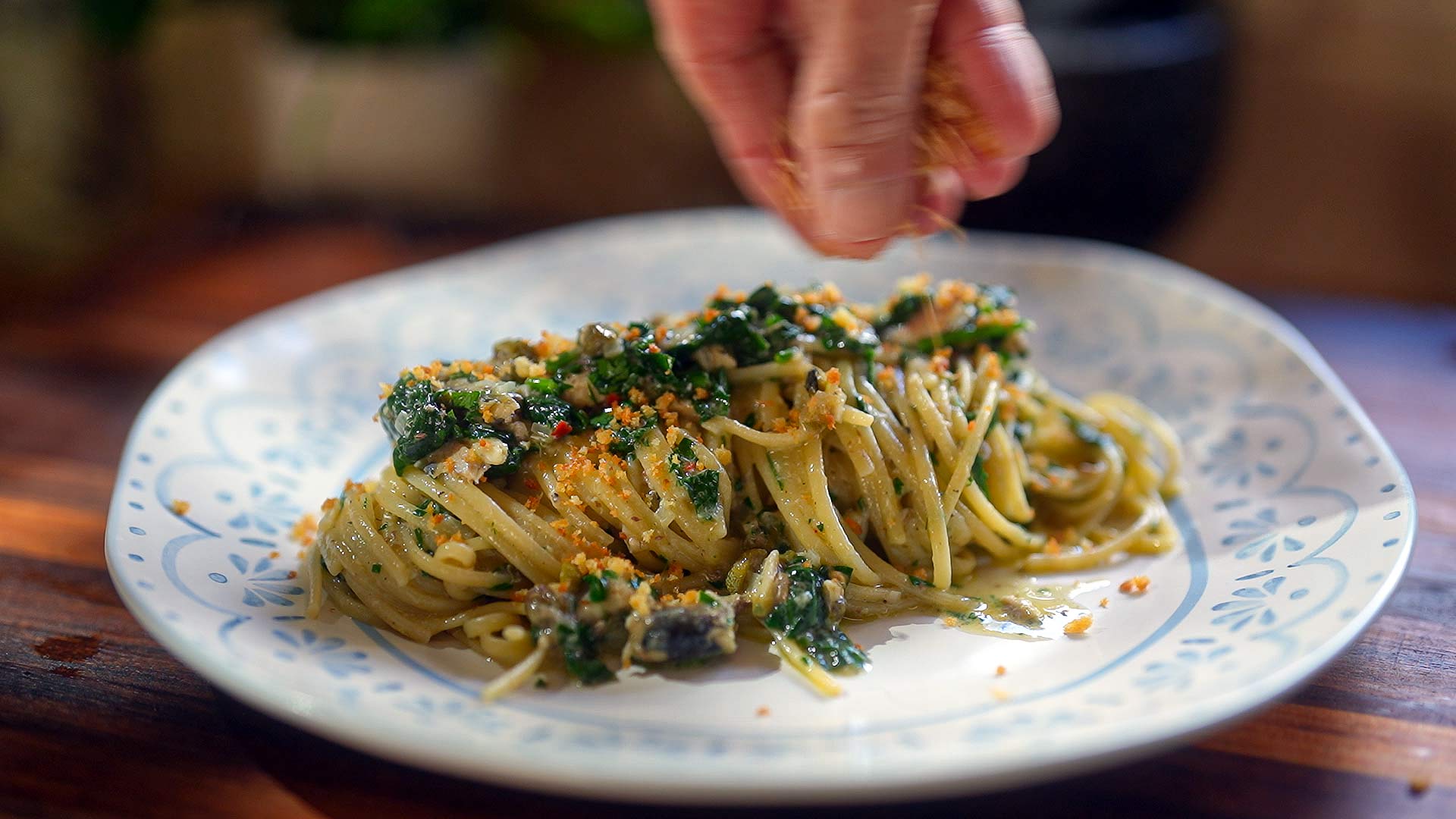
The $2 Pantry Tin That Tastes Like a Sicilian Summer
This recipe leans on ingredients you probably already have sitting in the cupboard and fridge.
A tin of sardines, some spaghetti, a little wine, lemon, garlic, and capers.
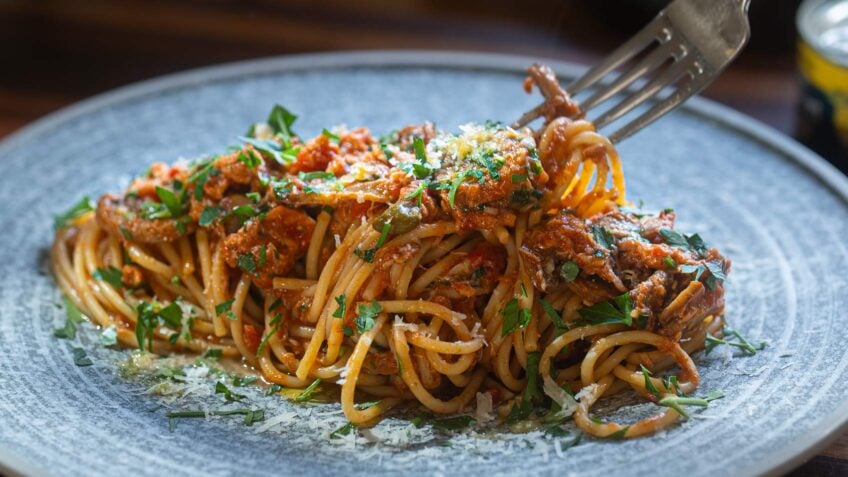
The sardines melt gently into the sauce, giving it depth and richness without tasting overpowering or overly fishy. Bold, bright and surprisingly elegant for something so humble.
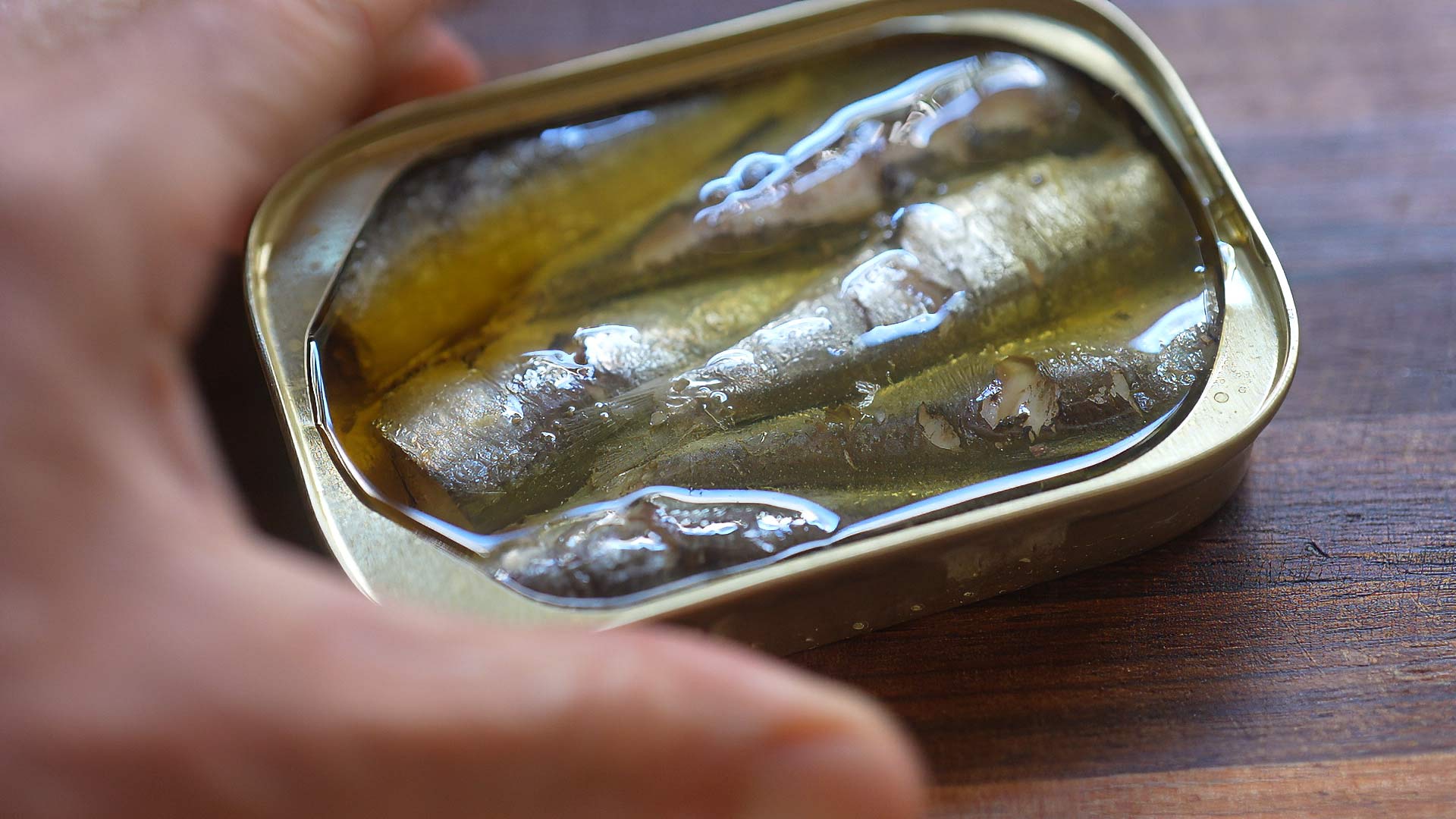
Stop Walking Past the Best Ingredient in the Supermarket
Sardines have a bad reputation and it’s completely undeserved.
They’re packed with flavour, loaded with omega-3s and cost almost nothing. Tin for tin, they punch harder than tuna ever could.
The trick is treating them right. Don’t overcook them, don’t overpower them. Let the lemon and garlic do the heavy lifting and the sardines will reward you with a sauce that tastes like it came from a Sicilian trattoria.
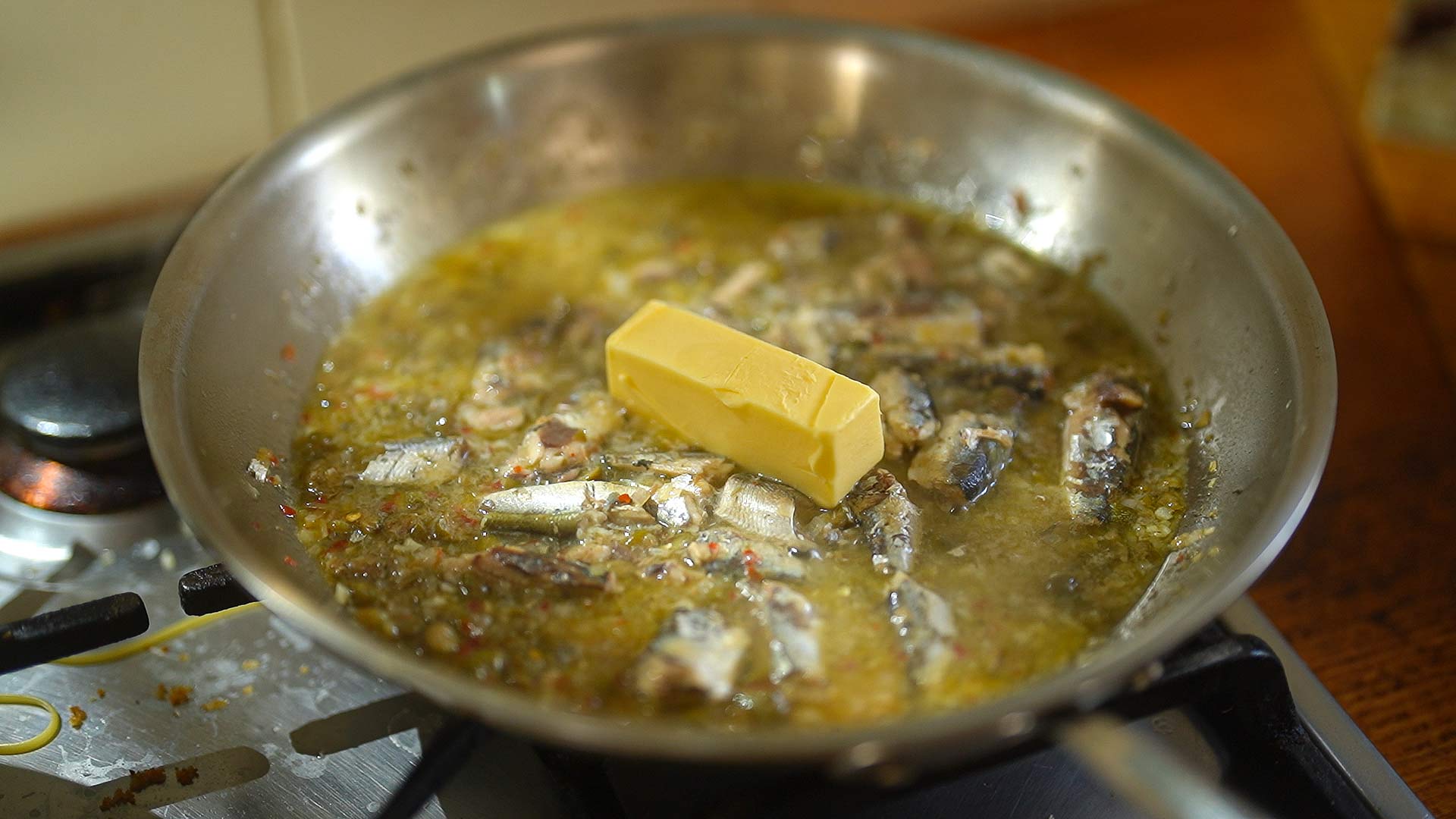
Forget Cream: The Trick for Silky Pasta
Most creamy pasta sauces lean on heavy cream. This one doesn’t need it.
The secret is butter and a splash of starchy pasta water. Together they create an emulsion that coats every strand in something glossy and rich.
The key is keeping the heat low at this stage. Rush it and the sauce breaks. Take it slowly and it comes together into something smooth, silky and full of flavour.
The Secret to Sardines: How to Make the Oiliest Fish Taste Bright and Fresh
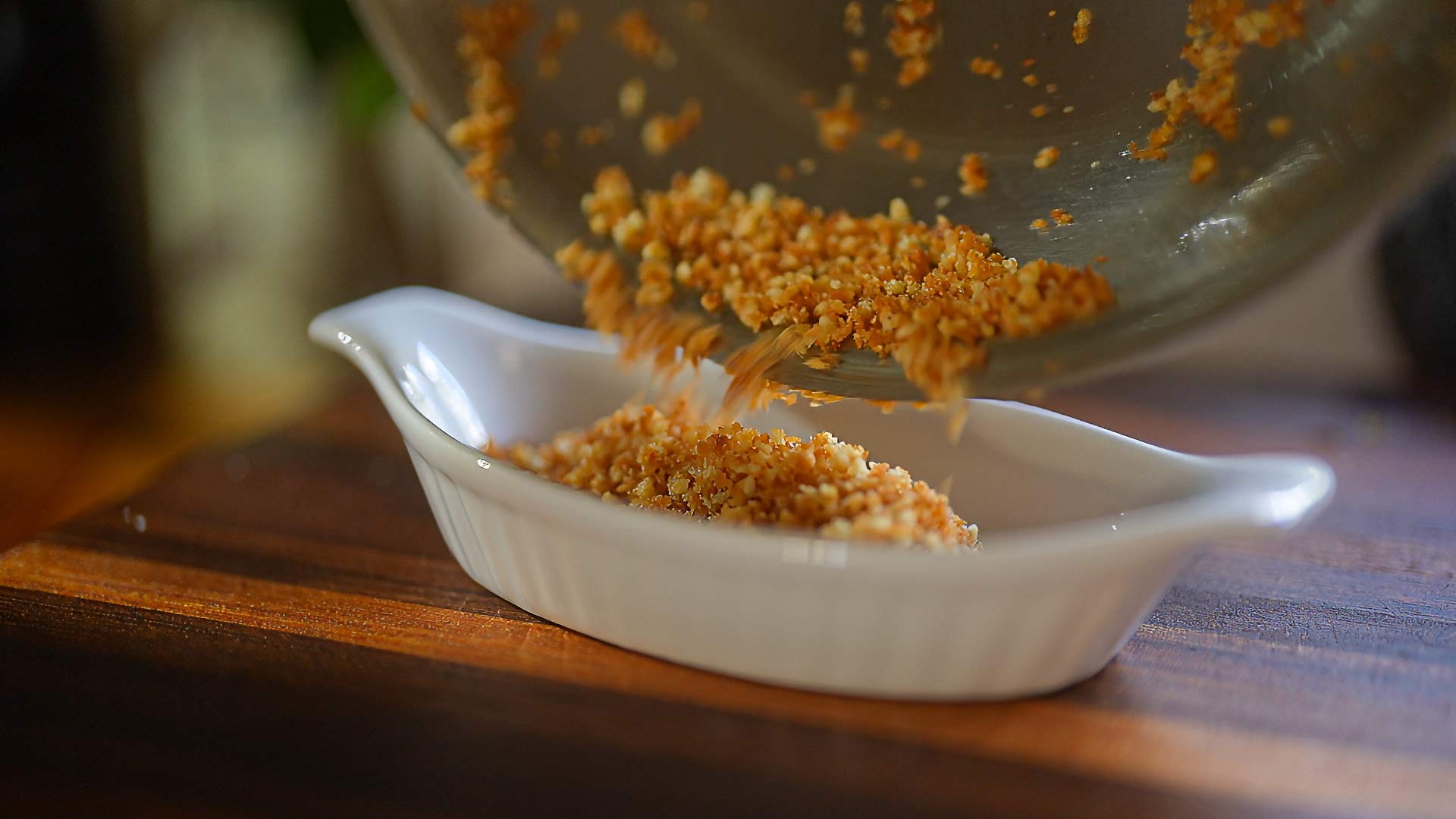
The toasted breadcrumbs on top are what make the whole thing sing.
In Sicily, breadcrumbs were traditionally used in place of cheese, adding crunch, nuttiness and that final savoury layer that makes a pasta feel complete.
They bring texture to all that silky lemony sauce. Without them, the dish is too soft. With them, it’s just right.
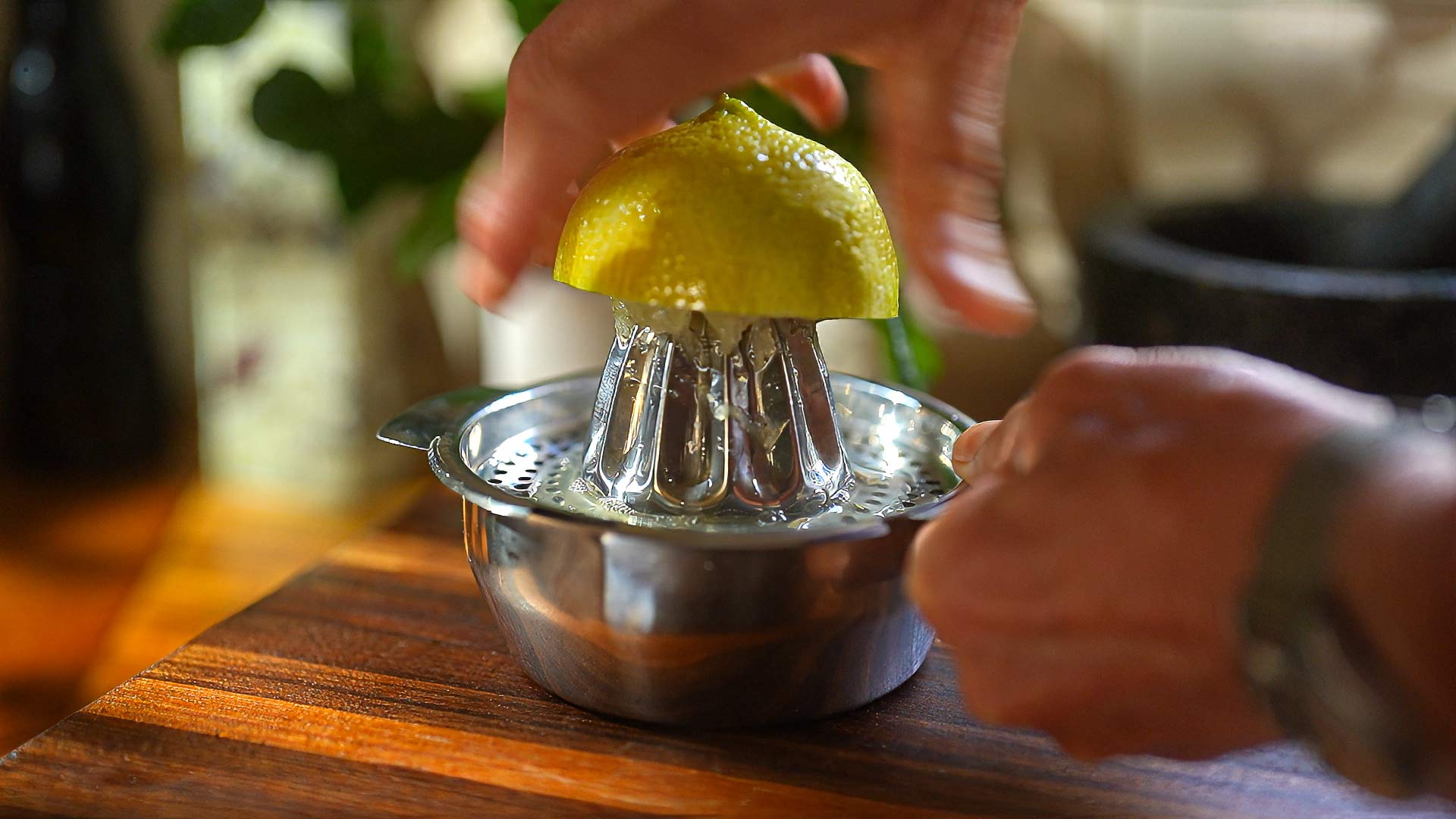
The lemon does the important work of keeping everything lively. It cuts through the richness, sharpens the flavour and gives the whole dish a freshness that makes you want another forkful straight away.
Fast, affordable and full of punch. This is the weeknight pasta that makes you wonder why sardines ever got such a bad reputation.
Cooking Tips
Don’t overcook the sardines. They only need a minute or two in the pan. Add them, break them up gently and move on. Overcooking makes them grainy and strong.
Use the sardine oil. That oil in the tin is flavour. Pour a little into the pan with the sardines and let it do its thing.
Keep some pasta water. Starchy pasta water is what brings the sauce together. Reserve at least half a cup before you drain.
Low heat for the butter. Add it off or just above the lowest heat setting. Too hot and it will split.
Toast the breadcrumbs separately. Do them in a dry pan with a little olive oil until golden. Don’t rush it. They go from pale to burnt fast.
Taste before salting. Sardines and capers both carry salt. You may not need any extra at all.
Ingredient Swaps
No sardines? Mackerel in olive oil works beautifully with the same method.
No capers? Finely chopped green olives give a similar briny, savoury hit.
No white wine? A splash of extra lemon juice and a little extra pasta water does the job.
No spaghetti? Linguine or bucatini are the next best options. Something long works best here.
Common Mistakes
Breaking the sardines up too much. Leave some chunky pieces. You want texture in the sauce, not a paste.
Adding the buttyer over high heat. This is the number one reason the sauce splits. Low heat, take your time.
Skipping the breadcrumbs. They are not optional. They are what ties the whole dish together. Don’t skip them.
Not reducing the wine enough. Let it reduce by at least half before moving on. Raw wine flavour in the finished sauce is a common mistake.
What to Serve With It
A simple green salad is all you need. The pasta is rich enough that something fresh and light on the side is perfect.
Crusty bread to mop up the sauce. Don’t waste a drop of that lemony, garlicky goodness at the bottom of the bowl.
A glass of dry white wine. Something crisp like Pinot Grigio or Vermentino works perfectly alongside it.
Extra lemon wedges on the side. Some people want more acid. Give them the option.
Storage
Fridge: Store covered for up to 2 days. Add a splash of water when reheating and stir over low heat to bring the sauce back together.
Do not freeze. The butter-based sauce does not survive freezing well. The texture goes grainy and watery on thawing.
Make ahead tip: Toast the breadcrumbs ahead of time and store them separately. Add them fresh when serving so they stay crunchy.
FAQs
Do sardines taste overpowering in pasta?
Not when cooked this way. The lemon, garlic and wine mellow everything out. The finished sauce tastes rich and savoury, not fishy.
Can I use fresh sardines instead of tinned?
Yes, but you’ll need to fillet them first. Tinned is easier and honestly just as good for this dish.
Is this recipe gluten free?
Use gluten free pasta and swap the breadcrumbs for toasted gluten free crumbs and yes, completely gluten free.
Can I make this dairy free?
Use an extra tablespoon of good olive oil instead. It won’t be as silky but it will still be delicious.
Why add spinach?
It wilts down to almost nothing and adds colour, a little iron and a gentle earthiness that balances the bright lemon sauce perfectly.
Why do breadcrumbs work better than cheese here?
Cheese can make an already rich sauce feel heavy. Breadcrumbs add the same savoury, textural finish without weighing it down. It’s a Sicilian trick that’s been around for centuries for good reason.
Why This Pasta Works
Most people who avoid sardines have only ever eaten them cold, straight from the tin. That’s not fair on anyone.
Heat transforms them. The fat in the tin becomes the base of your sauce. The flesh breaks down into something tender and almost buttery. The strong fishy edge softens into something deeply savoury.
Sardines are one of the few fish that actually get better when cooked with acid. The lemon doesn’t fight the flavour, it completes it.
Add starchy pasta water, a little butter and you’ve got an emulsified sauce that clings to every strand of spaghetti. That’s not an accident. That’s technique.
And for about the price of a coffee, you’ve made something that tastes like it belongs on a restaurant menu. That’s the whole point.
 By
By 
You must be logged in to post a comment