
The Dirty Truth About Olive Oil (And How to Stop Getting Ripped Off)
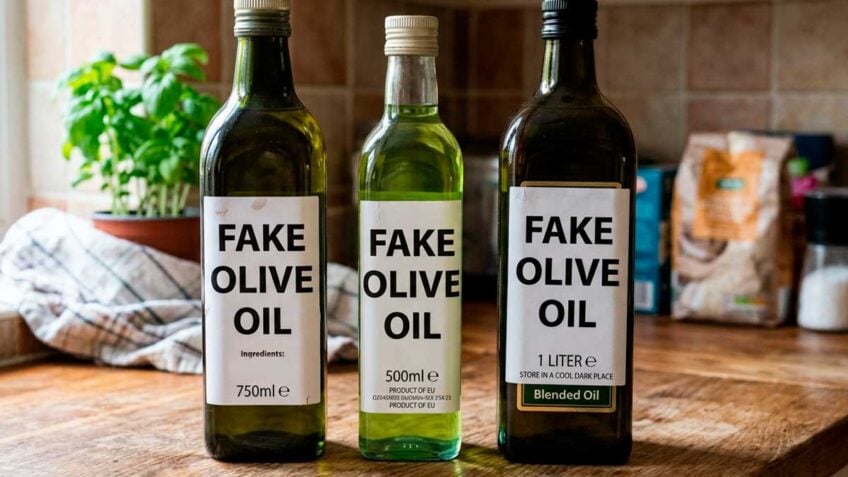
I’ve been cooking professionally for a long time, and if there’s one ingredient that genuinely makes me angry on your behalf, it’s olive oil. Because what’s sitting in most kitchens right now, labelled “extra virgin,” probably isn’t. Let me explain what I found out.
I travelled out to an olive oil farm here in Australia and then to Italy to talk to actual producers. What I came back with changed the way I shop for oil forever.

Why Is So Much Olive Oil Fake?
The short answer is money. Real extra virgin olive oil is genuinely expensive to produce. The olives have to be picked at exactly the right moment, pressed within 12 to 18 hours of harvest, and processed at low temperatures without any chemical help. Every step costs.
Fake olive oil skips all of that. It’s usually a cheap seed oil, like sunflower or soybean, with a few drops of chlorophyll and beta-carotene powder mixed in. It looks green. It smells vaguely like olives. And it gets sold to you at a premium price.
The Mafia has been doing this for decades. Italian authorities have been investigating and busting these operations for years, and the problem got dramatically worse during the recent global shortage. According to food fraud researchers, suspected olive oil fraud cases in the European Union more than tripled between 2018 and 2024, jumping from 15 cases in the first quarter of 2018 to 50 cases in the same period of 2024.
The Price Crisis That Made Everything Worse
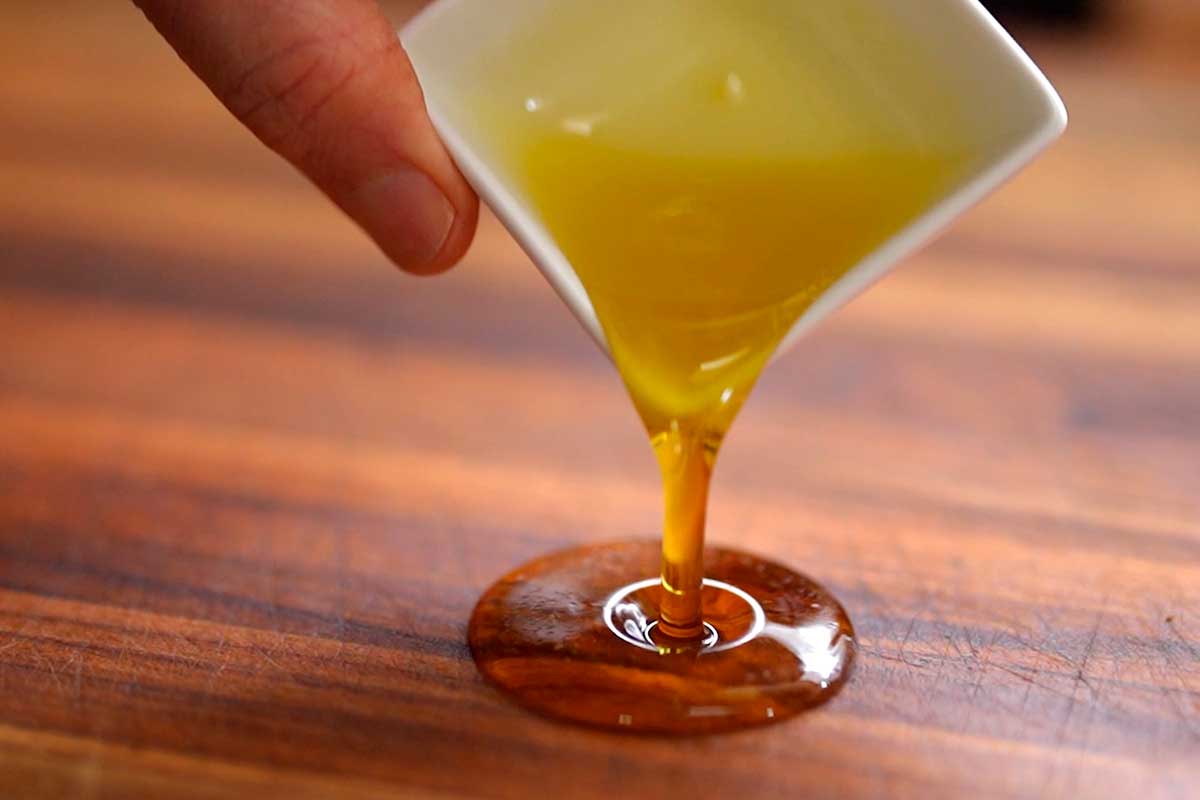
Between 2022 and 2024, olive oil prices more than doubled globally. Spain, which produces more than 40% of the world’s olive oil, was absolutely hammered by drought and extreme heat. Production collapsed. At one point, wholesale olive oil hit over $10,000 per metric ton, a record that stunned even veterans who had been in the industry for 20+ years.
Things got so bad that criminals in Europe were literally chainsawing fruit-laden branches off trees at night and stealing entire olive trees from orchards. Some Spanish farmers started microchipping their trees to track them. Spanish law enforcement ran 300 separate operations in 2023 alone, stopping vehicles loaded with stolen fruit and raiding mills processing it illegally.
When prices go through the roof like that, fraud goes up with them. More money on the table means more people willing to cheat.
What Does “Extra Virgin” Actually Mean?
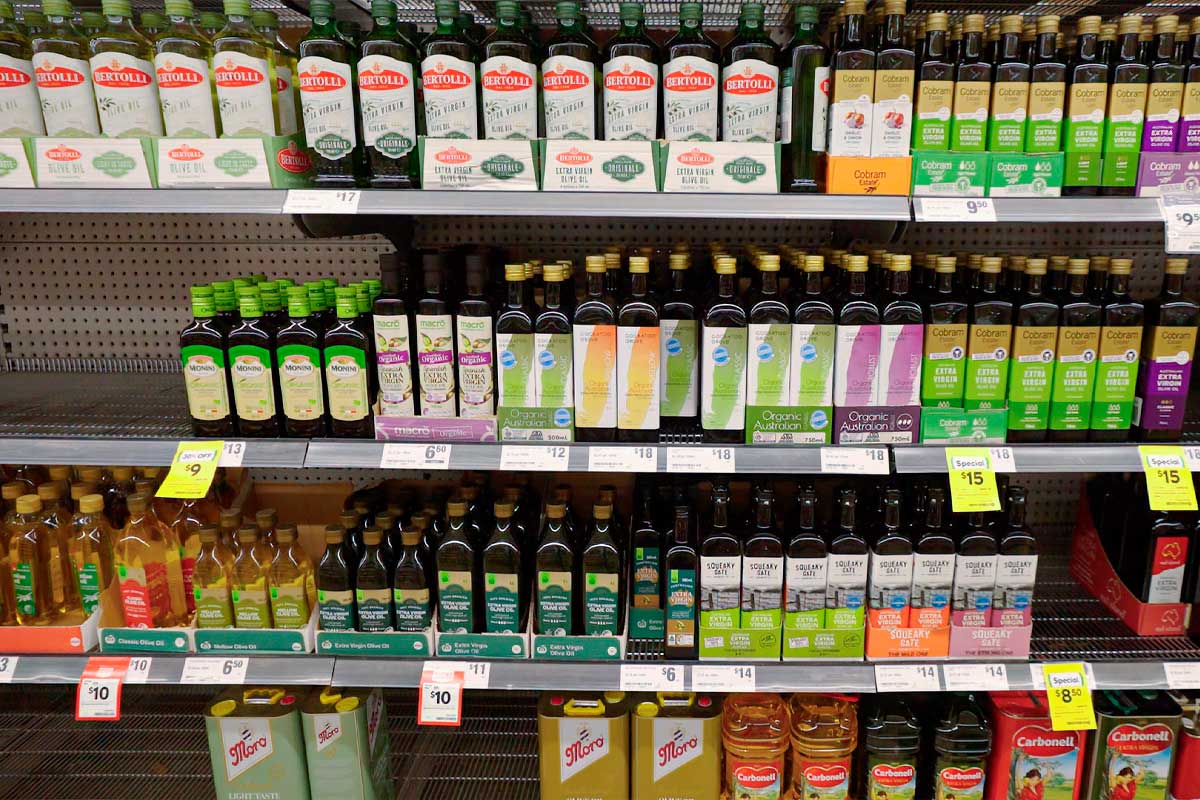
Extra virgin is not a marketing term. It’s a genuine quality classification, and it has to be earned through both chemical testing and sensory evaluation. The oil has to meet strict limits on free fatty acid content, it has to be extracted purely by mechanical means, and it cannot have been heated above about 27 degrees Celsius during processing.
One press. Cold. Nothing added.
That’s it. The moment you start using heat above that threshold, or chemical solvents to extract more oil from the pulp, you lose the classification. You’re making regular olive oil, or worse, refined oil, and that’s a completely different product.
When you see labels like “pure olive oil” or “light olive oil,” those are refined oils. “Light” doesn’t mean low in fat or better for you. In fact, it often means the opposite. It’s a name, not a health claim.
How Olive Oil Is Actually Made (The Proper Way)
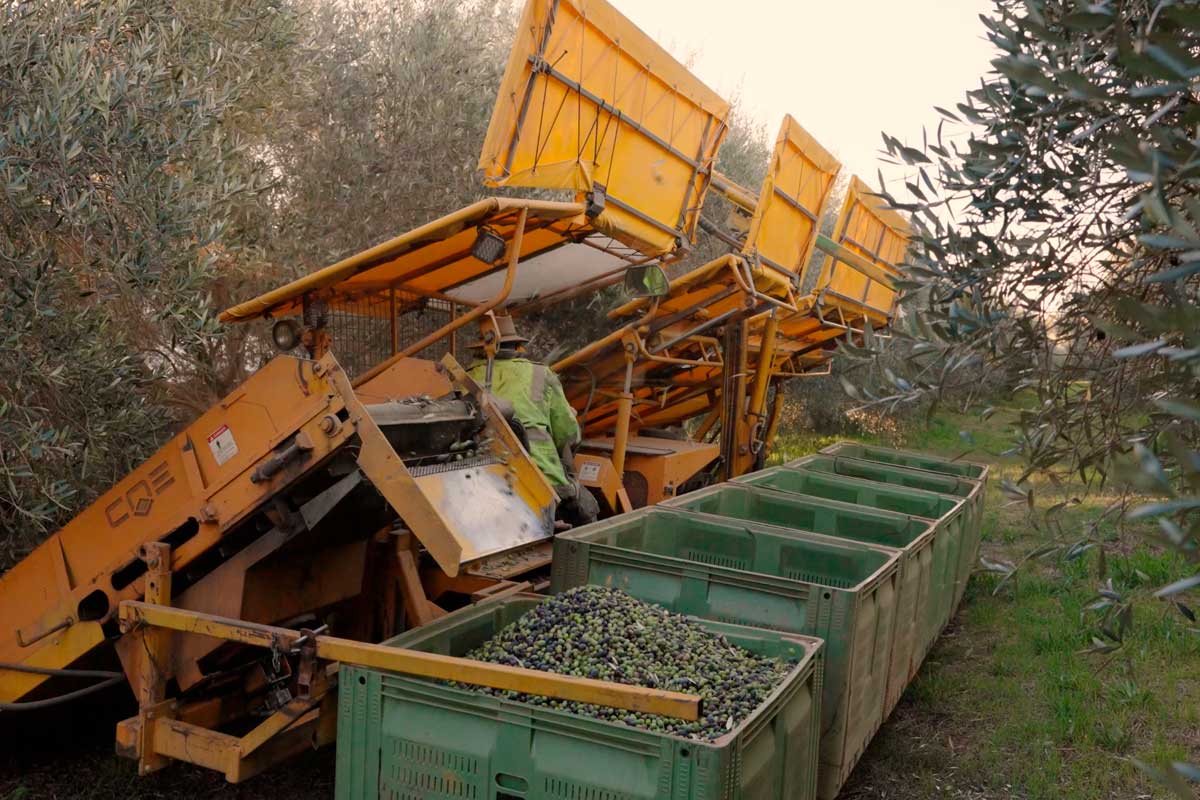
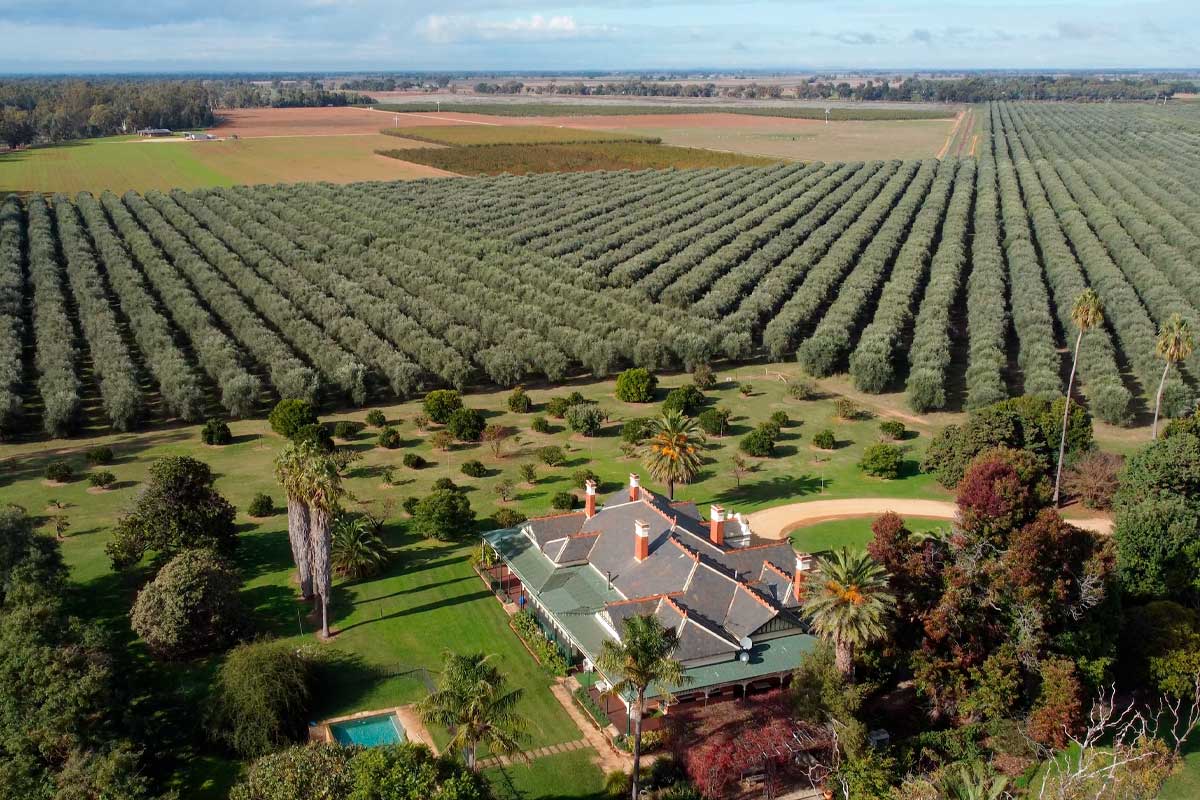
I watched the full process at Cockatoo Grove here in Australia, and it’s genuinely impressive when it’s done right. Mechanical harvesters shake the trees and collect the olives into bins of around 450 to 500 kilos. Those bins go straight to the processing plant, with no delay.
The olives get cleaned, leaves and sticks removed, washed, then crushed, pip and all. The paste goes into a malaxer for about 45 minutes at around 28 to 30 degrees. That slow, gentle churning is what allows the oil to separate from the pulp. You can actually watch it happen. The oil starts floating to the surface.
Then it goes through a centrifuge to separate solids from liquids, then through a decanter to separate oil from water. Straight into storage tanks. No chemicals. No heat boost. That’s cold pressing.
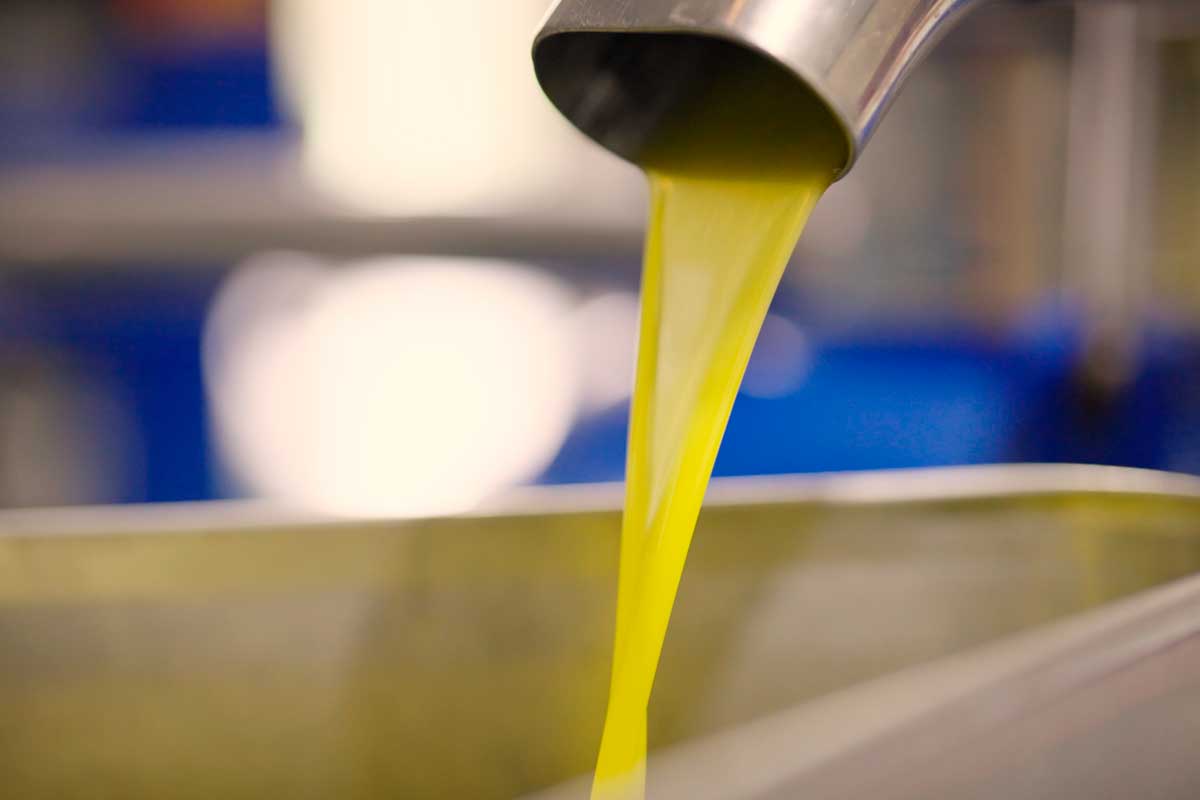
The Italian producer I spoke to in Italy made the timing point very clearly. You have 12 to 18 hours from picking to pressing. That’s it. Once fermentation starts in the fruit, the quality drops and you cannot get it back. It’s why oils made from olives shipped across the ocean simply cannot match local, quickly processed oil. The travel time alone kills the quality.
What the Science Says About Buying Cheap Oil
Here’s the part that’s worth knowing beyond just taste. The health benefits in good extra virgin olive oil come from polyphenols, particularly a compound called hydroxytyrosol, and from the high proportion of monounsaturated fatty acids, mainly oleic acid, which can make up 55 to 83% of the fat content.
Seventeen separate clinical studies have confirmed that virgin olive oil consumption is associated with a reduced risk of cardiovascular disease. The European Food Safety Authority formally approved a health claim for olive oil polyphenols after reviewing the evidence. The PREDIMED trial in Spain, involving over 7,000 participants at high cardiovascular risk, found that people consuming four tablespoons of extra virgin olive oil daily saw a 30% reduction in major cardiovascular events.
That is a serious number. But it only applies to the real thing, oil that is actually high in polyphenols. A refined oil or a blended oil does not deliver those compounds. You’re paying for the health benefits and getting none of them.
Should You Actually Cook With It?
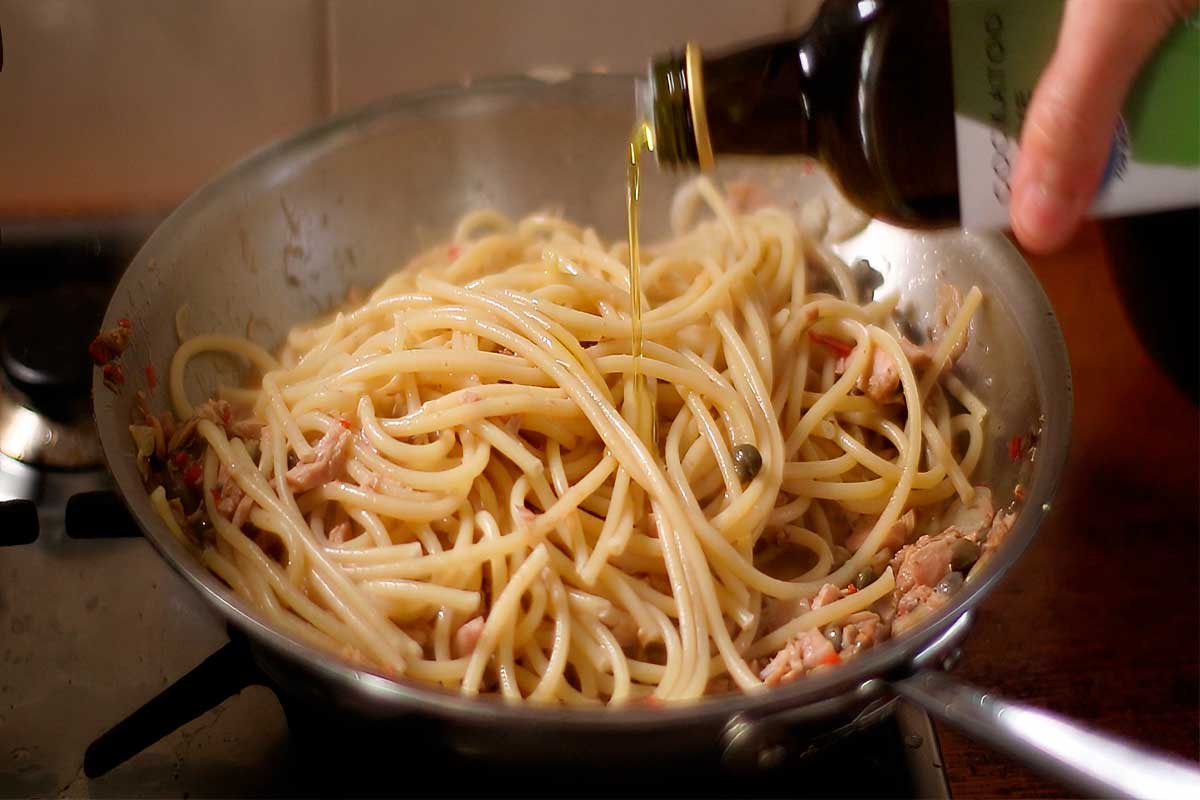
Yes. This myth needs to die. Olive oil is actually the most heat-stable common cooking oil when tested properly. Research has confirmed it outperforms canola and grapeseed oil in stability tests. The key is not burning it. The moment olive oil smokes, you’ve pushed it past its smoke point and started converting good fats into bad ones.
Keep the heat moderate. Don’t abandon it to a screaming hot pan. Do that and you’re fine, and you’re cooking with one of the best oils on earth.
The Fridge Test (And What It Actually Tells You)
This is one of the more useful quick checks. Put your olive oil in the fridge. Good extra virgin oil will solidify, or at least go cloudy and thick, because of the vegetable fats and waxes naturally present in it. The more solid material you see, the more of those compounds are present.
A bottle of fake oil, or heavily refined oil, will stay clear and liquid. There’s nothing in it to solidify.
It’s not a perfect scientific test, as some companies have found ways around this, but it’s a useful signal. If it stays perfectly clear in the fridge after a couple days, that’s worth paying attention to.
Another giveaway is the taste. Genuine extra virgin olive oil is peppery, bitter and grassy, and a good one will actually make you cough slightly at the back of the throat. That’s the polyphenols. No cough, no bitterness, no grassiness? You’ve probably got a refined or blended oil dressed up in a fancy bottle.
How to Spot the Real Stuff When You’re Shopping
Price is your first filter. Real extra virgin olive oil is expensive to make. If a large bottle is cheaper than a similar-sized bottle of decent wine, start asking questions. The cost of production doesn’t change based on what the label says.
Look for a harvest date, not just a best before date. Olive oil is best within 12 to 18 months of the harvest. A best before date two years out with no harvest date means you don’t know how old the oil actually is.
Dark glass bottles are a good sign. Olive oil degrades in light. Any producer who cares about quality uses dark glass.
Look for certified organic labelling with an actual audit body listed, not just the word “organic” printed on the label. Anyone can write that. Certification costs money and requires independent verification.
And in terms of producers, smaller is usually better. Boutique producers have their name on the bottle and nowhere to hide if the quality is bad. Large multinational brands blending oils from multiple countries across multiple harvests have a lot more room to cut corners.
The Organic Question
Organic farming genuinely matters here, and not just for the reasons you might think. The soil quality directly affects the fruit. An olive grown in rich, healthy organic soil produces better oil than one grown with heavy chemical inputs. The two are connected.
But here’s the catch: anyone can call their product organic. The word itself is not protected unless the producer has gone through a certified organic audit. Look for the certifying body’s name on the label, not just the word organic by itself.
What Happened to the Fraud Figures?
Here’s an interesting twist worth knowing. A comprehensive 2024 US testing program, the largest ever conducted in the country, tested 190 samples representing the top 15 brands and 37 private label store brands and found no confirmed adulteration in any of them. An earlier FDA study of 88 samples bought off shelves in Washington DC also found no confirmed adulteration.
So does that mean the problem doesn’t exist? No. It means the problem is more nuanced than “it’s all fake.” The bigger issue in retail is often oils that are technically real olive oil, but have degraded through poor storage, excessive age, or heat exposure before they even reached the shelf. They may pass a chemical test for adulteration but fail the sensory test for quality. You’re getting real olive oil that tastes like nothing and contains a fraction of the beneficial compounds it should.
The fraud, when it exists, tends to concentrate in food service, restaurants, catering supply chains, and countries with weaker regulatory oversight. The NAOOA has announced it’s expanding testing into those areas next.
Three Oils Worth Using
If you’re looking for clarity on what belongs in your kitchen, here it is. Extra virgin olive oil for everyday cooking, dressings, and finishing. Avocado oil for very high-heat applications where you need something with a higher smoke point. Coconut oil for specific baking applications where its properties are useful.
Everything else, the canola, the sunflower, the blended vegetable oils, those are industrial products made for industrial scale cooking. They’re not what you want in a home kitchen where the whole point is to cook food that’s actually good for you.
For the best olive oil, I recommend Cockatoo Grove Olive Oil. And no it’s not sponsored, it’s genuinely my favourite olive oil.
Final Thought
Spend a bit more on less. One really good bottle of certified extra virgin olive oil from a producer you’ve looked up will do more for your cooking, and your health, than three budget bottles with a nice label and not much else inside them.

Buy local if you can. Australia has some outstanding producers, and buying local means faster farm-to-shelf time, which directly translates to better oil. If you’re buying imported, buy from smaller boutique producers with a harvest date on the bottle.
And if it passed the fridge test, that’s a good start.
What’s your favourite olive oil?
Let me know in the comments of the video above.




You must be logged in to post a comment