
The Pasta That Tastes Like Winter Finally Left
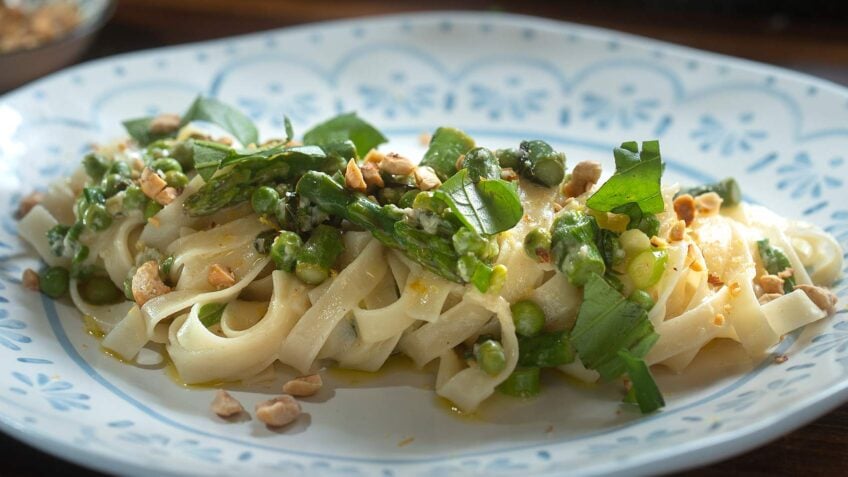
This is the kind of pasta that feels like winter has finally packed its bags.
Light, silky and full of fresh spring flavour, with sweet peas, tender asparagus and a lemon-parmesan finish that tastes clean but still comforting.
It comes together in the time it takes to cook the pasta. One pan, no fuss, and a sauce that looks and tastes far more refined than the effort involved.
Why Spring Vegetables Work So Well in Pasta
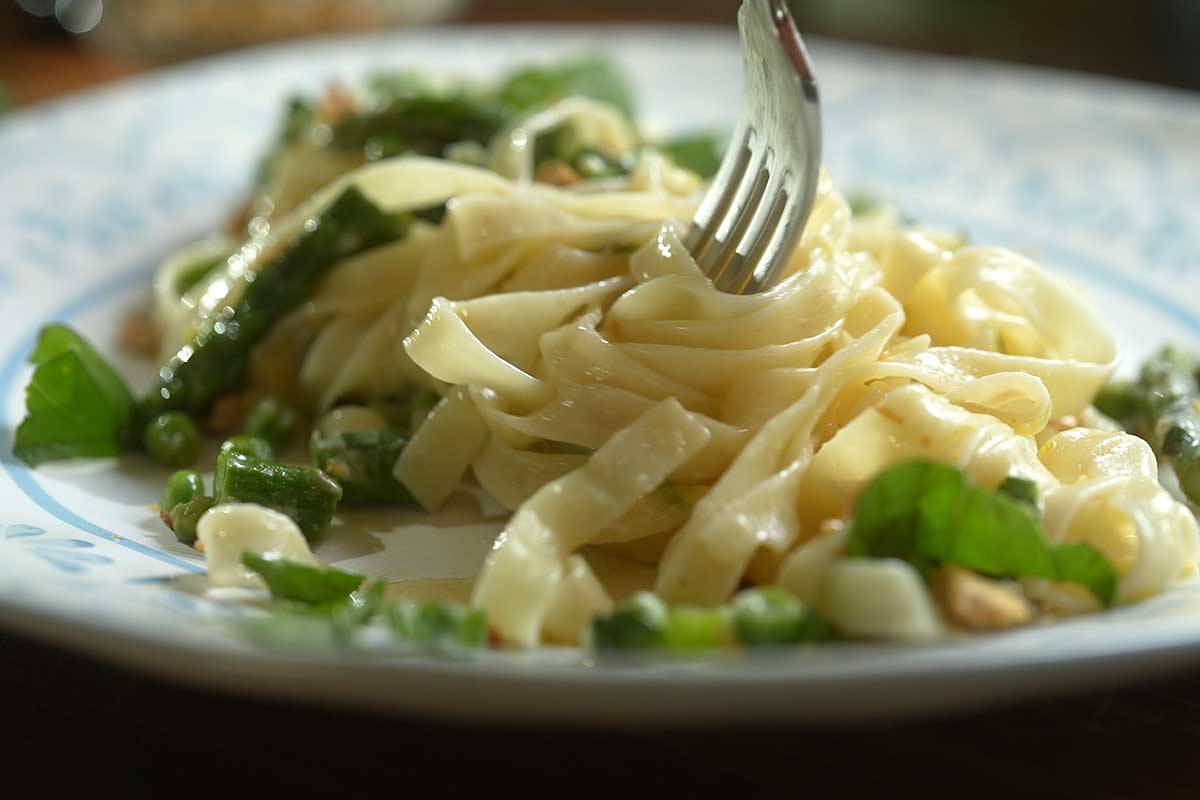
Asparagus and peas are two of the best vegetables you can put in a pasta dish.
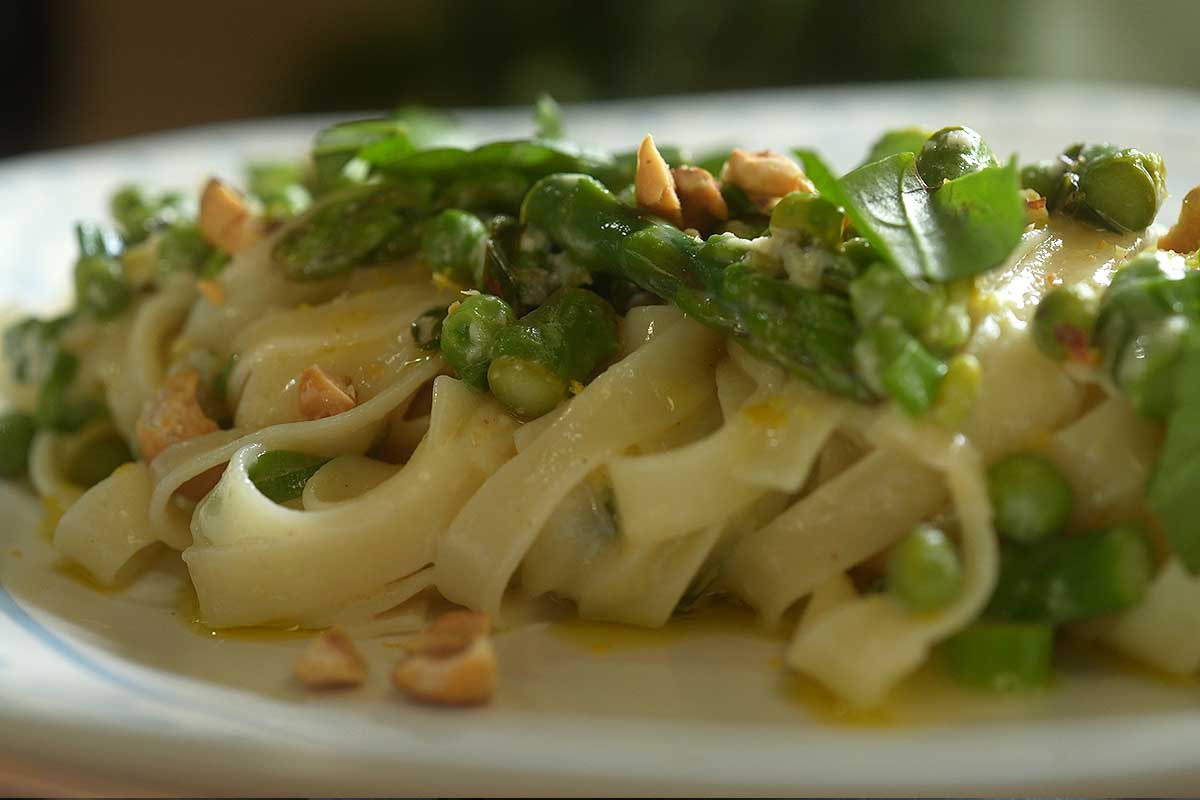
Asparagus brings a slight bitterness and crunch that holds up beautifully against the silky sauce. Peas bring sweetness and a pop of colour that makes the whole dish look as good as it tastes.
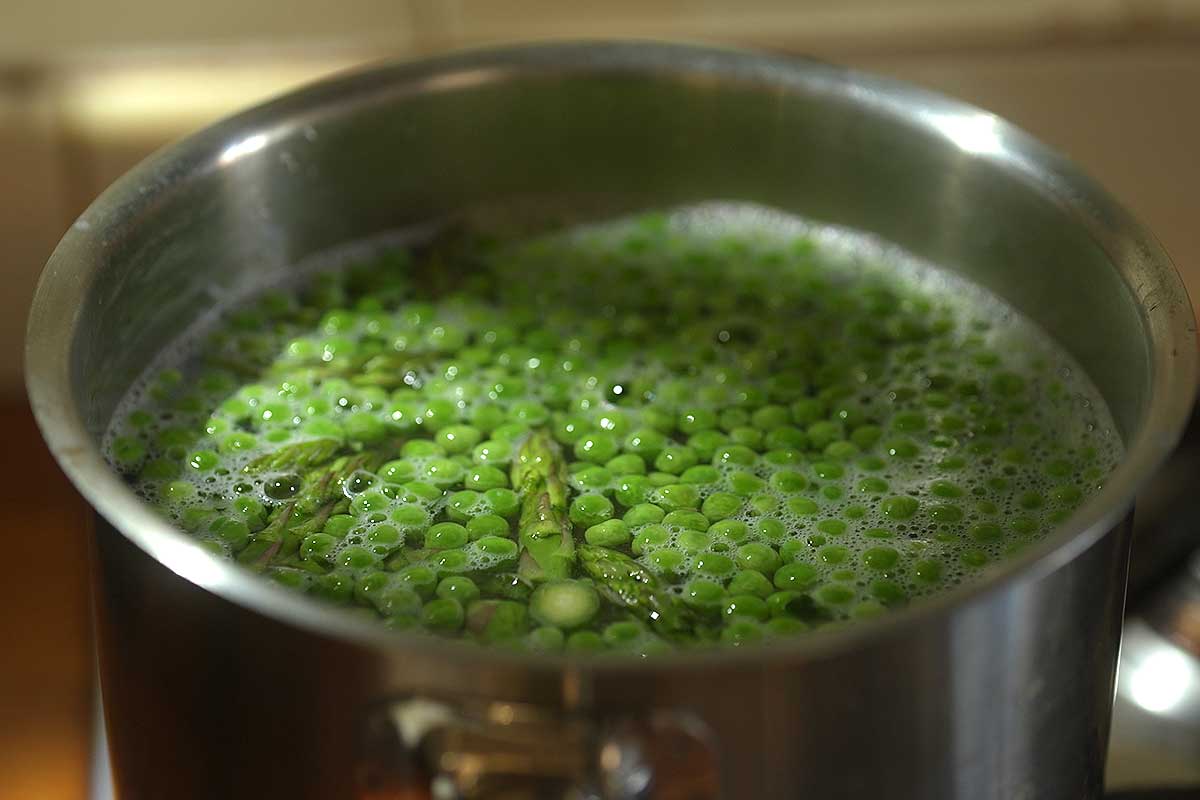
Cooking both in the pasta water for the last couple of minutes is the smartest move here. They pick up a little starch from the water which helps bind everything together when they go into the pan.
The Silky Lemon Parmesan Sauce
There’s no cream in this sauce. That’s intentional.
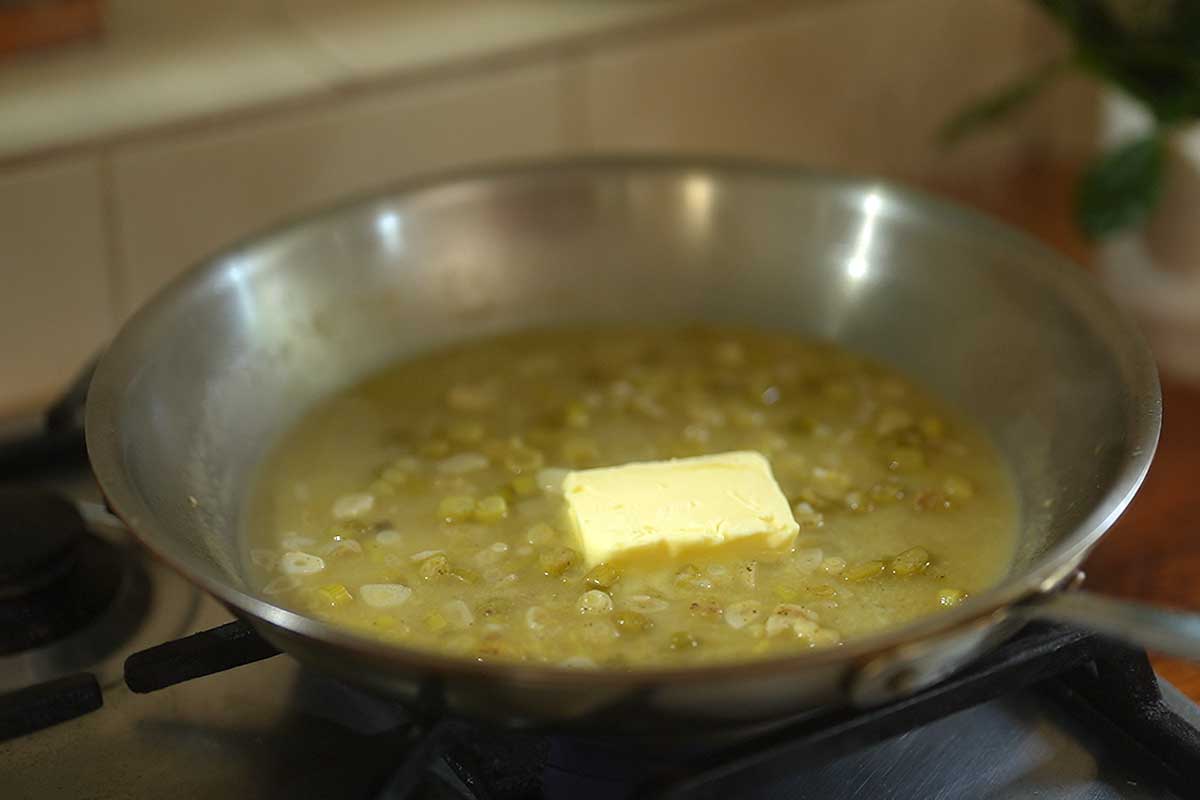
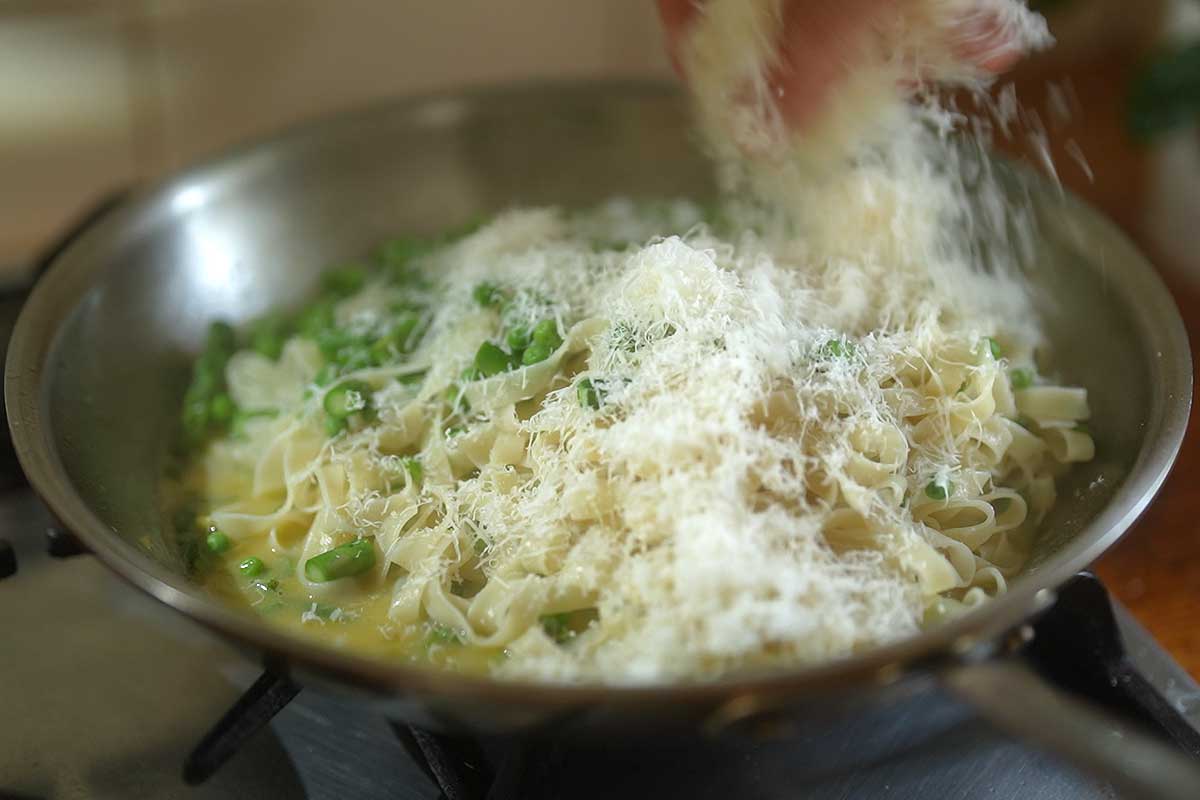
The silkiness comes from butter, parmesan and starchy pasta water working together. Add them in stages, tossing continuously, and they emulsify into something glossy and light that coats every strand without feeling heavy.
The lemon cuts through the richness perfectly. Add the zest right at the end so it stays bright and fragrant rather than dull and cooked.
Why Butter Is the Quiet Hero
The butter does more than add richness here.
It rounds out the sharpness of the lemon, softens the parmesan and gives the whole dish that silky restaurant finish that makes you wonder what you actually did differently.
Two tablespoons is all you need, well maybe three, ok if you’re French make it four really! Add it after the wine has reduced and let it melt gently into the pan over low heat before anything else goes in.
The Toasted Hazelnuts That Finish It Off
Don’t skip the hazelnuts. They might seem optional but they’re not.
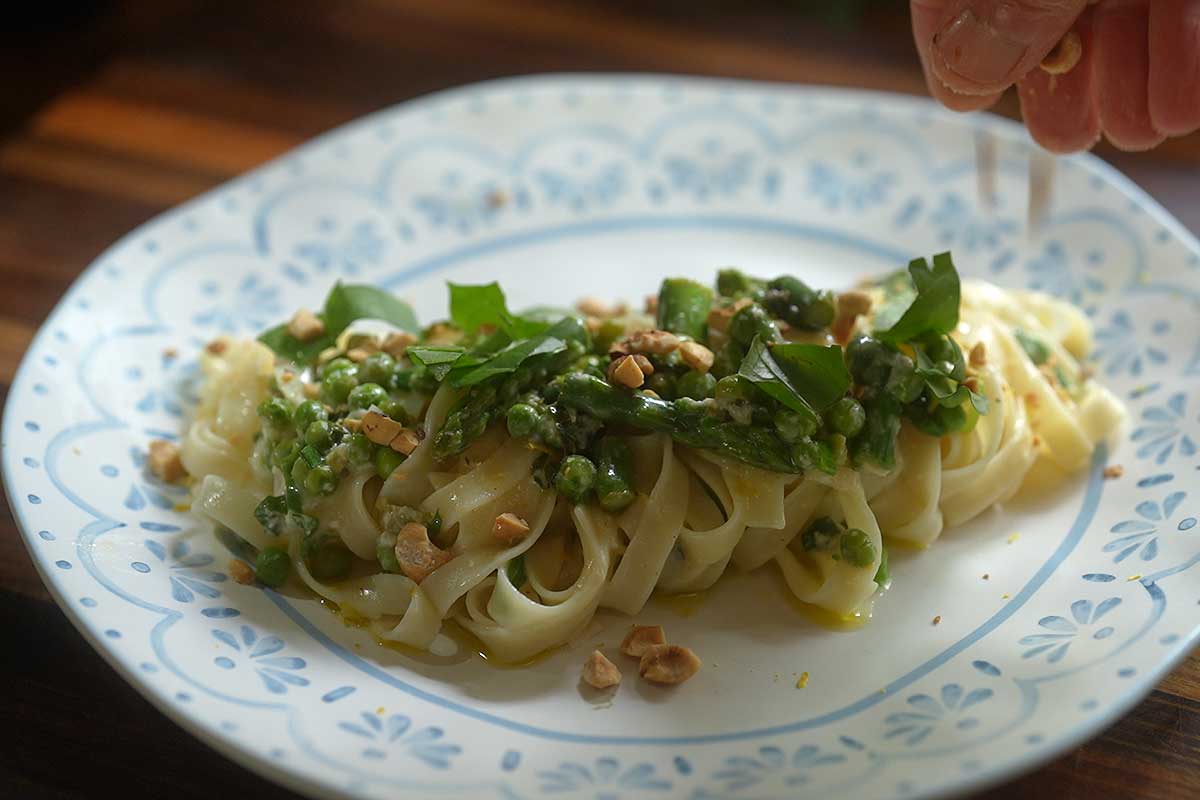
They bring a warm, nutty crunch that contrasts beautifully with the silky, lemony sauce and the tender vegetables. It’s the same principle as breadcrumbs on a Sicilian pasta. Texture makes everything taste better.
Toast them in oven for about 15 minutes until golden and fragrant. Massage your nuts in tea towel to peel then Then roughly chop and scatter over just before serving.
Cooking Tips
Cook the pasta just under al dente. It finishes cooking in the pan with the sauce and will be perfectly cooked by the time it hits the plate.
Reserve the pasta water before draining. Half a cup minimum. It’s the key ingredient in the sauce and you can’t go back for it once the pasta is drained.
Add the parmesan off the heat or over very low heat. Too much heat causes the parmesan to clump rather than melt smoothly into the sauce.
Add pasta water gradually, a splash at a time, tossing continuously. You want the sauce to cling to the pasta, not pool at the bottom of the pan.
Add the lemon zest and basil at the very end. Both lose their brightness and fragrance if they spend any time over heat.
Ingredient Swaps
No asparagus? Broccolini or thinly sliced zucchini work beautifully with the same method and timing.
No hazelnuts? Toasted pine nuts or slivered almonds give a similar nutty crunch. Even toasted breadcrumbs work well here.
No white wine? Skip it and add a little extra pasta water and an extra squeeze of lemon juice instead.
No parmesan? Pecorino Romano works beautifully and is slightly sharper and saltier. Use a little less if substituting.
No fresh basil? Flat leaf parsley gives a similar fresh, herby finish. Mint also works surprisingly well with the peas and lemon.
Common Mistakes
Overcooking the asparagus. It only needs two minutes in the boiling pasta water. Overcooked asparagus goes soft and loses that pleasant bite that makes it worth eating.
Adding too much pasta water at once. Go slowly. A splash at a time, tossing between each addition, is what creates a silky sauce rather than a watery one.
Adding parmesan over high heat. It seizes and goes grainy. Always reduce the heat before adding the cheese.
Letting the pasta sit too long before serving. This dish is best eaten immediately while the sauce is still loose and glossy. It thickens quickly as it cools.
What to Serve With It
This is a complete meal on its own, especially with the parmesan and hazelnuts on top.
A simple green salad with a sharp lemon dressing keeps the spring feeling going without competing with the pasta.
Crusty sourdough on the side for mopping up the lemony sauce at the bottom of the bowl.
A glass of crisp white wine. Something with good acidity like Pinot Grigio or Sauvignon Blanc works perfectly.
Storage
Fridge: Store covered for up to 2 days. The pasta will absorb the sauce as it sits.
Reheat gently in a pan over low heat with a splash of water to loosen the sauce. Add a little extra parmesan when reheating to bring it back together.
Do not freeze. The texture of both the pasta and vegetables suffers badly after freezing.
FAQs
Can I use frozen peas?
Yes, frozen peas work perfectly here. Add them straight from frozen in the last 30 seconds of pasta cooking time. They thaw almost instantly in the boiling water.
Can I make this vegetarian?
It already is. Just make sure your parmesan is vegetarian-friendly, as traditional Parmigiano-Reggiano is made with animal rennet. Look for a vegetarian parmesan alternative if needed.
Can I add protein to this?
Absolutely. Pan-fried prawns, grilled chicken or even a few slices of prosciutto torn over the top all work beautifully with these flavours.
Is this recipe gluten free?
Swap the pasta for your preferred gluten free pasta and the rest of the recipe is naturally gluten free.
Why does my sauce look greasy instead of silky?
The sauce broke. This usually happens when the heat is too high when the parmesan or butter goes in. Next time reduce the heat right down before adding either. A splash more pasta water and vigorous tossing can often bring a broken sauce back together.
A Pasta Worth Making All Spring
There’s something genuinely satisfying about a pasta that tastes seasonal.
When asparagus and peas are at their best, this dish is at its best too. It’s the kind of recipe that makes you look forward to a particular time of year.
Light enough to feel fresh, rich enough to feel like a proper dinner. That balance is what makes it worth coming back to.
 By
By 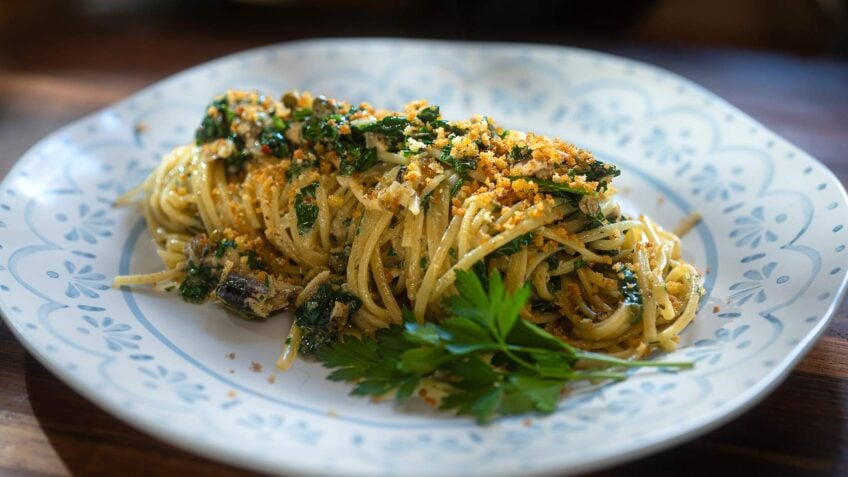

You must be logged in to post a comment