
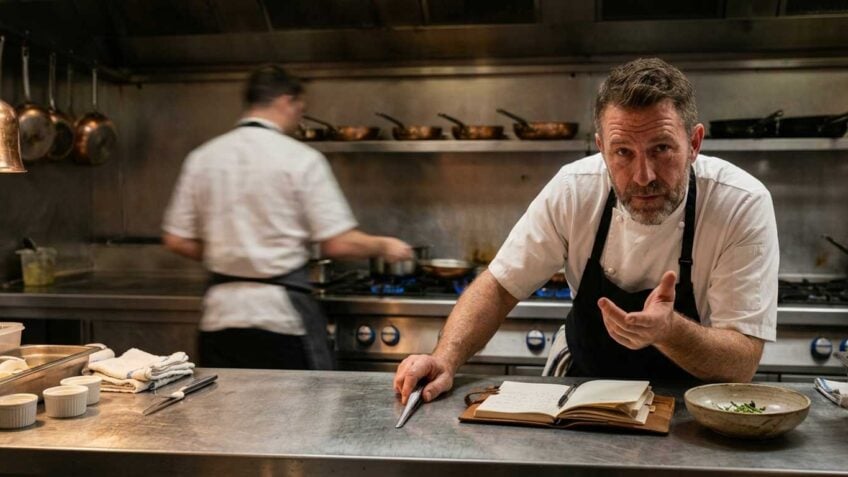
(And Why You Should Probably Listen)
The unfiltered truth from someone who’s been on both sides of the pass
I spent years running kitchens. Sweating through service, plating food at pace, yelling “hands!” when someone was about to walk into you carrying a pot of boiling water.
I’ve seen it all from behind the stove, and I’ve seen plenty from the dining room too. So let me share some things that don’t make it into the glossy food magazines.
Some of it will save you money. Some of it will change how you think about dining out. And some of it will just make you nod and go “yeah, that tracks.”
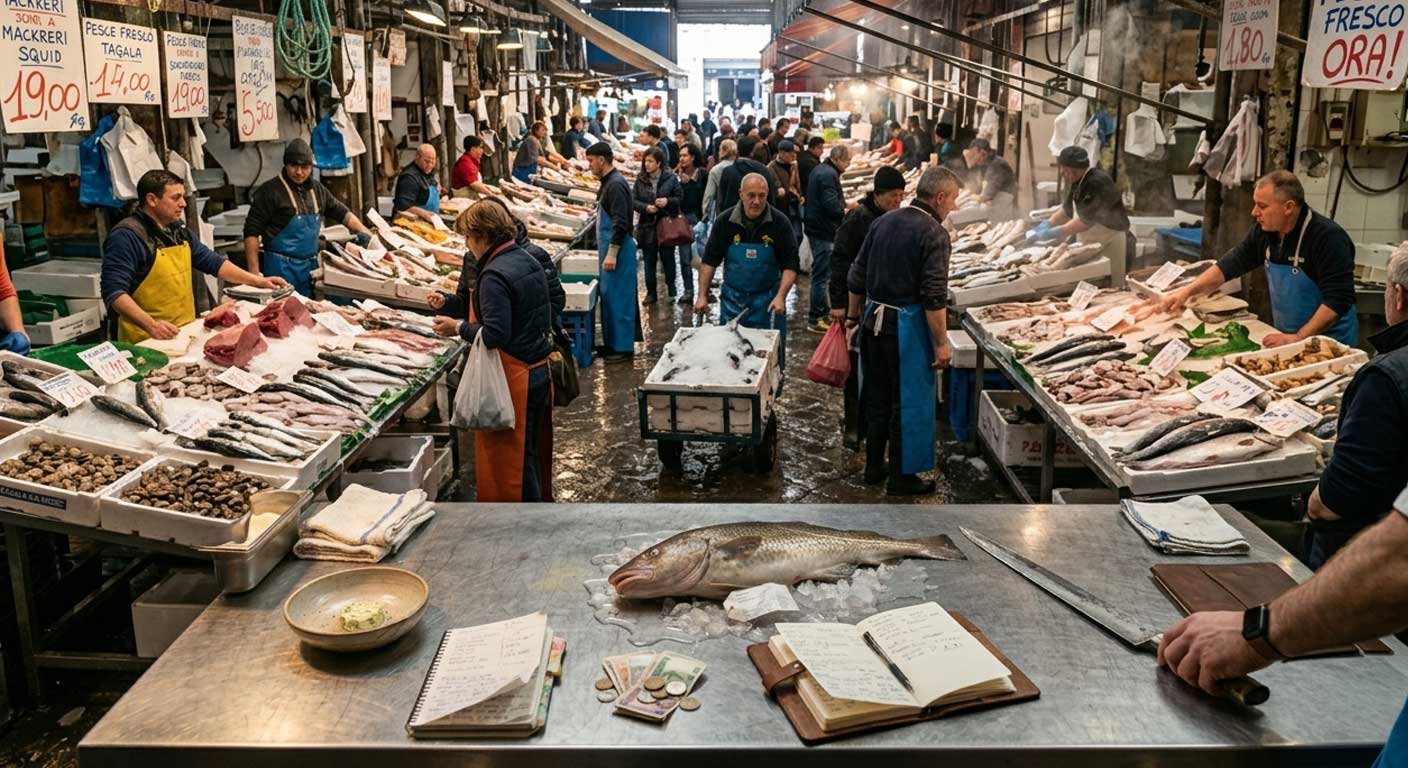
The Monday Fish Rule (It’s Real, But It’s More Complicated)
Anthony Bourdain made this famous: don’t order fish on a Monday. And he wasn’t wrong, exactly.
Most restaurants order their seafood on Thursday for the weekend rush. By Monday? That fish has been sitting in the walk-in cool room since Friday morning. You do the maths.
But here’s the nuance: a seafood restaurant with a daily supplier relationship is a completely different beast to a steakhouse that threw a pan-seared barramundi on the menu because the chef watched a cooking show.
Ask when the fish came in. A confident answer? You’re fine. A blank stare?
Order the chicken.
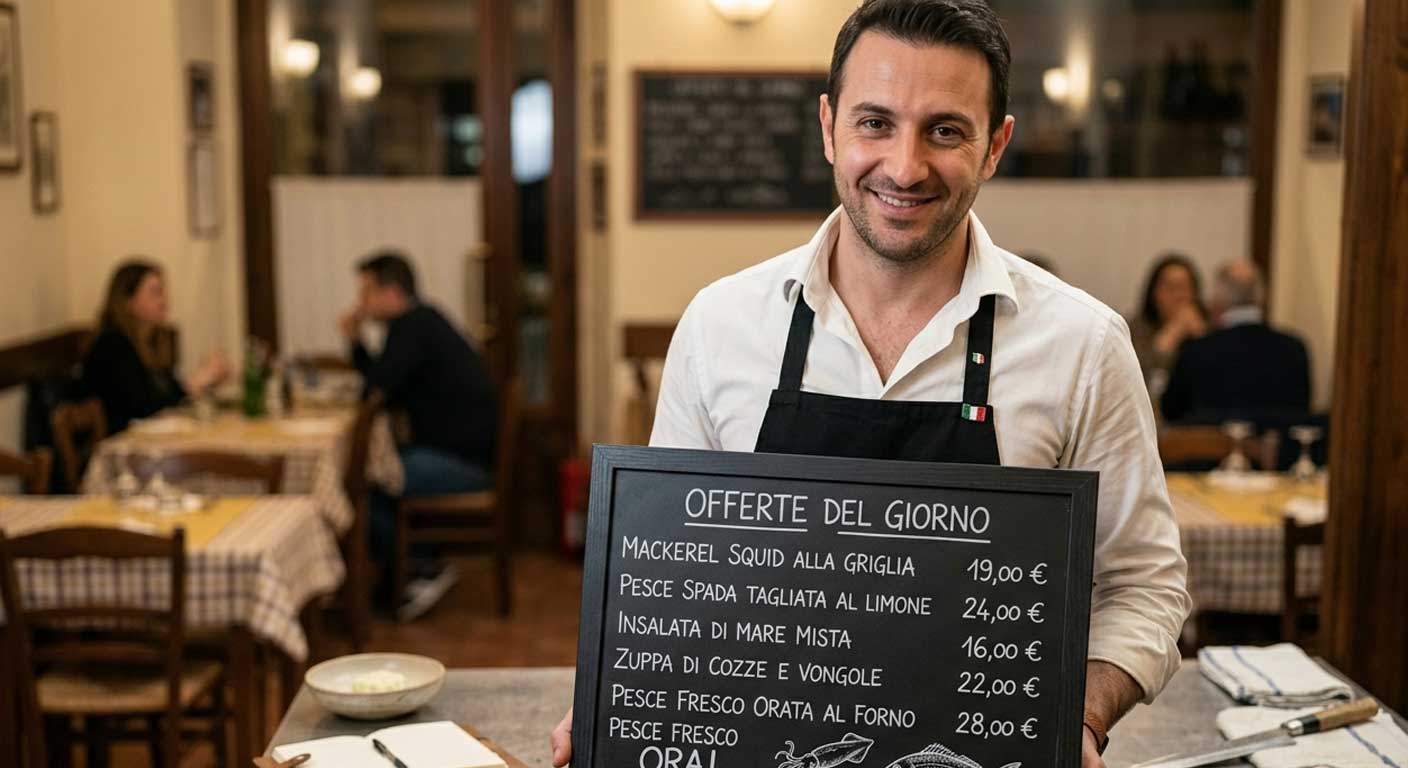
Daily Specials: The Beautiful Truth and the Ugly Truth
“Tonight’s special is a pan-roasted duck breast with a cherry reduction and…”
Yeah. Sometimes that’s genuinely because the chef got access to something brilliant. A supplier called. Something seasonal just came in. That’s the beautiful version.
The ugly version? The duck’s been in the walk-in “cool room” since the weekend and it needs to go tonight.
Same goes for the Soup of the Day, which is basically a culinary archaeological dig through whatever’s been hanging around since Tuesday’s delivery.
How do you tell the difference? Ask what’s in it and why it’s the special. Good kitchens answer that question with immediate enthusiasm. Bad ones give you something vague about “seasonal vegetables” and change the subject.
The Well-Done Steak: Okay, I’ll Be Honest
Here’s what actually happens in the kitchen when a well-done steak order comes in.
Someone says “they killed it.”
That’s the term. That’s what we called it. Not to be cruel, well, maybe a little, but because from a cooking standpoint it’s accurate.
A great cut of beef cooked to well-done loses most of its moisture. That beautiful marbling you paid good money for? Rendered completely away.
The thing that made it a premium cut in the first place? Gone.
You’ve essentially paid wagyu prices for a very expensive grey disc.
There’s also the timing problem. A medium-rare steak is done in 4-5 minutes. Well-done takes upward of 10. On a slammed Saturday service when every second of timing matters, that single order can throw an entire section off rhythm.
BUT, and this is important, a good kitchen will cook it exactly as you asked, with the same care as everything else. That was always my position.
You want it well-done, you get well-done, and it gets the same attention as every other plate going out. Your food, your call. I’ll just quietly mourn the steak’s potential.
Sending Food Back: The Real Story (From Someone Who Actually Cooked It)
The internet loves the idea that if you send food back, something terrible happens to it in the kitchen. Let me put that to rest.
In all my years in professional kitchens, I never once worked in or heard of a kitchen that deliberately messed with returned food. Not once.
Health codes, cameras, half a dozen staff standing witness. No rational person does that. And chefs with reputations to protect? Absolutely not. Good chef don’t think like that.
Here’s what actually happens. If there was an error, and sometimes there is, because kitchens are run by humans and humans occasionally make mistakes, it got fixed.
A sincere apology, a genuine fix, and your plate back out as fast as we could move it. Because you’re sitting there watching everyone else eat while yours gets sorted. That’s uncomfortable and we know it.
The returned plate, by the way? Goes straight in the bin. Any meat, in the dog bowl. No chef is re-serving a half-eaten dish. Food safety law doesn’t allow it, and no kitchen worth a damn would try.
When you should send food back:
- It’s undercooked to a food safety risk (raw chicken, barely-seared pork)
- It’s the wrong dish entirely
- It arrived cold when it should be hot
- There’s something in it that shouldn’t be there
When you shouldn’t:
- You just changed your mind about what you felt like
- You ate most of it and decided it wasn’t perfect
- The flavour wasn’t what you expected because you didn’t specify when ordering
And here’s the thing: most chefs and managers would rather you speak up in the moment than leave a one-star review later over something that could’ve been fixed with a two-minute conversation. Say something. We prefer it.
The Cold Plate Problem (This One’s Personal)
Pet hate. Absolute pet hate. Listen up restaurants…
Restaurants that serve beautiful food on cold or barely warm plates. The food hits the plate, loses heat in about 90 seconds, and by the time it reaches your table you’re eating a lukewarm version of what was meant to be great.
This happens constantly at places that should know better.
Never in my restaurant. Plates went out screaming hot. In fact, I used to remind staff regularly to inform the customers: do not touch the plates, they are very hot.
So what did they do? Touched the plates. Every time. Burn, wince, learn. Burn again next week.
I genuinely cannot explain it. But at least the food arrived hot, every time.
The Wine List: You’re Almost Certainly Paying Too Much
Let me tell you something that’ll sting a little. Some restaurants charge you more for four glasses of wine than an entire bottle of the same wine costs.
A standard bottle contains five glasses at proper pour size. So they’re selling you five glasses worth of wine at glass price, when you could’ve had the whole bottle for less.
Do the maths before you order by the glass on a night out. You might find the bottle is better value even if you don’t finish it.
There’s also the “second cheapest bottle” theory. Supposedly that’s the worst value because restaurants assume you’re embarrassed to order the cheapest. Research from the London School of Economics actually found that’s not really true.
The middle of the wine list is typically where the highest markups live, because that’s where most people land without overthinking it.
The honest best move? Tell the sommelier your budget and what you’re eating. They know the list inside out, they know which bottles are actually good value, and they love being asked rather than watching you stare at the list for ten minutes.
House wine exists to make margin, not to impress you. Move one or two steps up from the bottom, look for something that isn’t a major commercial brand, and you’re usually in genuinely good value territory.
The Frozen Mozzarella Stick Confession
Let me tell you something that will ruin a casual dining menu for you. Most mozzarella sticks or similar pre-made food you order at a mid-range restaurant arrived frozen in a truck.
They were never a kitchen achievement. They came out of a food service catalogue, dropped into a fryer, and landed on your plate with a little parsley garnish and a ramekin of marinara that also came out of a bag.
Any restaurant with a deep fryer and a freezer can offer mozzarella sticks. The barrier to entry is literally “do you have electricity and a supplier account.”
It’s not that frozen products exist. Professional kitchens use all kinds of pre-prepared base ingredients, and there’s nothing inherently wrong with that. It’s the margin.
You’re paying $16 for six cheese sticks that cost the restaurant maybe $1.80 landed and thirty seconds of fryer time. That’s not a dish. That’s a licence to print money.
And the mozzarella stick is just the most obvious example. Once you know what to look for, you start spotting the catalogue items everywhere.
Pre-formed crab cakes with that suspiciously perfect disc shape. Frozen soup bases that get “finished” with a handful of fresh herbs and some good theatre. Par-cooked chicken wings. Fried calamari rings, Salad dressings in 4-litre tubs with a house recipe label slapped on.
How to spot the real stuff: Ask if it’s made in-house. A kitchen that actually makes something from scratch will tell you immediately and with pride.
Hesitation, a vague “it’s our recipe,” or a server who has to go ask the kitchen? That’s your answer.
Chefs eating out skip the stuff that’s obviously low-skill and high-margin. They head straight for whatever’s labour-intensive, whatever’s specific to that kitchen, whatever couldn’t survive a supply chain. The stuff someone actually made. That’s what you’re there for.
Your Servers/ waiters Are Not Ignoring You. But Also, Calm Down.
Here’s a thing I want people to understand about front of house staff.
A good server is genuinely happy to chat. They like people. That’s partly why they’re in hospitality.
But catching someone mid-service on a flat-out Saturday night and settling in for a 10-minute conversation about their life story? That’s a different energy.
They’ve got six tables on the go, someone’s waiting for their bill, a kitchen ticket is expiring, and they’re standing there nodding politely while you explain your nephew’s gap year.
They are professionals. They will not show it. But they feel it.
Here’s the flip side though: being invisible is just as bad. You know the experience. You’ve been sitting there for 12 minutes, your water glass has been empty since the entrees, and not a single person has made eye contact with you. Maddeningly frustrating.
And then there’s the opposite extreme. The server who refills your water every 30 seconds. Checks in between every bite. Appears at the table so regularly they may as well pull up a chair and move in.
The sweet spot is attentive without being intrusive. It’s a skill, and when you find someone who has it, tip them accordingly.
What actually makes you a great table:
- Eye contact and a real “hello” when they arrive
- Order with confidence or ask honest questions
- Bundle your requests instead of sending them back five separate times
- Show some patience during a visible rush
- If the service has been genuinely excellent, say so out loud in the moment
Servers are human beings, not functions. Treat them accordingly and you’ll have a noticeably better night.
The Menu Is Tricking You (Legally and Brilliantly)
When you open a double-page menu, your eyes naturally land on the upper right. Restaurants have known this for decades. That’s where the highest-margin items live, not necessarily the best, just the most profitable.
Dollar signs are often removed from menus entirely. Studies show that seeing “$” activates the part of the brain associated with loss. Take it away, and spending feels more like an experience than a transaction.
Decoy pricing is my personal favourite trick. That $120 wagyu option isn’t really there to sell wagyu. It’s there to make the $58 ribeye look reasonable by comparison.
The restaurant might sell three wagyus a month. Doesn’t matter. Its job is to reshape your perception of everything around it.
And descriptive language increases sales by up to 27% according to Cornell University research. “Slow-braised heritage pork shoulder with apple cider reduction” outsells “pork shoulder” from the same kitchen making the identical dish.
You are being sold a story. The food is the same.
What Chefs Actually Order When They Go Out
They ask what the kitchen is proud of. Not what’s popular. Not what looks interesting on paper. What the team actually loves making.
That dish has been refined a thousand times. That’s where the confidence lives.
They skip anything that could’ve come from a supplier catalogue. They order proteins that require skill, a properly cooked piece of fish, a slow braise, a duck breast rested correctly, because those reveal a kitchen’s competence in a way a salad simply cannot.
And almost universally, they trust the person serving them. The server knows things about that specific menu that no amount of online research will tell you. Ask them. It’s genuinely the smartest move you can make.
The Short Version
Arrive at a reasonable hour. Be kind to everyone. Ask real questions. Trust the recommendations.
Check if the bottle is cheaper than four glasses before you order by the glass. And if something goes wrong, speak up calmly in the moment rather than stewing silently and leaving a review.
The people who work in hospitality because they actually love it are pulling for you to have a great night. They want you to leave happy. Give them something to work with.
And please restaurant managers and Chefs, for the love of all that is good, make sure the plates are hot before the food goes on them. Now reserve me a table!
Sources and further reading:
- Anthony Bourdain’s Monday Fish Rule — Mashed
- The Second-Cheapest Wine Dilemma — Star Wine List
- University of Sussex: Second Cheapest Wine Myth
- What Really Happens When You Send Food Back — Tasting Table
- Why Chefs Hate Well-Done Steak — The Takeout
- Restaurant Lemon Wedge Bacteria — Food Republic
- 10 Habits That Earn You Better Restaurant Service — Tasting Table
- 12 Psychological Tricks of Restaurant Menus — Modern Restaurant Management
- When It’s OK to Send Food Back — CNBC






You must be logged in to post a comment