
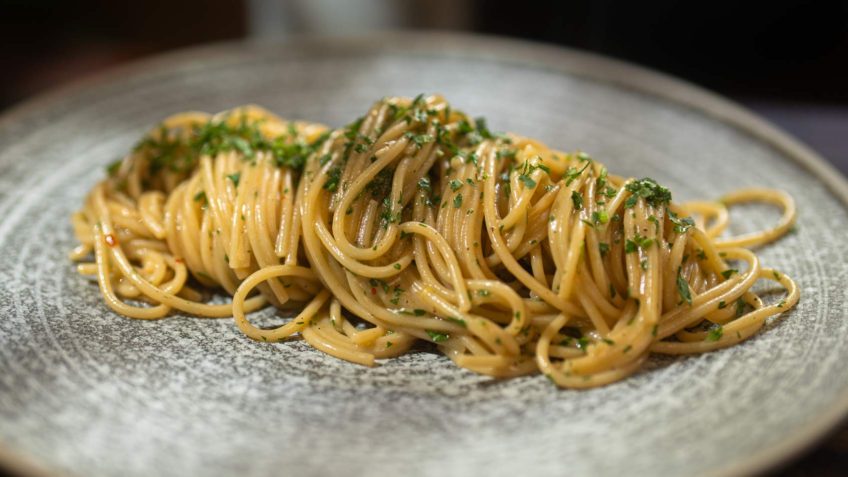
Most people think anchovy pasta tastes salty and strong. They are wrong, and this recipe proves it.
When anchovies melt slowly into butter on low heat they completely dissolve and transform into something silky, savoury, and deeply complex. No fishiness. Just that back alley Italian kitchen magic that makes simple food taste extraordinary.
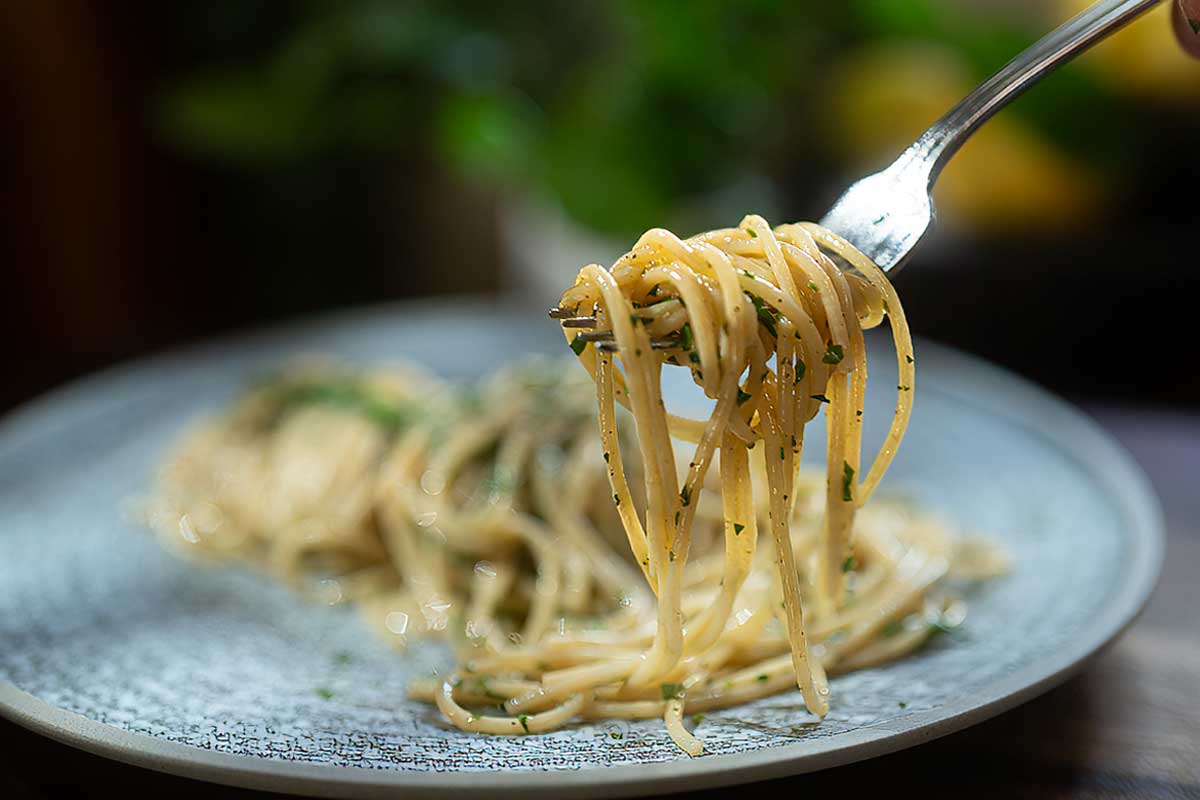
Fast, silky, and made almost entirely from pantry staples. This is the pasta you make when you want something brilliant without any fuss.
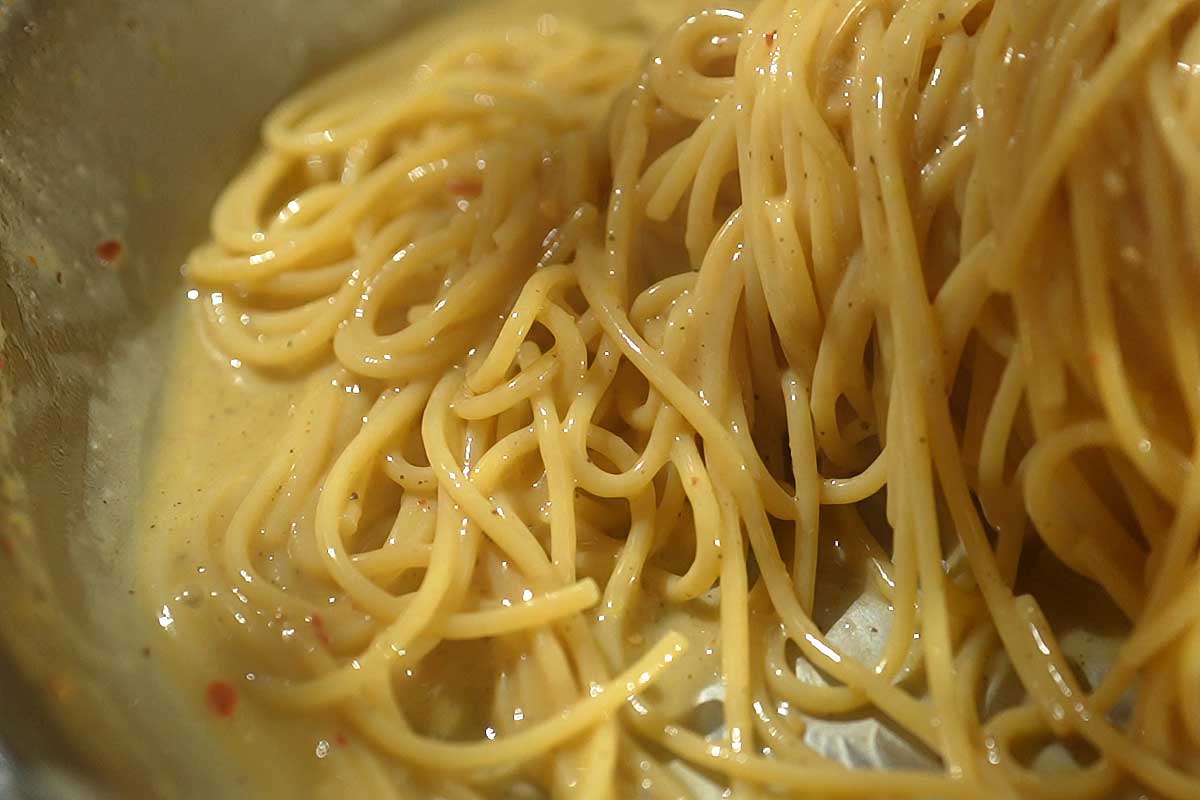
What Is Emulsification and Why It Matters
Emulsification is the secret behind every silky Italian pasta sauce.
When you add starchy pasta water to melted butter and anchovies and toss continuously, the starch binds the fat and water together into a glossy, creamy sauce that clings to every strand of pasta. Without this step you just have buttery pasta. With it you have something that tastes like a restaurant made it.
The more you toss, the better the emulsion. Patience and continuous movement is what creates that gloss.
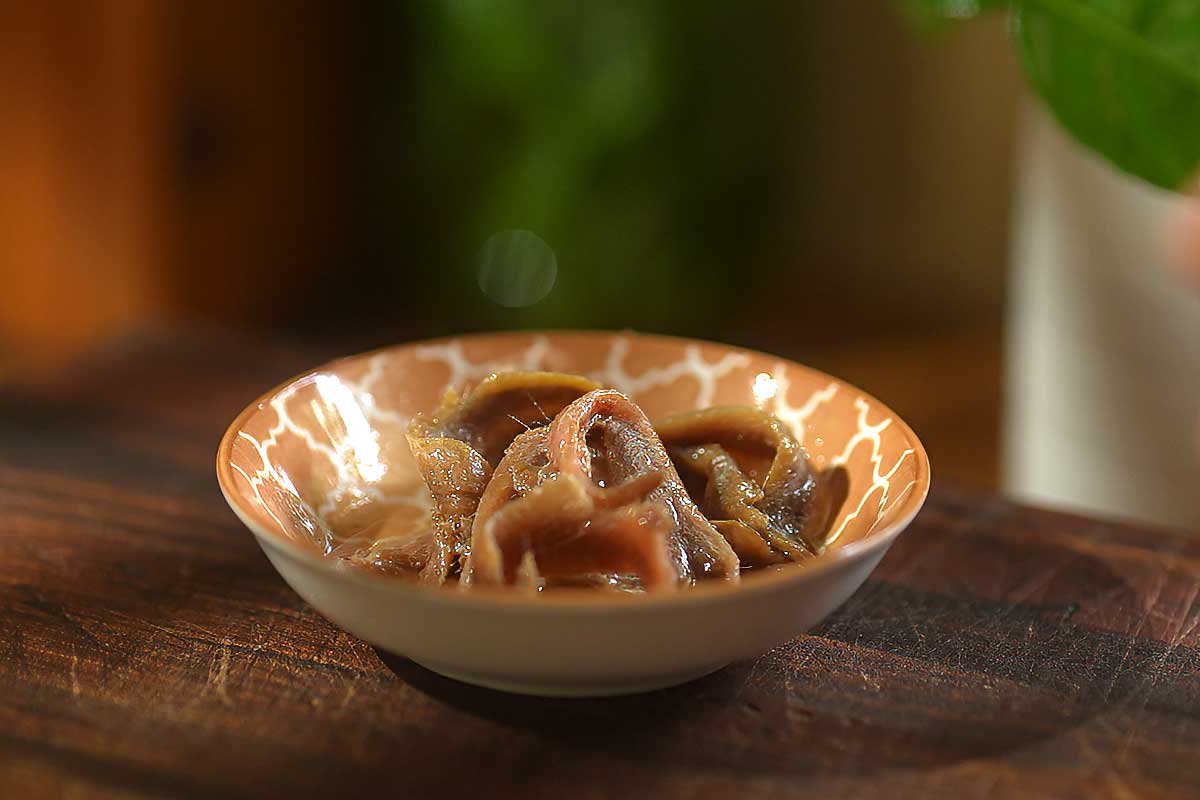
Why Anchovies Do Not Taste Fishy Here
The key is low heat and time.
Anchovies fried hard on high heat taste strong and salty. Anchovies melted slowly in butter on low heat dissolve completely and become pure umami. The same glutamate compounds that make aged Parmesan, Worcestershire sauce, and soy sauce taste deeply savoury.
You will not taste fish. You will taste something richer and more complex than plain butter pasta and not be able to explain exactly why.
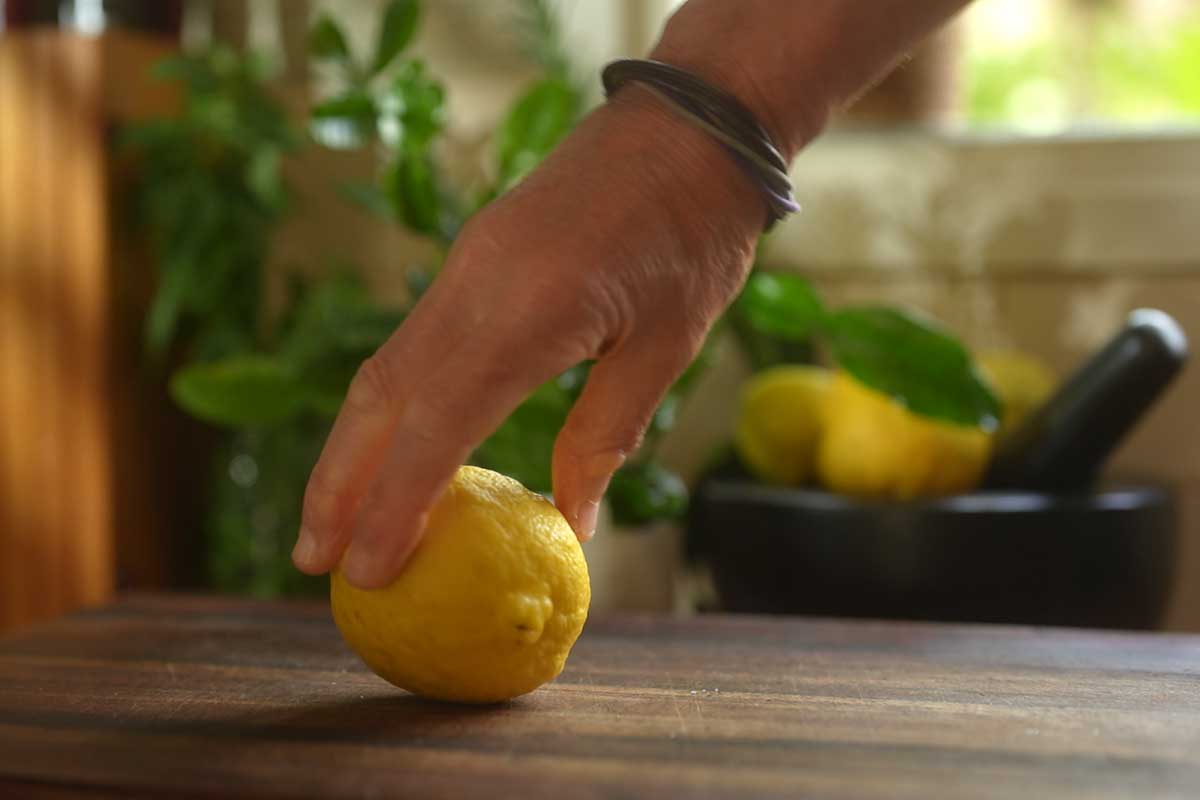
The Lemon and Chili Balance
The lemon does two jobs here. The zest goes in early for fragrance and the juice goes in later for brightness and acidity.
Without the lemon this dish can feel heavy and one dimensional. The acid cuts through the butter richness and keeps every bite feeling fresh.
The chili flakes add a gentle warmth rather than real heat. Just enough to make the sauce feel alive. Adjust up or down to suit your crowd.
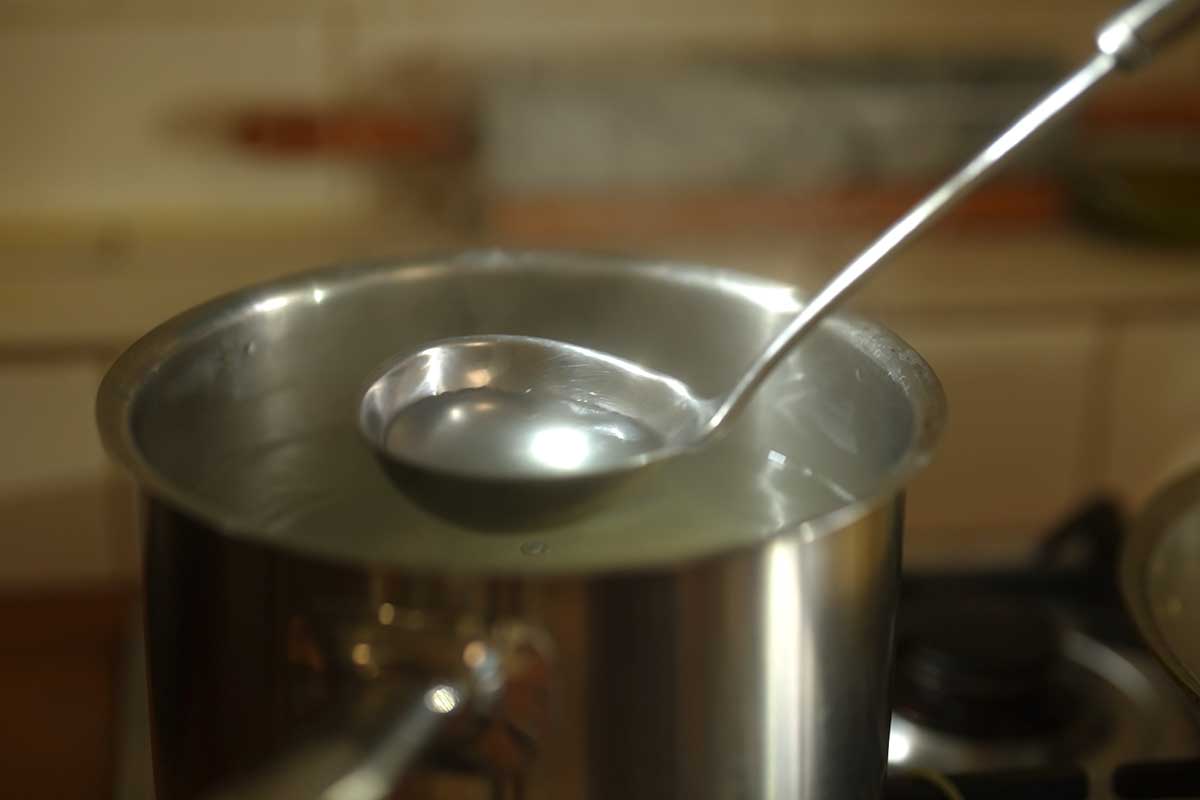
The Pasta Water Rule
Never drain your pasta without saving at least a full cup of the cooking water first.
Pasta water is starchy, salty, and slightly cloudy. It is the binding agent that turns melted butter and dissolved anchovies into a sauce that actually clings to the pasta instead of pooling at the bottom of the bowl.
Add it slowly, one splash at a time, tossing continuously. Gloss comes from patience, not quantity.
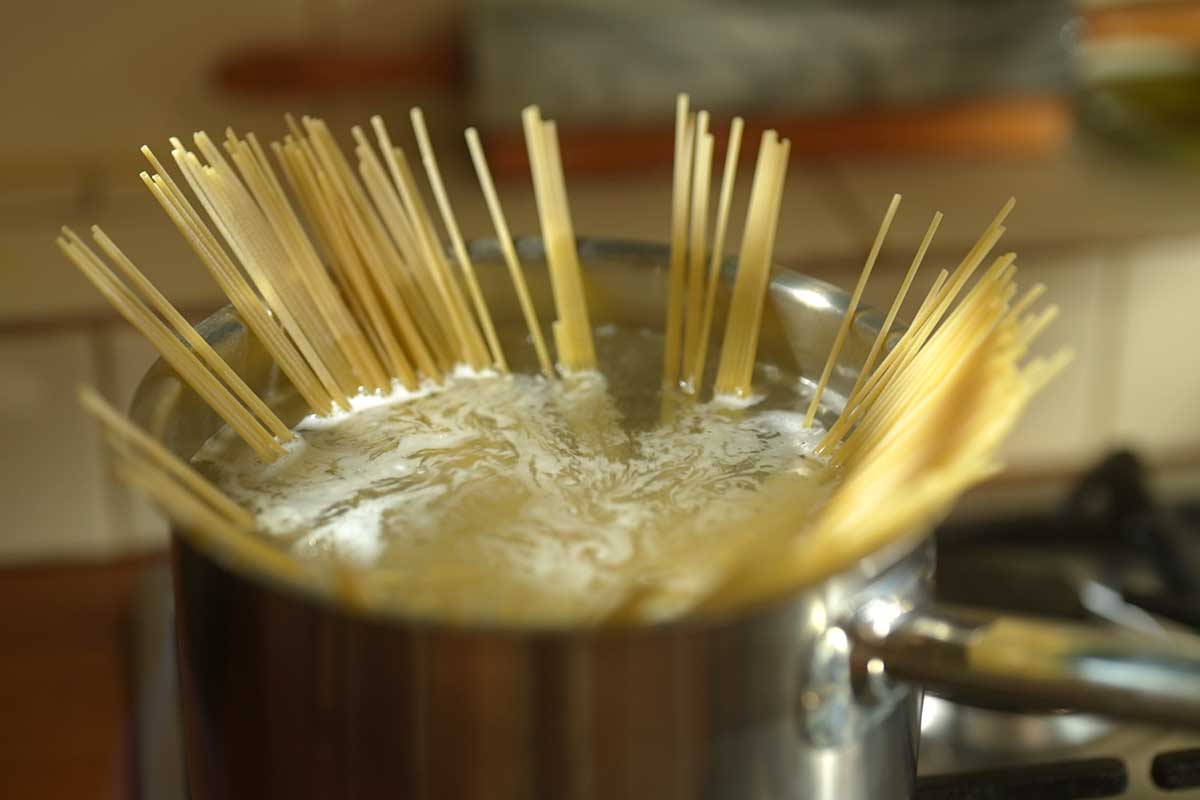
Cooking Tips
Keep the heat low when melting the anchovies. They need to dissolve gently into the butter, not fry. The butter can foam slightly but should never brown.
Use the garlic clove whole and lightly smashed. It infuses the butter with garlic flavour without overpowering the anchovies. Remove it before adding the pasta.
Transfer the pasta straight from the boiling water to the pan using tongs. A little extra pasta water comes with it and that is exactly what you want.
Toss continuously once the pasta goes in. The friction and movement is what builds the emulsion and creates that glossy finish.
Taste before adding salt. Anchovies are already salty. You may need none at all.
Add the parsley off the heat at the very end. Heat destroys fresh parsley fast. Fold it through after the pan comes off the stove.
Ingredient Swaps
No anchovies? A small splash of Worcestershire sauce and an extra pinch of salt gets you in the right direction but it is not the same. This dish is built around anchovies. Try it with them at least once.
No spaghetti? Linguine or bucatini both work beautifully. Any long pasta that can be tossed and twirled in the sauce.
No chili flakes? A very small amount of finely chopped fresh chili works well. Or leave it out entirely for a milder version.
Want more richness? A small spoonful of good quality capers added with the anchovies adds another layer of briny depth.
Common Mistakes
Melting the anchovies on high heat. They will fry instead of dissolve and the sauce will taste strong and salty instead of silky and complex.
Forgetting to save pasta water. Once you drain the pasta it is gone. Put a mug next to your colander before you drain as a reminder.
Adding too much pasta water at once. Add it slowly one splash at a time. Too much at once breaks the emulsion and you end up with a watery sauce.
Not tossing enough. The emulsion builds through movement. A quick stir is not enough. Toss continuously for at least a minute once the pasta goes in.
Adding parsley too early. It goes black and loses all its freshness the moment it hits heat. Always off the heat at the very end.
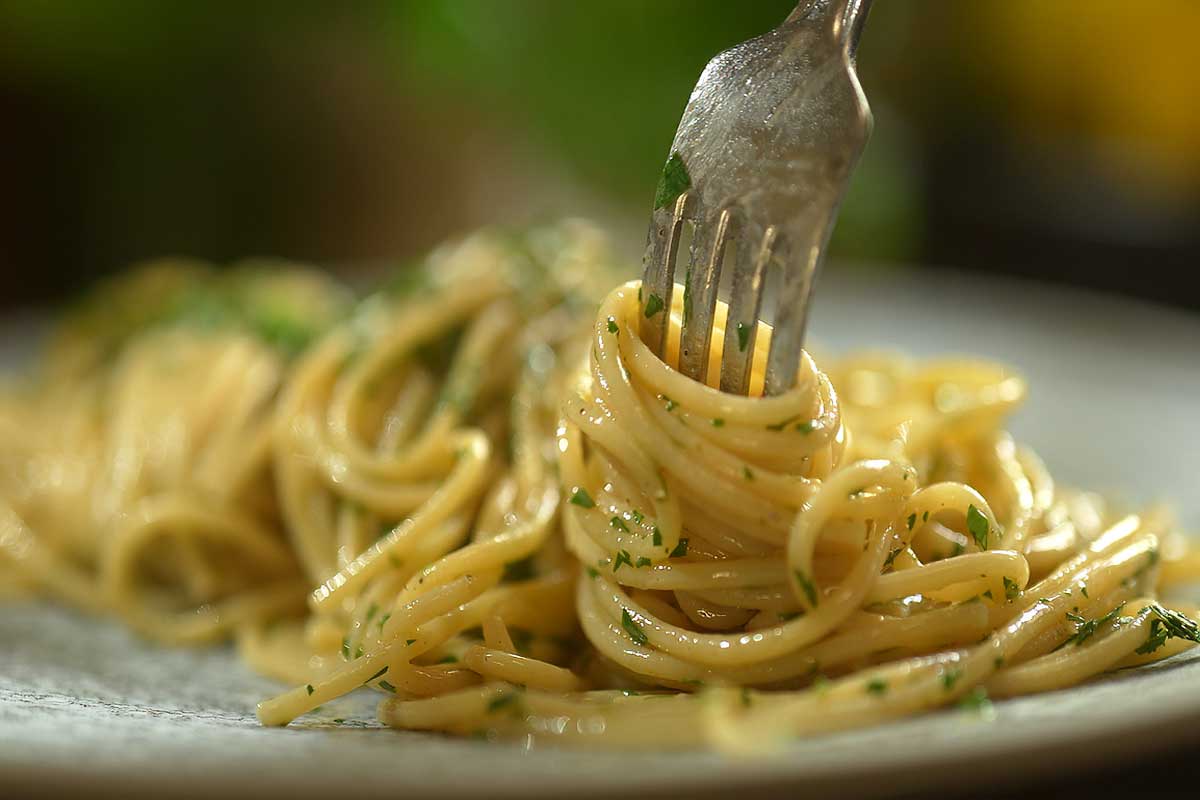
What to Serve With It
This is a complete meal on its own. Simple and perfect as it is.
A crisp green salad with lemon dressing alongside cuts through the richness beautifully.
Crusty bread for mopping the plate. Do not waste a drop of that sauce.
A glass of cold Pinot Grigio or Vermentino is the ideal match. Crisp and dry to echo the lemon in the dish.
Storage and Reheating
This pasta is best eaten immediately. The emulsion breaks as it cools and the pasta absorbs the sauce as it sits.
If you must store it, keep covered in the fridge for up to 1 day. Reheat gently in a pan with a small splash of water and a tiny extra knob of butter, tossing continuously to rebuild the sauce.
Do not freeze. Pasta texture suffers badly after freezing and the emulsified sauce will not survive it.
FAQs
How many anchovy fillets should I use?
The recipe calls for 5 to 6 fillets. Start with 5 if you are nervous and taste the sauce before adding pasta. You can always add more but you cannot take them away.
Can I use anchovy paste instead of fillets?
Yes. About half a teaspoon of good quality anchovy paste is roughly equivalent to one fillet. It dissolves even faster than fillets which makes it a useful shortcut.
Is this recipe gluten free?
Swap the spaghetti for a good gluten free pasta. Everything else is naturally gluten free.
Why is my sauce greasy instead of glossy?
The emulsion broke. Usually means the heat was too high or not enough pasta water was added. Next time keep the heat low and add pasta water slowly while tossing continuously.
Can I add Parmesan?
Traditionally no. Italians generally do not combine cheese with fish or seafood based sauces. But if you want to, a small amount of finely grated Parmesan added off the heat will not ruin it. Just do not tell anyone in Naples.
Can I make this for two people?
The recipe already serves two. For four people simply double everything and use a larger pan so you have room to toss the pasta properly.
 By
By 
You must be logged in to post a comment