
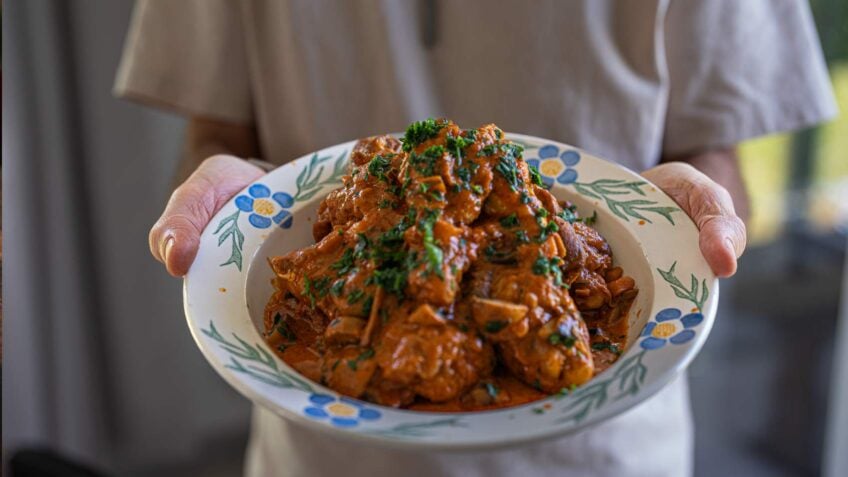
The Hunter’s Chicken That Warms the Whole House
Chicken Chasseur, or Poulet Chasseur in French, is one of those dishes that fills the kitchen with a smell so good people start appearing from other rooms.
Rich tomato, white wine, mushrooms, tarragon and a splash of cream. It’s deeply comforting, deeply French, and a lot simpler to make than it sounds.
The name means Hunter’s Chicken. The story goes that French hunters would prepare this dish using whatever they had on hand after a day in the field. Mushrooms foraged from the forest, wine, herbs, and whatever birds they’d brought home. Simple, resourceful, and absolutely delicious.
Why This Recipe Works
The secret is building flavour in layers, and this recipe does it properly.
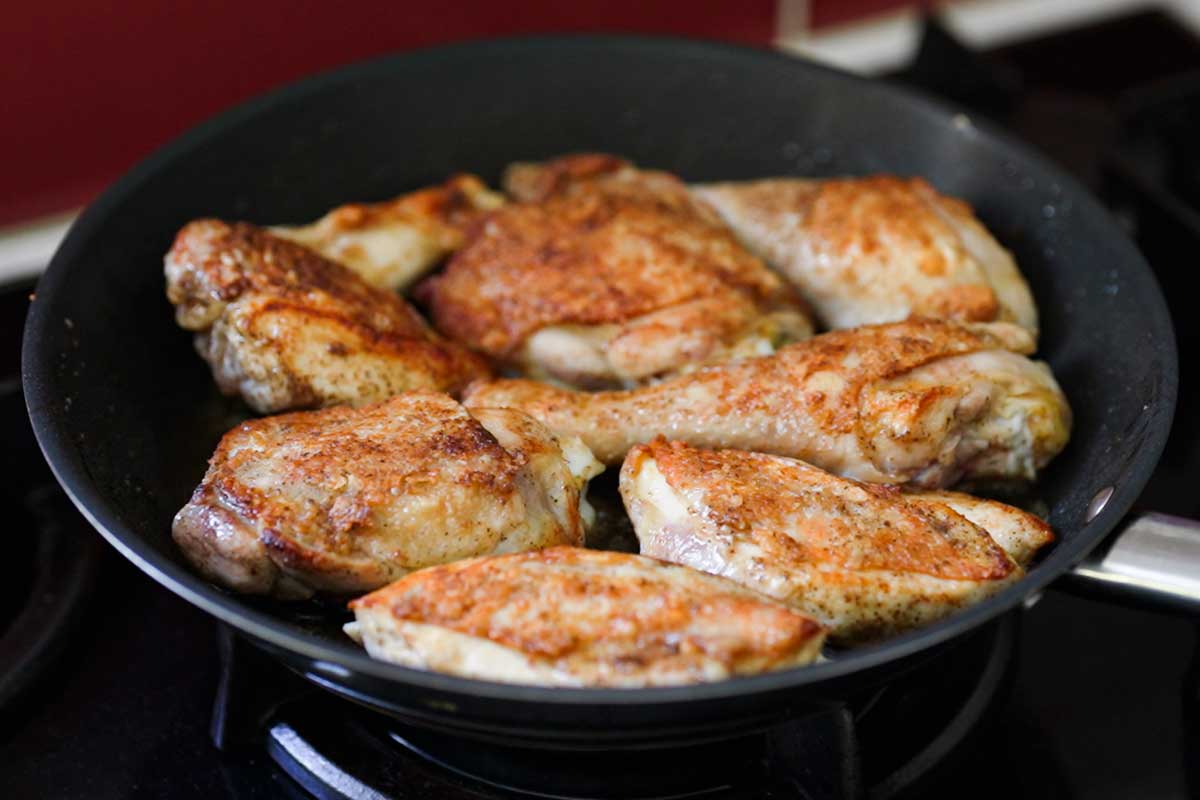
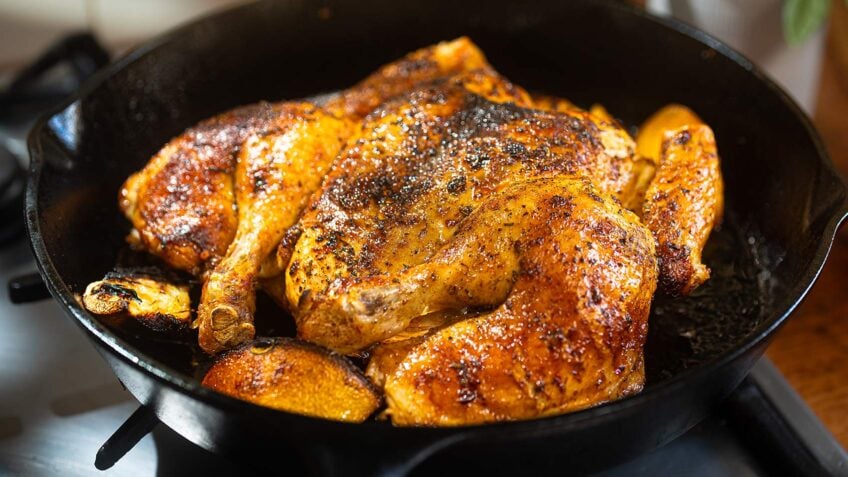
The chicken is browned first over high heat until golden and caramelised on all sides. That colour is flavour and it goes straight into the sauce.
Then the wine deglazes the pan, lifting all those sticky browned bits from the bottom. Every bit of that goes into the sauce too. Nothing is wasted.
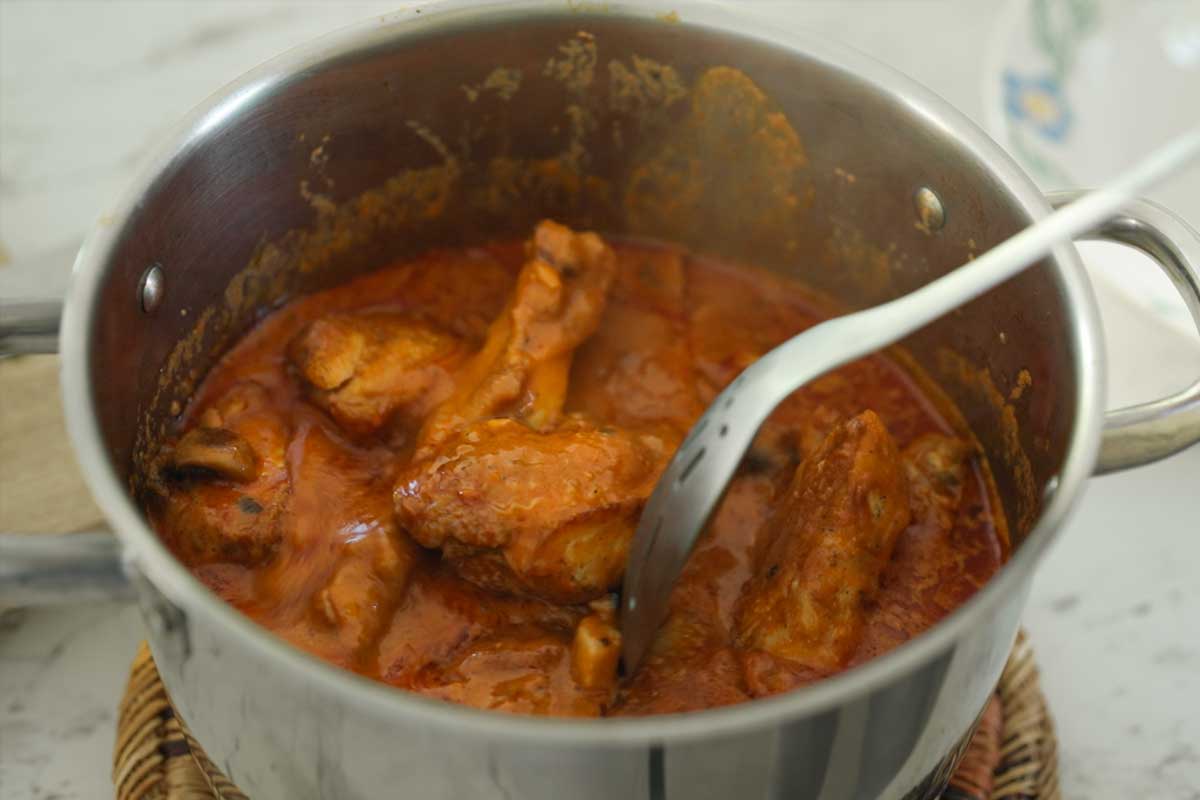
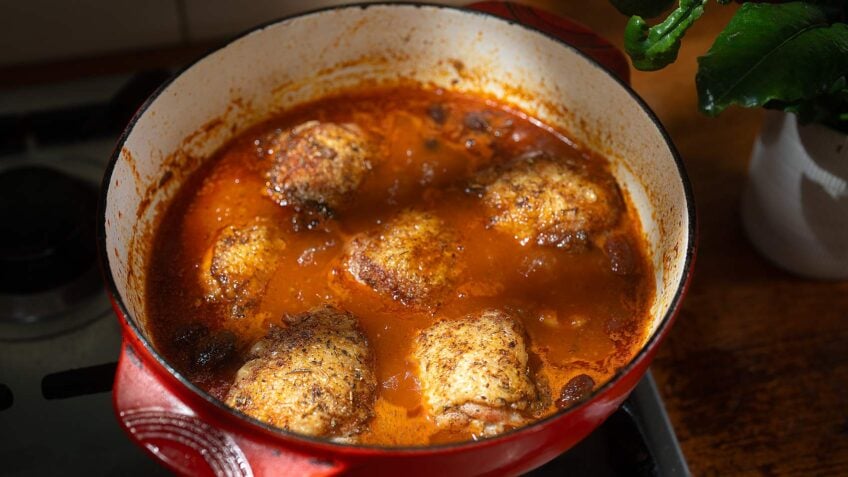
The long, gentle simmer at the end does the rest. The chicken becomes tender, the sauce thickens and concentrates, and everything melds together into something far greater than the sum of its parts.
Why Homemade Chicken Stock Makes a Difference
If you’re breaking down a whole chicken for this recipe, don’t throw away the carcass.
Brown the bones in a little oil, cover with water, add the bay leaves and simmer for 30 minutes. That’s all a simple homemade stock takes, and the depth it adds to the finished sauce is noticeable.
A good quality store-bought stock works perfectly well if you’re short on time. But if you have the bones, use them.
Cooking Tips
Brown the chicken properly. Don’t rush this step and don’t overcrowd the pan. You want deep golden colour on all sides, not pale steamed chicken. Do it in batches if needed.
Scrape the bottom of the pan when you add the wine. Those sticky caramelised bits are concentrated flavour. Get every bit of it into the sauce.
Reduce the wine by half before adding the stock. This cooks off the raw alcohol and concentrates the flavour. Don’t skip this step.
Keep the simmer low and gentle for the full 45 minutes. A rolling boil will tighten the chicken and make it tough. Low and slow keeps it tender.
Taste the sauce before serving and adjust the seasoning. The flavour develops a lot during the long simmer and it often needs a final pinch of salt at the end.
Ingredient Swaps
No whole chicken? Bone-in chicken thighs and drumsticks work beautifully and are often cheaper. They’re also more forgiving in a long braise.

No dry white wine? A dry vermouth works well. Or use extra chicken stock with a splash of white wine vinegar for acidity.
No fresh tarragon? Dried tarragon is already in this recipe and works perfectly. If you can find fresh tarragon, add a small handful at the very end instead.
No heavy cream? Leave it out entirely for a lighter, more traditional version. The sauce is delicious either way.
No button mushrooms? Cremini or Swiss brown mushrooms have a deeper flavour and work even better if you can find them.
Common Mistakes
Not browning the chicken enough. Pale chicken going into the braise means a pale, flat-tasting sauce coming out. Take the time to get proper colour.
Simmering too hard. Chicken Chasseur needs gentle, patient heat. A hard boil makes the chicken tough and can cause the sauce to split.
Adding the cream too early. Cream added early in a long braise can curdle or separate. Add it towards the end once the sauce has already developed.
Not deglazing the pan properly. Those browned bits stuck to the bottom of the pan are too good to leave behind. Add the wine and scrape every bit loose.
What to Serve With It
Creamy mashed potato is the classic and perfect pairing. The sauce soaks into the mash in the best possible way.
Crusty French bread for mopping up the sauce. Non-negotiable.
Steamed rice is a great lighter option that still soaks up all that sauce beautifully.
Simple steamed green beans or wilted spinach on the side keeps things balanced without competing with the rich sauce.
A glass of the same dry white wine you used in the cooking. Always the right call.
Storage and Reheating
Fridge: Store covered for up to 3 days. The flavour improves significantly overnight as the sauce continues to develop.
Freezer: Chicken Chasseur freezes very well for up to 3 months. Cool completely before freezing and thaw overnight in the fridge.
Reheat gently over low heat on the stovetop, adding a small splash of water or stock if the sauce has thickened too much.
FAQs
What does Chasseur mean?
Chasseur is the French word for hunter. The dish is also known as Poulet Chasseur, or Hunter’s Chicken, referencing its rustic origins as a dish prepared by hunters using foraged mushrooms, wine and whatever they had available.
Can I use chicken breast instead of a whole chicken?
You can, but bone-in thighs and drumsticks are a much better choice for a long braise. Chicken breast dries out easily over 45 minutes of simmering. If you use breast, reduce the simmering time to around 20 minutes and check it carefully.
What wine should I use?
Any dry white wine you’d enjoy drinking works well. Sauvignon Blanc, Pinot Grigio or a dry Chardonnay are all great options. Avoid sweet wines as they throw the balance of the sauce off.
Can I make this in a slow cooker?
Yes. Brown the chicken and build the sauce on the stovetop first, then transfer everything to the slow cooker and cook on low for 6 to 7 hours. The result is incredibly tender chicken.
Is Chicken Chasseur gluten free?
The recipe uses a small amount of plain flour to coat the chicken before browning. Swap this for a gluten free plain flour blend and the rest of the recipe is naturally gluten free.
A Classic Worth Knowing
French cooking has a reputation for being complicated and intimidating. Chicken Chasseur proves that reputation wrong.
It’s a one pot braise that practically looks after itself once everything is in. You get all the elegance and depth of a classic French bistro dish with a method that any home cook can handle on a weeknight.
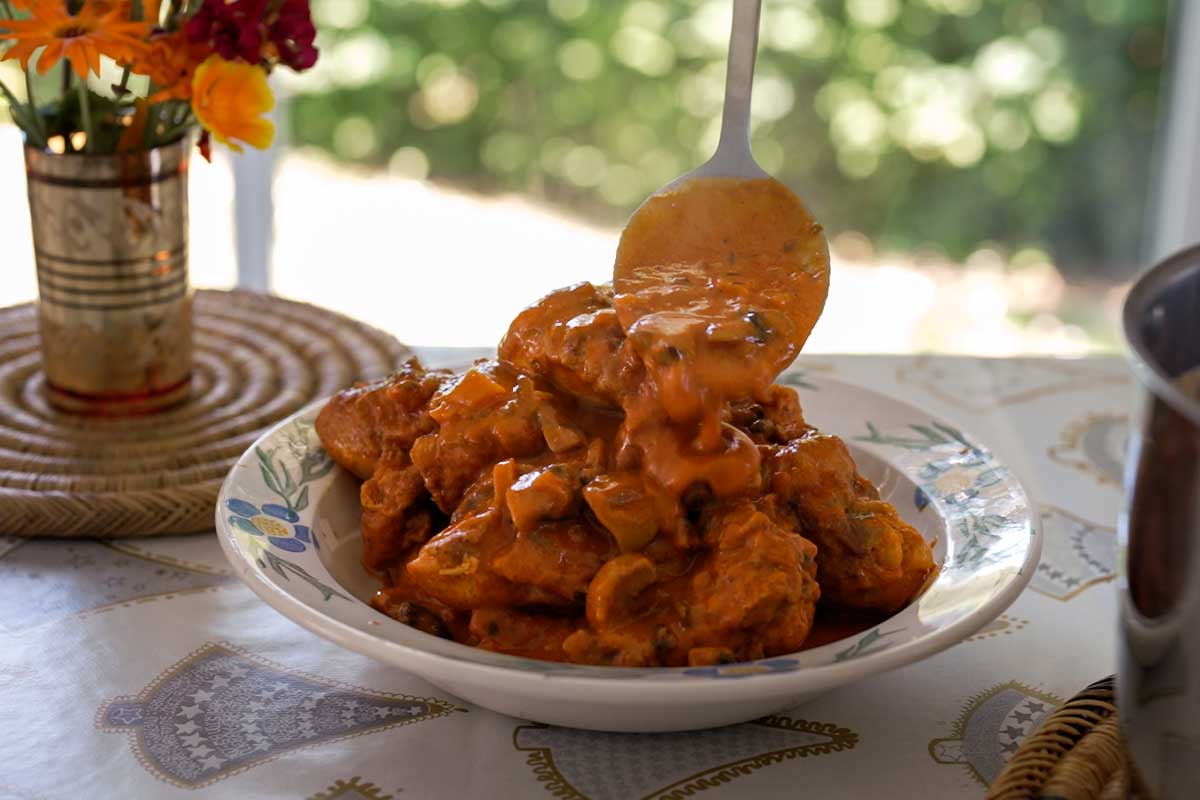
The sauce is what people remember. Rich, glossy, packed with tomato, mushroom and wine, with that quiet hum of tarragon running through it.
This is the kind of recipe that makes people ask for the recipe. Keep it in your back pocket.
 By
By 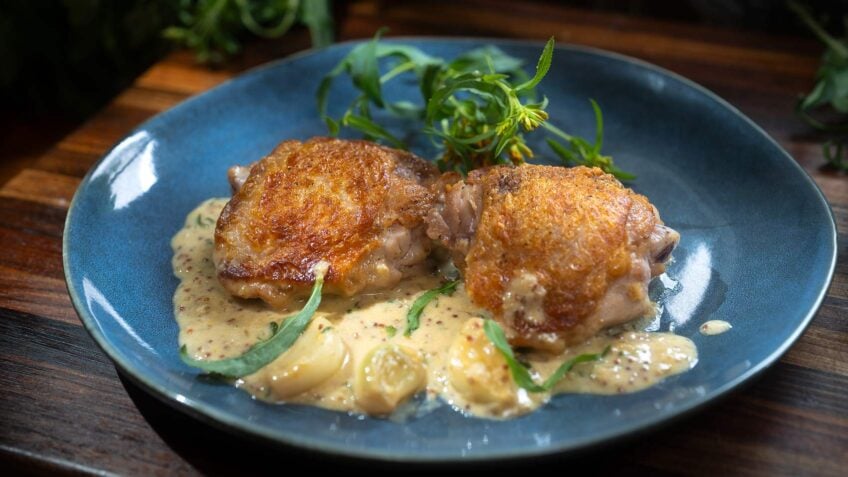
You must be logged in to post a comment