
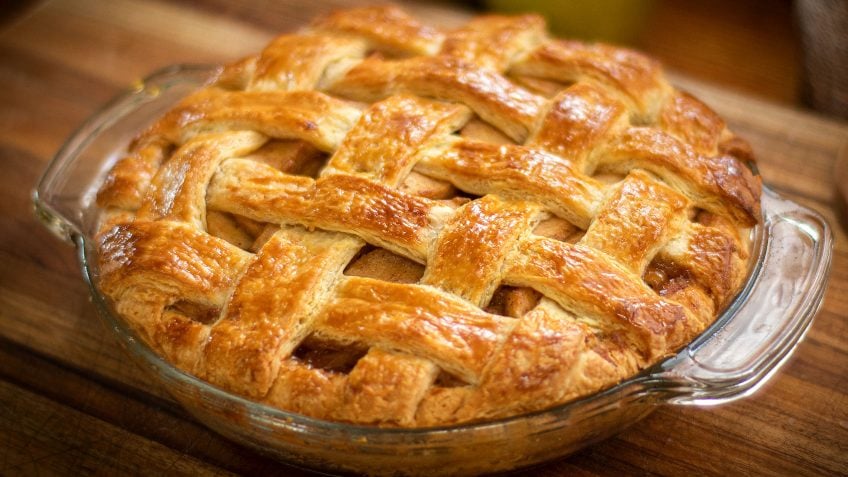
A proper apple pie. Buttery, flaky crust, perfectly spiced filling, and a lattice top that does more than just look beautiful.
This is the kind of pie that makes the whole house smell like it should. Great for Thanksgiving, Christmas, or honestly any Tuesday that needs improving.
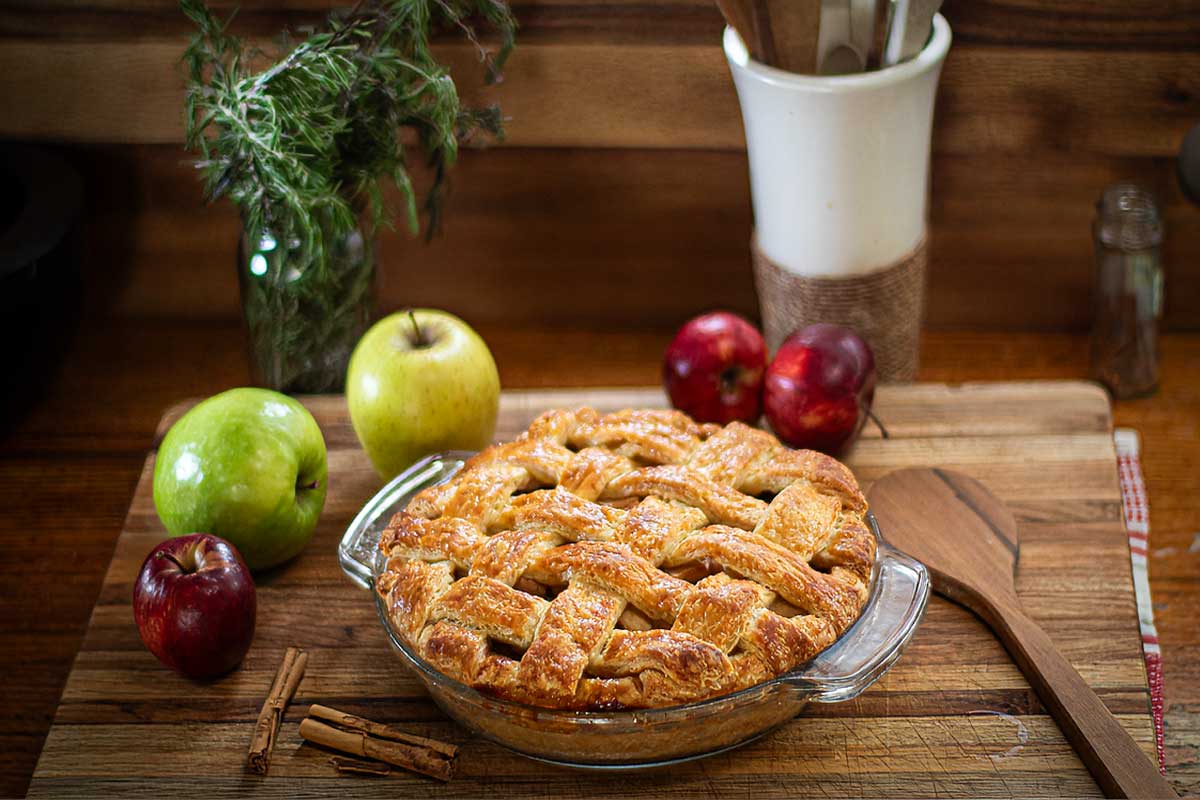
Why Two Types of Apple
Most apple pie recipes use one variety and wonder why the filling is either too sweet or too soft.
Granny Smith apples are tart and hold their shape beautifully during cooking. Jonathan apples are sweeter and juicier. Together they create a filling with complexity, the right balance of sweet and tart, and a texture that is soft but not mushy.
Using a single variety is like making a chord with one note. Two apples makes it a proper song.
The Spice Balance
Most apple pie recipes are overloaded with cinnamon. You end up tasting spice instead of apple.
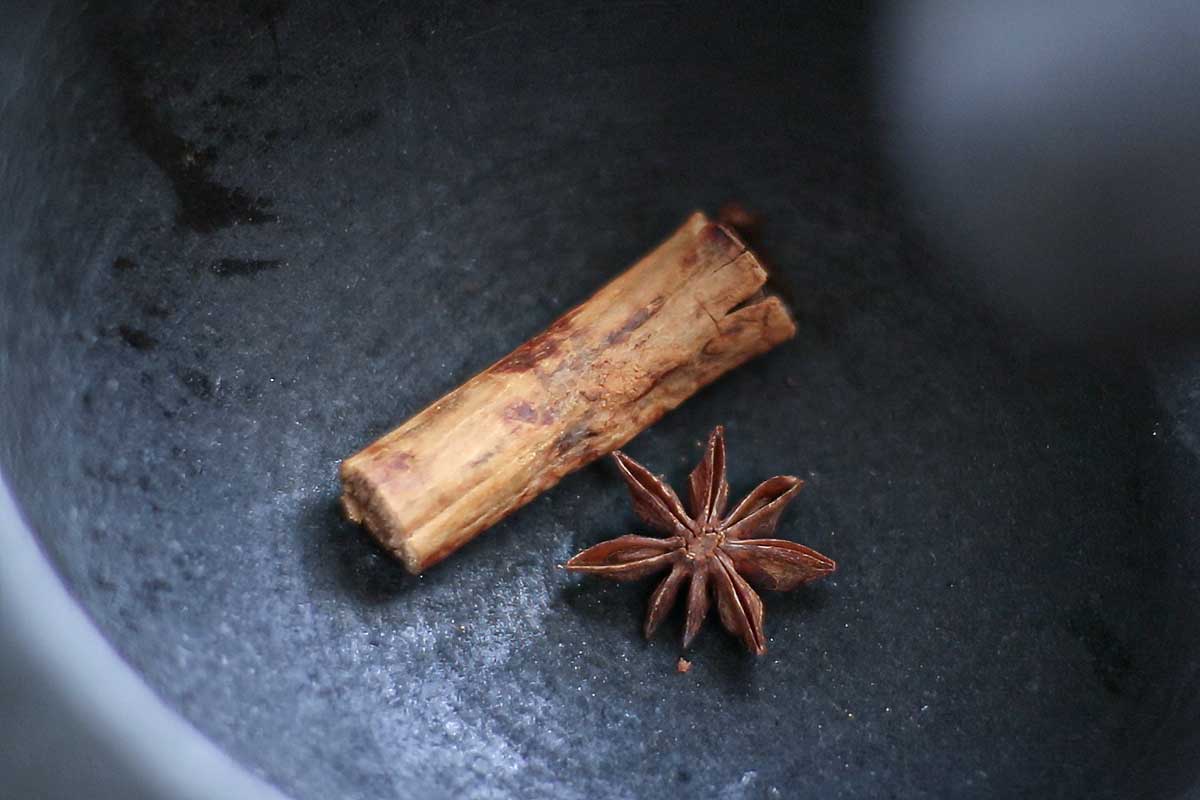
Here the spices are toasted whole in a dry pan first, then ground. Toasting activates the essential oils and deepens the flavour significantly. The combination of star anise, clove, and half a cinnamon stick is subtle enough to enhance the apple without overpowering it.
You should taste apple first and spice second. That is the whole point.
Why the Lattice Top Matters
The lattice is not just decorative. It is functional.
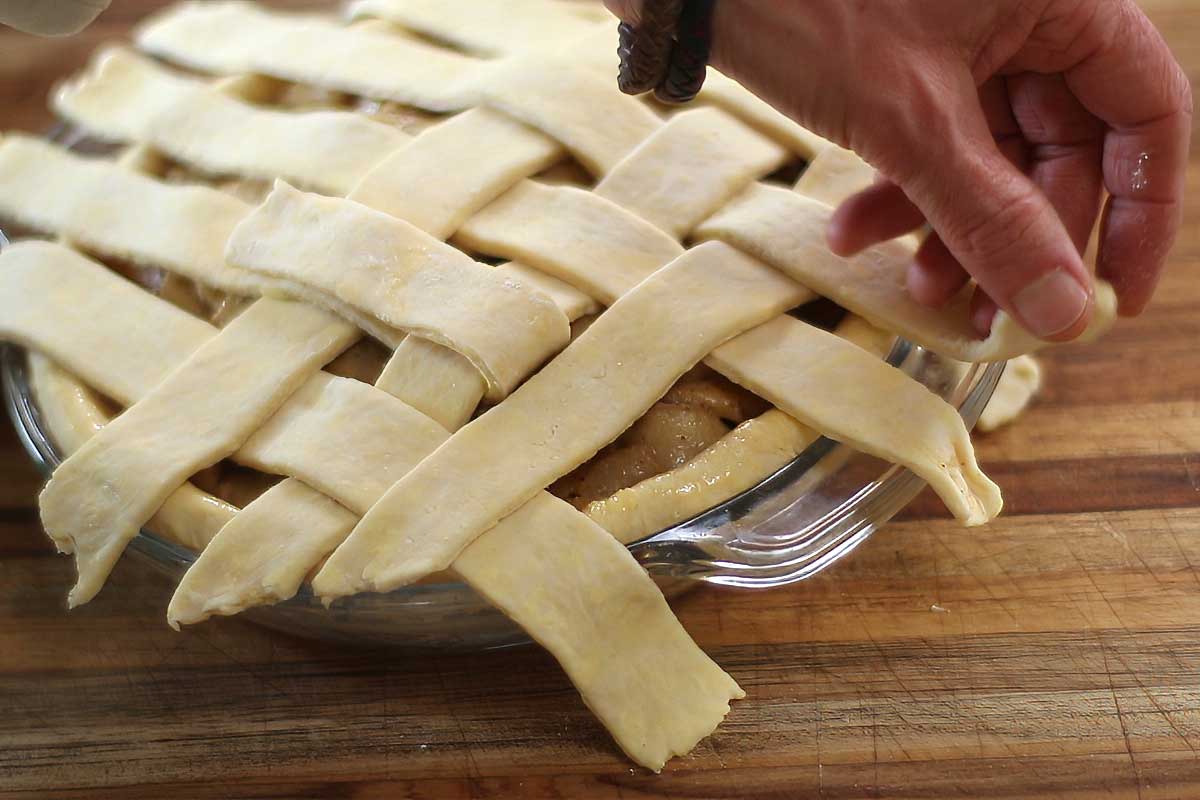
A solid pastry lid traps steam inside the pie as it bakes. That steam softens the crust and makes the filling watery. The lattice allows steam to escape during baking, giving you a firmer filling and a crustier, flakier top that does not go soggy.
It also looks spectacular. That matters too.
The Liquid Trick
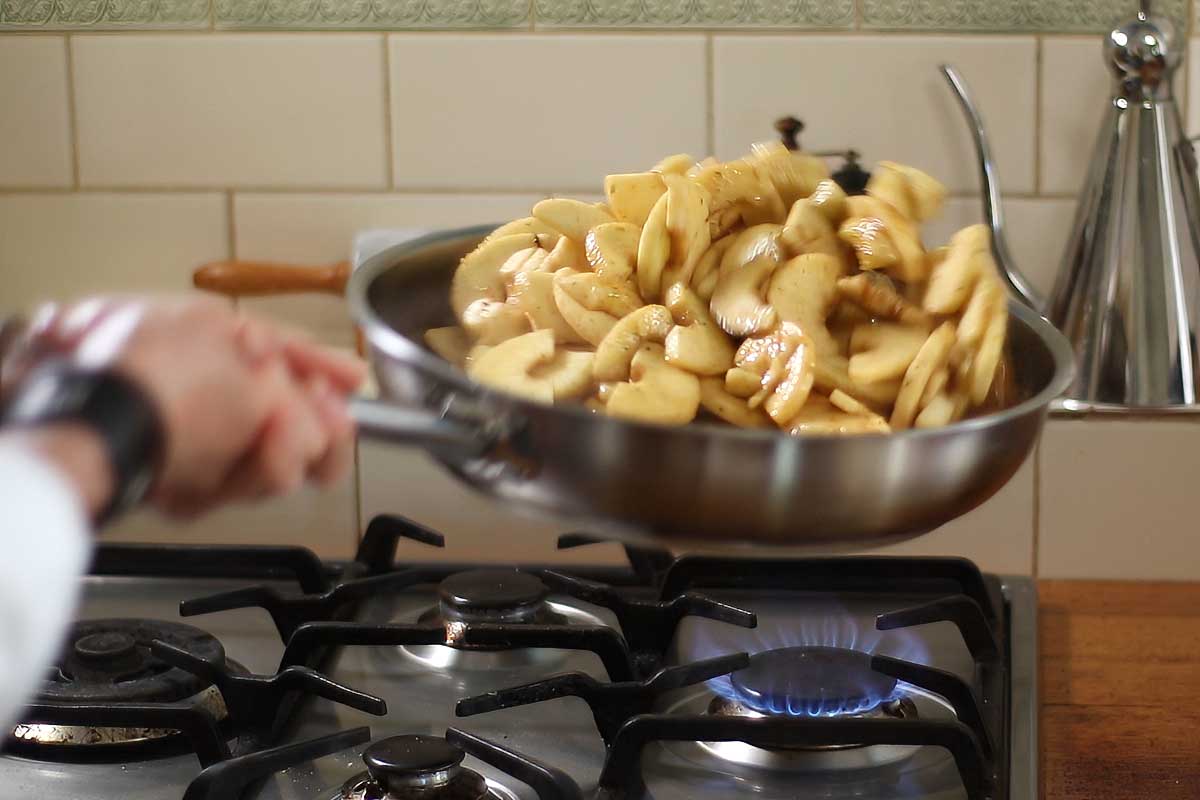
Cooking the apples first and draining the liquid before filling the pie is the step most home bakers skip.
Raw apples release enormous amounts of liquid during baking. That liquid makes the bottom crust soggy and the filling watery. Cooking them first, draining the liquid, then mixing the cornstarch back into that liquid before combining with the apples gives you a glossy, thickened filling that holds its shape when sliced.
This is the difference between a pie that looks like a pie and a pie that collapses into soup when you cut it.
Cooking Tips
Toast the spices in a dry pan before grinding. Thirty seconds on high heat transforms them. You will smell the difference immediately.
Cook the apples in two batches. Overcrowding the pan steams them instead of sautéing them. You want them to cook evenly and retain some firmness.
Drain the apples thoroughly and let them cool before filling the pie. Hot filling will start melting your pastry before it even gets into the oven.
Pack the apples firmly with a slight mound in the centre. They shrink during baking and a flat fill becomes a sunken fill.
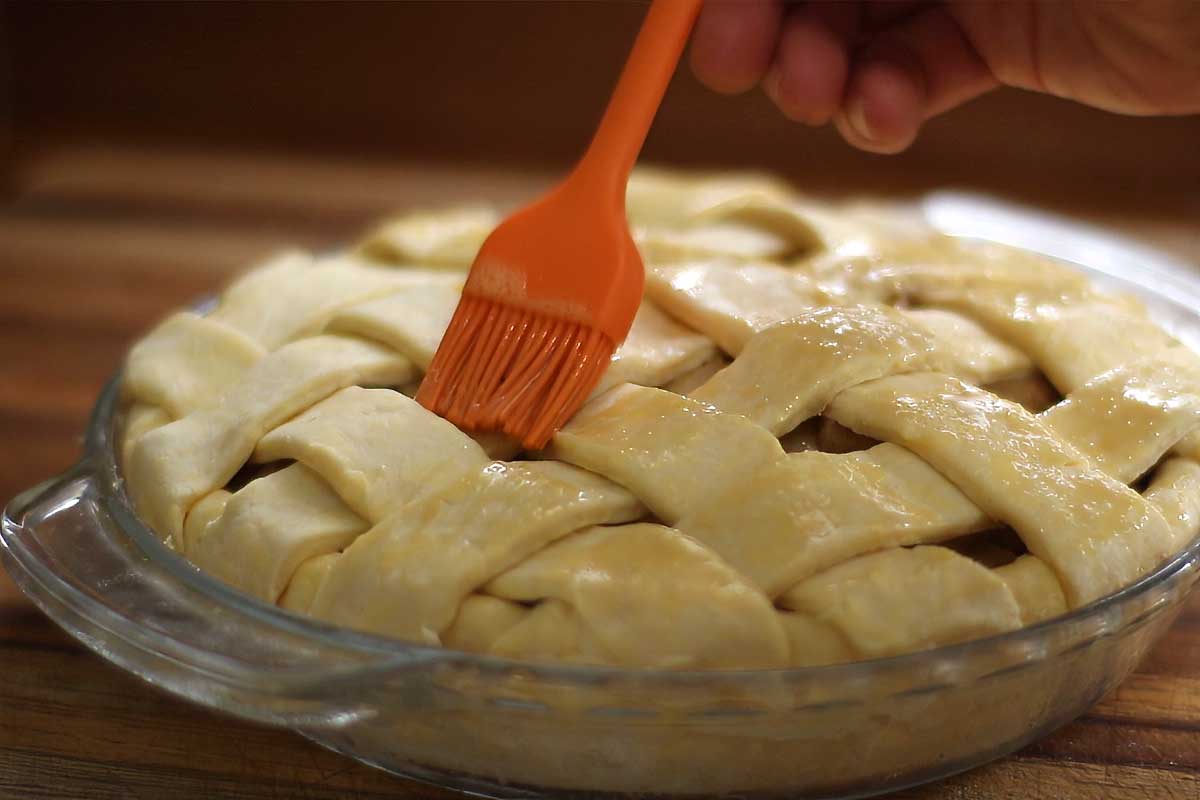
Egg wash the lattice generously for that deep golden colour. Two coats if you want it really glossy.
Let the pie cool before slicing. At least 30 minutes. The filling needs time to set or it will run when cut.
How to Make the Lattice
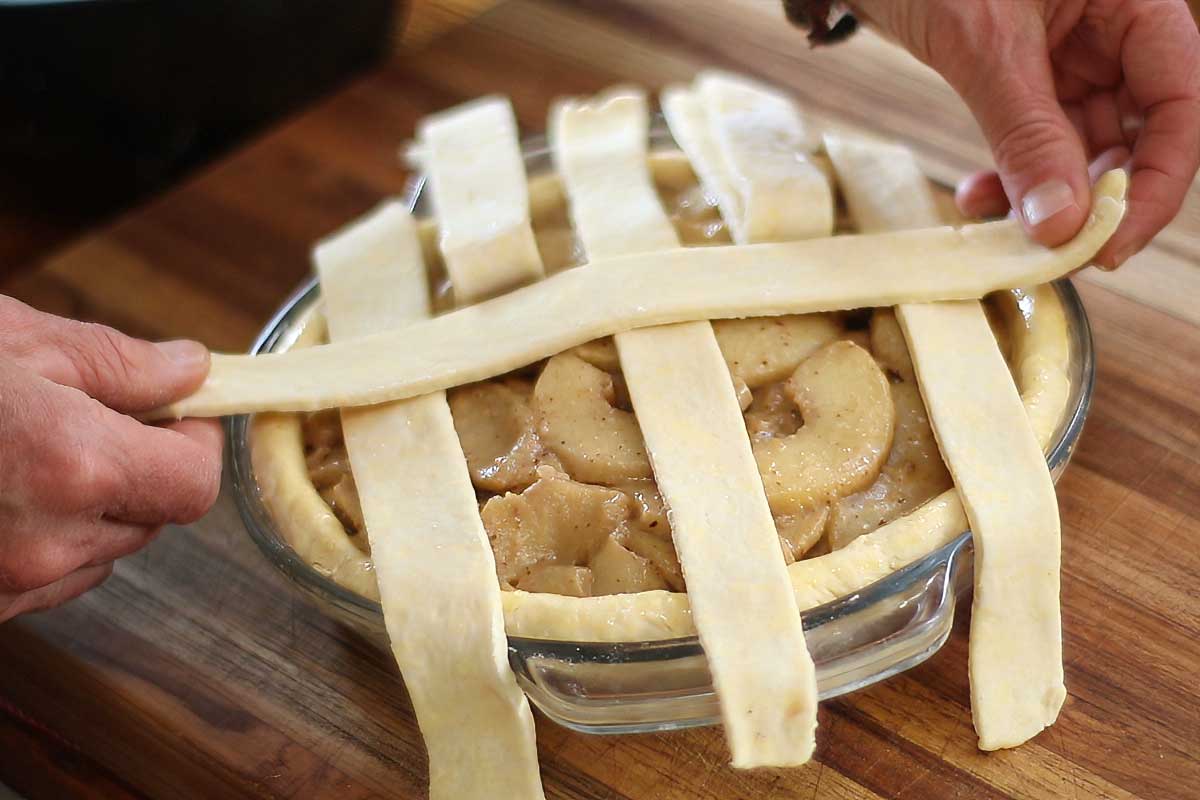
It looks complicated but it is just weaving. Start with the centre strip, add alternating strips on each side, then rotate 90 degrees and weave the perpendicular strips by folding back alternating rows.
Cut the strips about 1 inch wide for a classic look. Thinner strips give a more intricate design if you want to impress. A pizza cutter makes clean straight cuts quickly.
Work quickly once the pastry is rolled. Warm pastry is harder to handle and loses its structure. If it starts getting sticky, pop it back in the fridge for 10 minutes.
Ingredient Swaps
No Jonathan apples? Pink Lady or Fuji apples make a good substitute. Both are sweet and hold up well during cooking.
No star anise? A small pinch of five spice powder gives a similar anise note. Use sparingly.
No cornstarch? Plain flour works as a thickener but use slightly more, about 4 tablespoons instead of 3. The filling will be slightly less glossy but equally delicious.
No brown sugar? White sugar works fine. Brown sugar adds a subtle molasses depth that complements the spices beautifully but is not essential.
Common Mistakes
Skipping the apple pre-cook and drain. This is the single biggest cause of soggy bottom crust and watery filling. Do not skip it.
Not toasting the spices. Pre-ground spices from a jar work but freshly toasted and ground whole spices taste completely different. Worth the extra two minutes.
Filling the pie with hot apples. Always cool the filling first or the pastry will soften before it even starts baking.
Cutting the pie too soon. The filling needs at least 30 minutes to set after coming out of the oven. Cut too early and it runs everywhere.
Rolling the pastry too thin. It needs enough thickness to hold the weight of the filling without tearing or becoming soggy. Aim for about 3mm thickness.
What to Serve With It
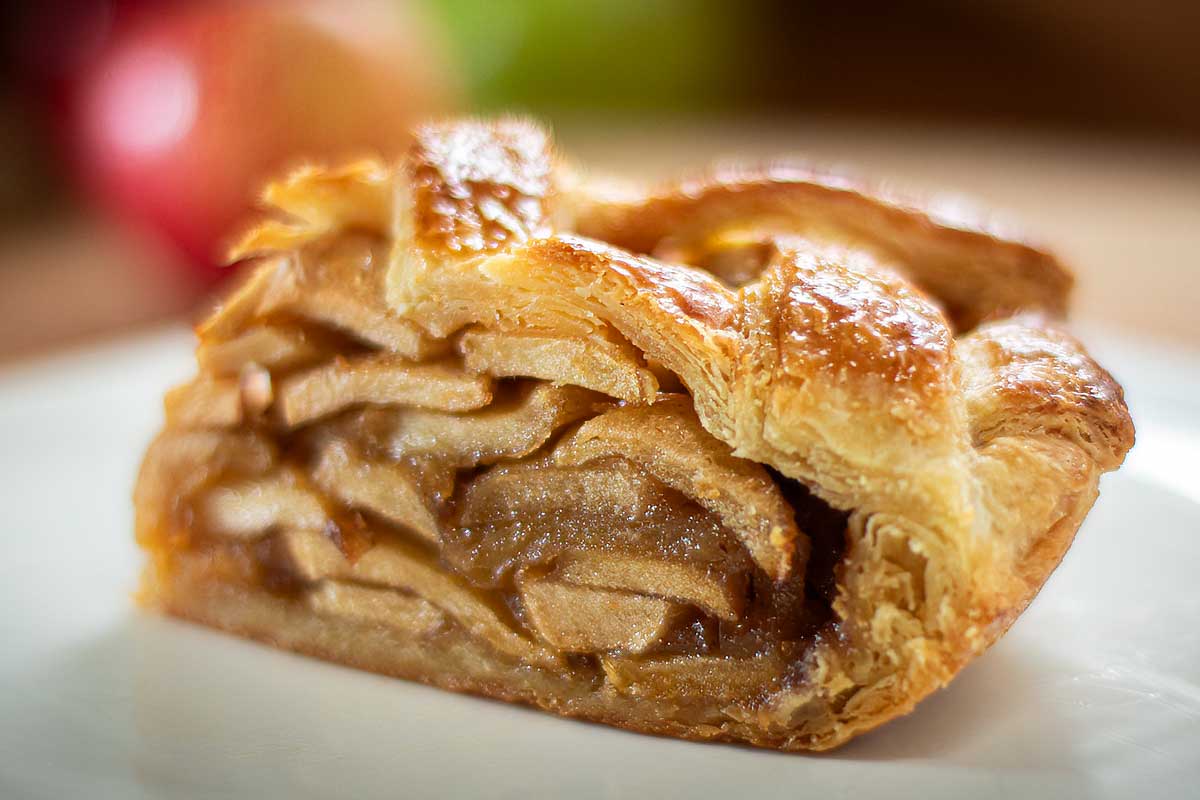
Vanilla ice cream is the classic. The cold melting ice cream against the warm pie is one of the great combinations in dessert.
Pouring cream or double cream for something simpler and equally good.
Warm custard if you want to go full comfort food. Especially good on a cold evening.
Serve warm, not hot. The filling sets properly as it cools and the flavours are more defined at a warm rather than scalding temperature.
Storage and Reheating
Room temperature: Cover loosely and store for up to 2 days. The crust stays crispier at room temperature than in the fridge.
Fridge: Store covered for up to 4 days. The crust will soften slightly but the flavour improves.
Reheating: Warm in the oven at 325°F (160°C) for 15 minutes to refresh the crust. The microwave works but the pastry goes soft.
Freezing: Apple pie freezes well for up to 3 months. Freeze after baking and cooling completely. Reheat from frozen at 350°F (180°C) for 25 to 30 minutes.
FAQs
Can I use store bought pastry?
Yes. A good quality butter puff pastry works well for the top lattice. For the base a shortcrust pastry holds up better under the filling. Homemade is always better but store bought is a perfectly respectable shortcut.
Why is my bottom crust soggy?
Almost always the apple liquid. Make sure you drain the cooked apples thoroughly and mix the cornstarch into the drained liquid before combining everything. That step thickens the filling and prevents excess moisture soaking into the base.
Can I make this ahead?
Yes. Bake the pie the day before and reheat gently before serving. The flavour is actually better on day two once everything has had time to meld together.
Can I add other fruits?
Yes. Pear works beautifully with apple. Quince adds a floral complexity that is worth trying if you can find it. Keep the ratio at least two thirds apple so the character of the pie stays true.
How do I stop the lattice shrinking?
Rest the rolled pastry in the fridge for 15 minutes before cutting the strips. Cold pastry shrinks less during baking than pastry that has been handled and warmed up.
Is this recipe suitable for Thanksgiving?
It is one of the best things you can put on a Thanksgiving table. Make it the day before, reheat gently, and serve with vanilla ice cream. It will be the most talked about dish of the day.
 By
By 


You must be logged in to post a comment