
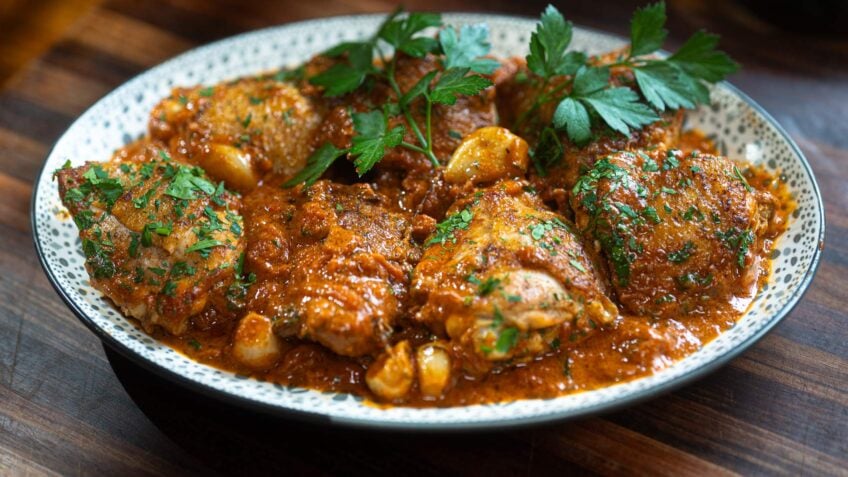
The French Chicken Recipe That Never Needed Fame
Poulet au Vinaigre is the French chicken recipe that never needed fame. Just a hot frying pan, good red wine vinegar, garlic, wine, and time.
This Lyonnaise bistro classic turns sharp vinegar into a deep, glossy sauce that tastes rich, savoury, and strangely gentle. The vinegar screams the moment it hits the pan, then calms down like a French waiter after service.
It sounds fussy but really runs on instinct. And once you taste what vinegar can really do, you will never look at it the same way again.
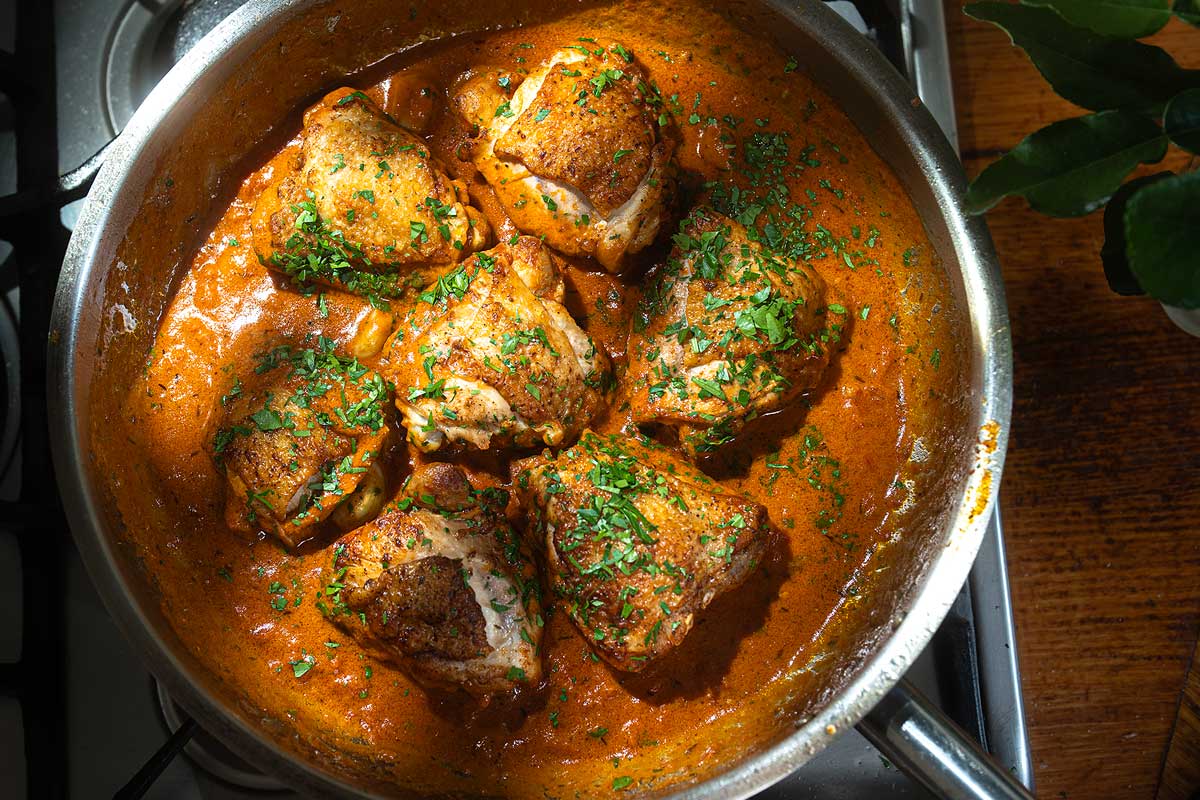
The Chicken Dish Lyon Kept Quiet
Lyon is widely considered the gastronomic capital of France, and Poulet au Vinaigre is one of its most beloved bistro classics.
It came from the bouchons, the small, no-frills neighbourhood restaurants that fed the silk workers and merchants of the city. Cheap ingredients, honest cooking, maximum flavour. That’s the Lyon philosophy.
Red wine vinegar was cheap, widely available and used liberally in Lyonnaise cooking. The technique of reducing it hard into a braise and watching it transform from harsh and acidic into something mellow, rounded and deeply savoury is one of the great small revelations in French cooking.
The dish is also said to have origins with the mères lyonnaises, the working women who ran Lyon’s kitchens for centuries. They had no choice but to use wine that had turned to vinegar, and in doing so discovered something remarkable. The acid in the vinegar tenderised the chicken beautifully, breaking down the fibres and keeping the meat juicy through a long braise.
Today’s chickens are already tender and we don’t need the vinegar for that job anymore. But we kept the technique, and made it fancier. That’s the evolution of honest cooking.
Why Vinegar Becomes Silky When You Cook It
When red wine vinegar hits a hot pan with chicken fat and fond, something genuinely interesting happens.
The harsh acetic acid begins to evaporate, leaving behind the more complex, fruity flavour compounds from the wine it was made from. As it reduces, it picks up the sugars from the tomatoes and the savoury depth from the chicken stock. What started sharp becomes rounded, rich and full of character.
Don’t panic when it first hits the pan. The steam and the sharp smell are the volatiles leaving. What stays behind is the good stuff.
Why This Version Is a Little More Refined
The traditional Poulet au Vinaigre is a rustic braise. This version takes it one step further.
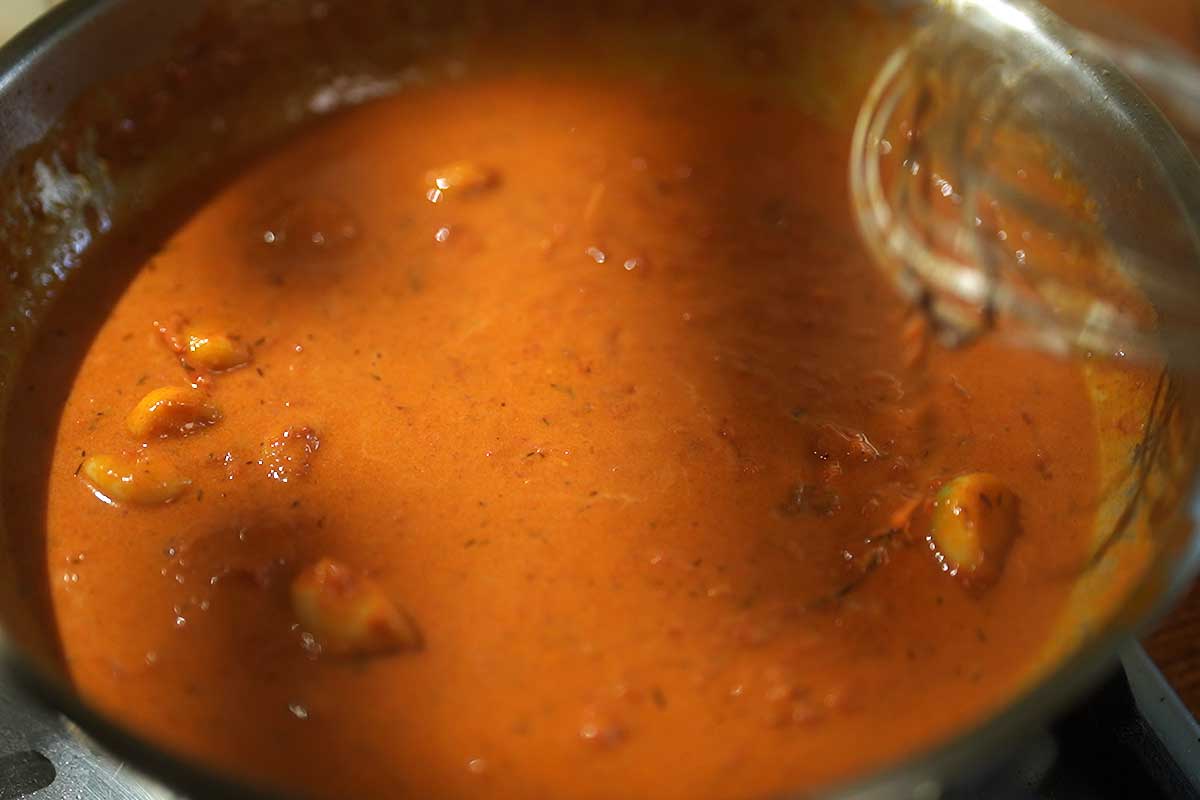
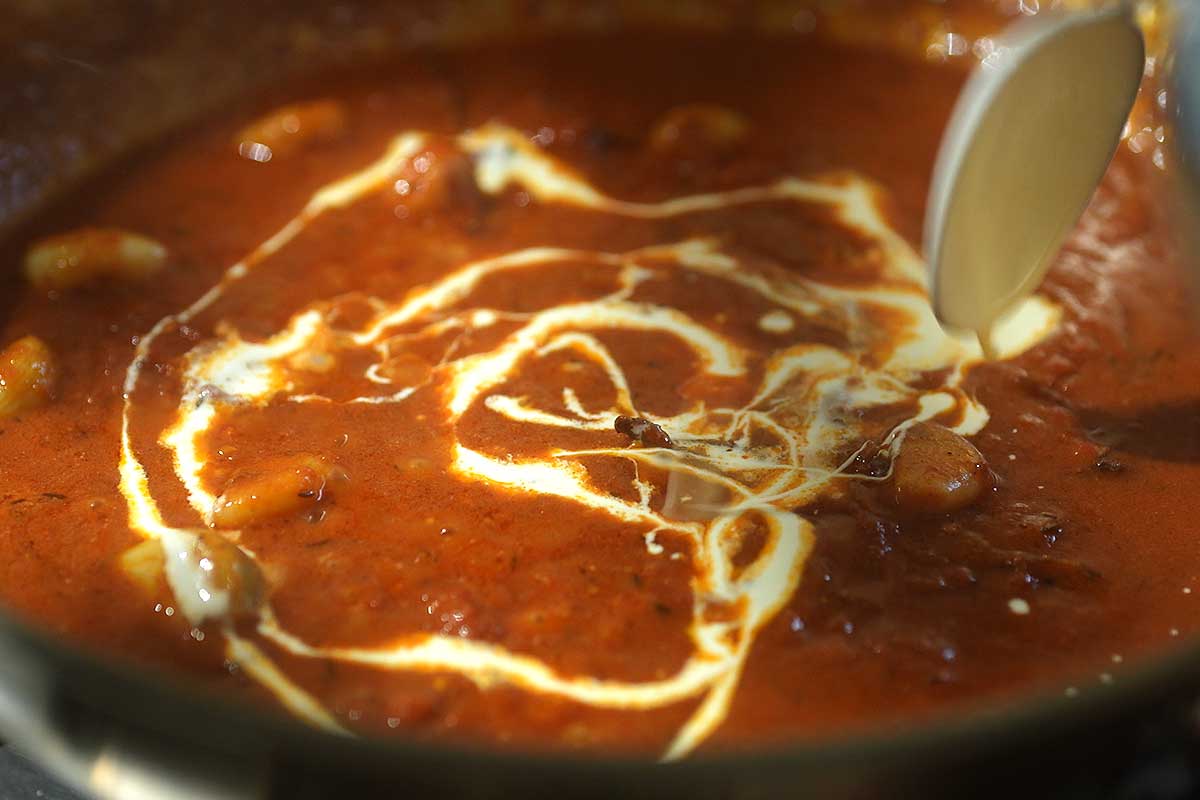
After the chicken is cooked, it comes out and the sauce reduces uncovered until it’s glossy and slightly thickened. Then cold butter goes in, whisked to emulsify, giving it that silky restaurant finish. A small spoon of cream, if you want it, softens the edges further.
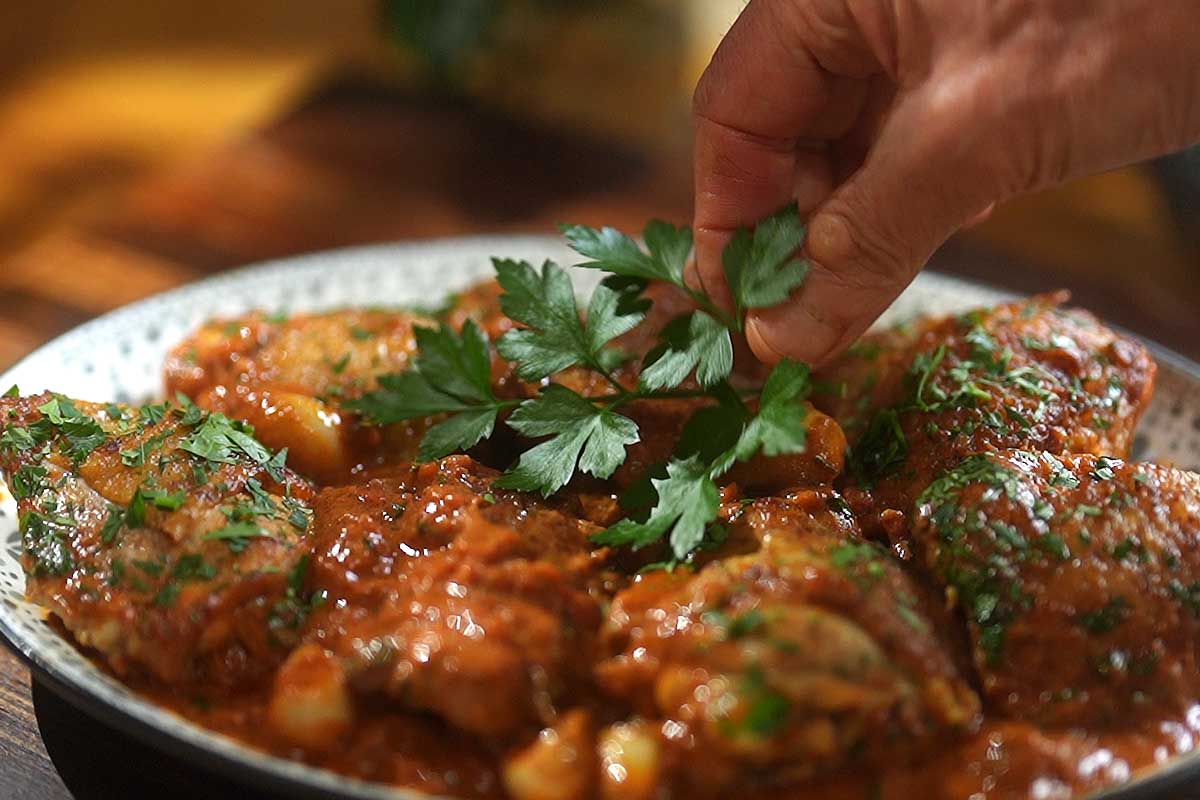
The result is the kind of plate you would happily pay good money for in Lyon. Same honest bistro roots, slightly more polished execution.
Keep the Skin Above the Sauce
This is a small detail with a big payoff.
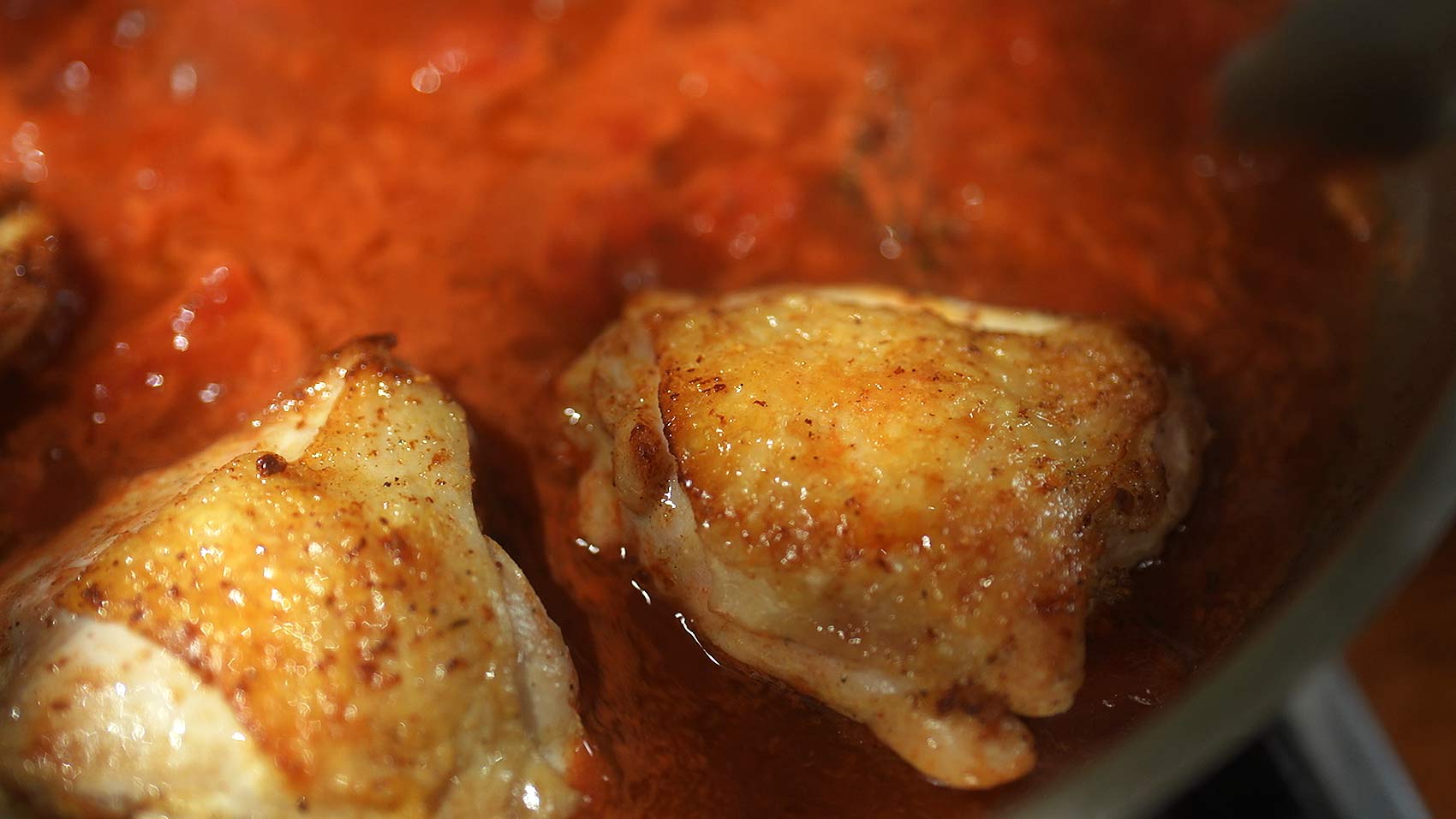
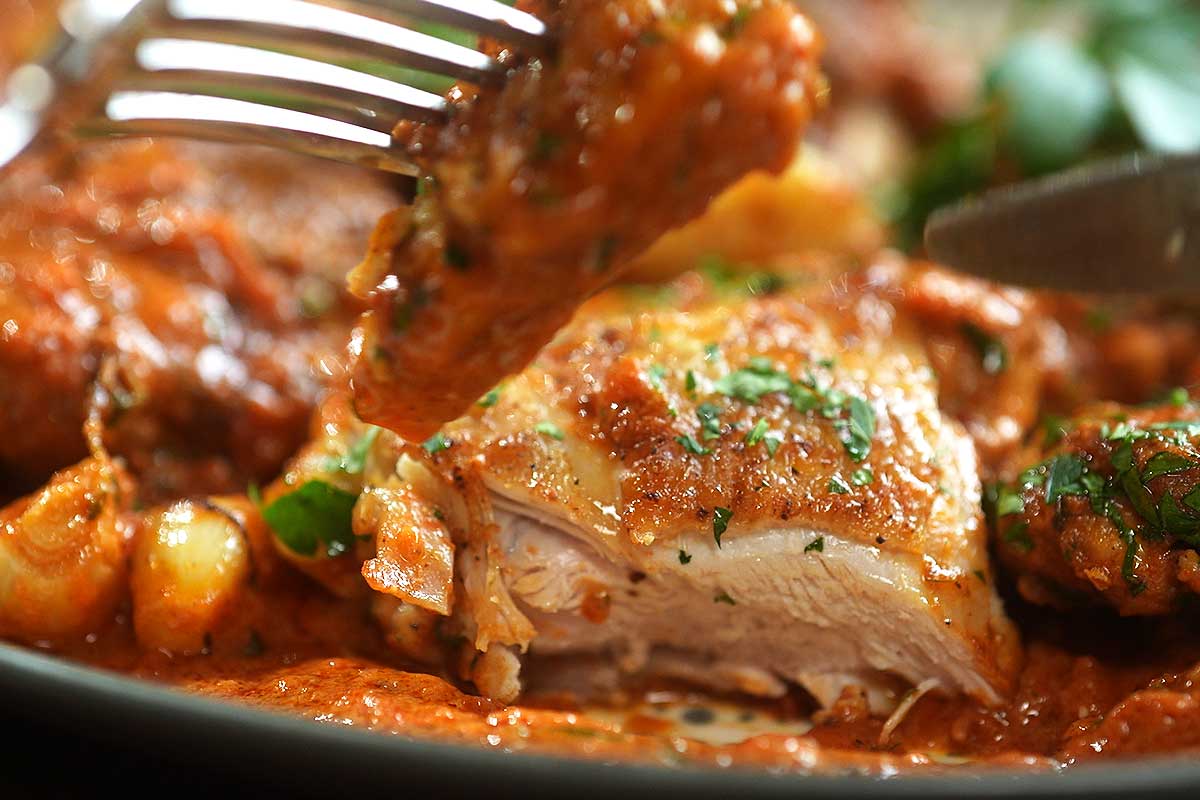
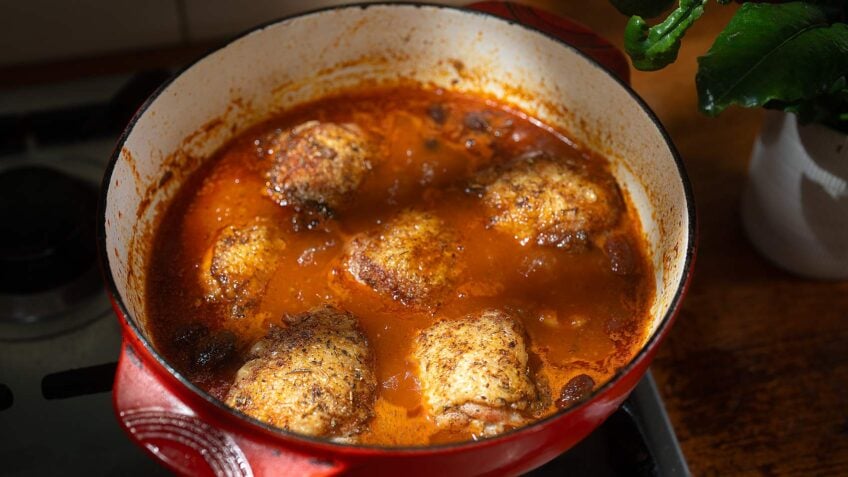
When the chicken returns to the pan after searing, place it skin-side up so the skin sits above the liquid rather than submerging in it. The flesh braises gently in the sauce while the skin stays dry and golden on top.
Skin that simmers in liquid goes soft and unpleasant. Skin that stays above the sauce stays firm. One simple placement decision and the whole dish looks and tastes better.
Cooking Tips
Pat the chicken completely dry before searing. Wet skin steams instead of crisps and you lose the golden colour that gives the sauce its depth.
Use decent red wine vinegar. Not the expensive perfume-bottle stuff but not the harsh cleaning-fluid bargain either. The vinegar is the lead actor in this dish.
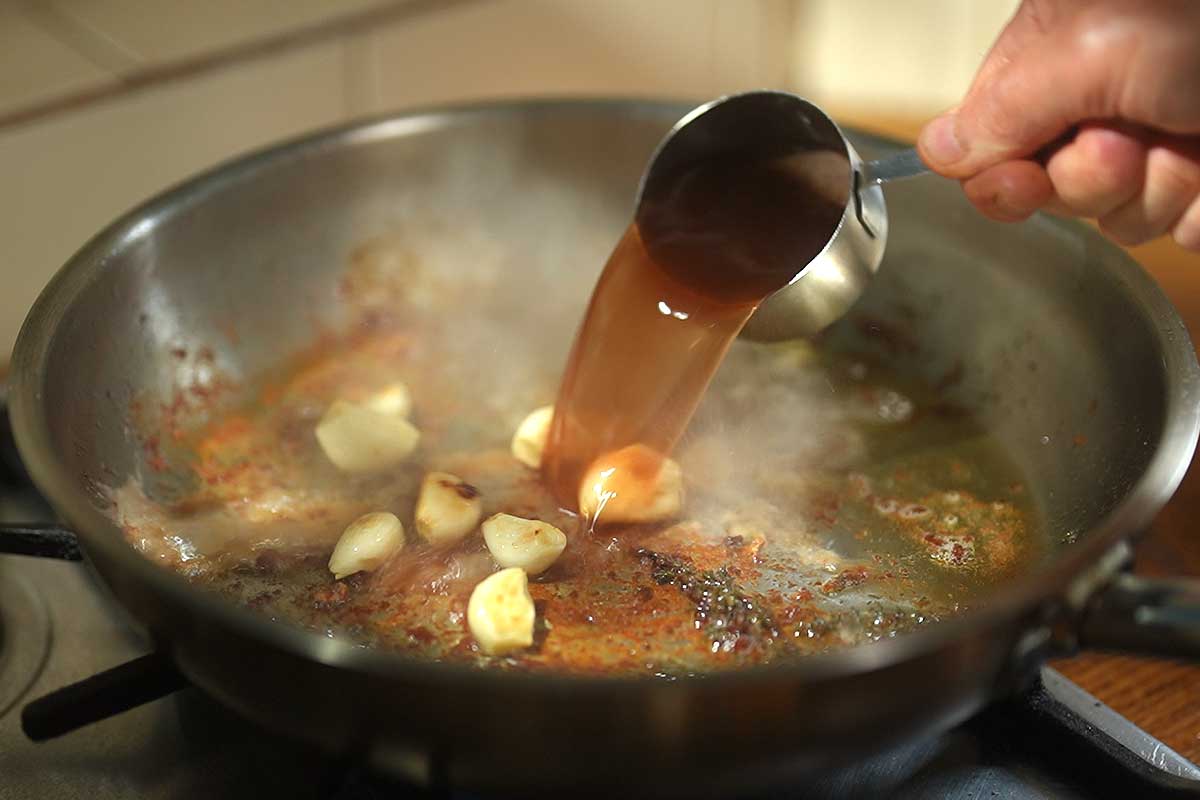
Don’t burn the garlic. After the chicken comes out, the whole garlic cloves go in and only need one to two minutes over gentle heat. Burnt garlic will bully the entire sauce.
Scrape the pan when the vinegar goes in. All that fond stuck to the bottom is concentrated flavour. The vinegar loosens it and it becomes part of the sauce.
Add the cream then cold butter off the heat or over very low heat, whisking constantly. This is what creates the glossy emulsified finish. Hot pan and warm butter gives you greasy sauce.
Taste the sauce before serving and adjust. Every vinegar is different in acidity. If it still tastes sharp, a small pinch of sugar or an extra knob of butter will round it out.
Ingredient Swaps
No red wine vinegar? White wine vinegar works and gives a slightly lighter, less robust sauce. Sherry vinegar is an excellent alternative with more depth and complexity.
No canned whole tomatoes? Crushed tomatoes or passata both work. Fresh ripe tomatoes roughly chopped are wonderful in summer. Whole tomatoes are usually better quality than crushed, so best to crush them yourself.
No Dijon mustard? Leave it out. It’s optional and adds a gentle background sharpness but the sauce is complete without it.
No cream? Skip it entirely. The butter finish alone gives you a beautiful glossy sauce. The cream just softens it slightly for a more bistro-style result.
Chicken pieces instead of thighs? Drumsticks work well at the same timing. Chicken breast is possible but watch it carefully as it dries out much faster in a braise.
Common Mistakes
Panicking when the vinegar smells sharp. That smell is the volatiles burning off. Stay with it, let it reduce, and trust the process.
Submerging the skin in the sauce. Always keep the chicken skin-side up so it stays above the liquid during the braise.
Not reducing the sauce enough at the end. A watery sauce won’t cling to the chicken. Simmer it uncovered until it’s visibly glossier and slightly thicker before finishing with butter.
Adding warm or soft butter to finish. It needs to be cold butter, added off the heat, whisked in quickly. That’s what creates the emulsion.
What to Serve With It
Creamy mashed potato is the classic Lyonnaise choice. The sauce soaks into the mash in the best possible way.
Crusty French bread for mopping the plate clean. The sauce is too good to leave behind.
Buttered egg noodles are a simple, satisfying option that let the sauce shine.
Steamed green beans or wilted spinach on the side keep things balanced without competing with the richness of the sauce.
Storage and Reheating
Fridge: Store covered for up to 3 days. The sauce deepens and mellows further overnight. In fact it’s best the day after.
Reheat gently in a pan over low heat with a small splash of water, wine or stock. The cream and butter in the sauce can separate if reheated too aggressively.
Freezer: The chicken freezes well for up to 2 months. The cream-finished sauce is best made fresh rather than frozen and reheated.
FAQs
Does the dish taste strongly of vinegar?
Not once it’s properly reduced. The harsh acidity cooks off during the reduction and what remains is mellow, rounded and deeply savoury with a gentle fruity edge. If your finished sauce still tastes sharp, it needs more time on the heat or a small knob of extra butter to round it out.
What is a bouchon?
A bouchon is a type of small, traditional restaurant specific to Lyon. They serve simple, hearty Lyonnaise cuisine in an informal setting, the kind of food that fed working people for centuries. Poulet au Vinaigre is one of the most classic bouchon dishes.
Can I make this without the cream?
Absolutely. The traditional version uses only butter to finish the sauce. The cream is a modern addition that softens the edges slightly. Both versions are delicious and both are legitimate.
Why do the garlic cloves stay whole?
Whole garlic cloves cooked gently in fat become sweet and mellow rather than sharp and pungent. They soften into the sauce over the long braise and dissolve partially into it, adding depth without any harsh raw garlic edge. They’re also wonderful to eat alongside the chicken.
Is this recipe gluten free?
Yes, completely gluten free as written. Just check your chicken stock label if you’re being strict, as some commercial stocks contain gluten.
Sharp, Silky, Savoury and Made for Crusty Bread
Poulet au Vinaigre is one of those dishes that rewards patience and rewards trust.
Trust the process when the vinegar smells aggressive. Trust the reduction when the sauce looks thin. Trust the cold butter when it hits the pan.
Every step is doing something. And at the end of it, you have the kind of French bistro chicken that makes you wonder why you ever bothered with anything more complicated.
 By
By 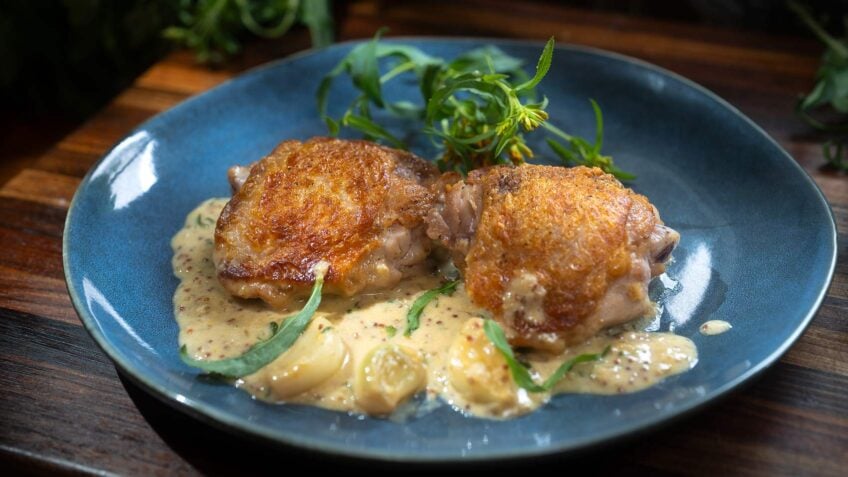
You must be logged in to post a comment